Alstonia (Alstonia) (Alstonia)
Also known as: Devil Tree, Ditabark, Blackboard Tree
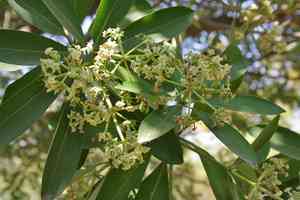
Alstonia species are typically found in the tropical and subtropical zones of Asia, Africa, Central America, and Australia. These plants can range from shrubs to towering trees that can reach heights of up to 60 meters. They are characterized by their simple, leathery leaves and terminal flower clusters. The genus name "Alstonia" honors Charles Alston, an 18th-century Scottish botanist.
In This Article
Attributes of Alstonia (Alstonia)
Lifespan
Perennial
Plant Height
Up to 40 meters
Spread
4 to 6 meters
Leaf Color
Dark green
Flower Size
Small, about 0.5 to 1 cm
Flower Color
White to greenish
Images of Alstonia (Alstonia)
Quickly Identify Alstonia (Alstonia)
1
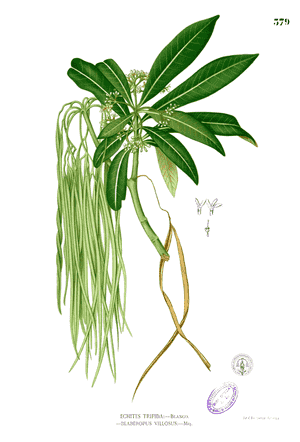
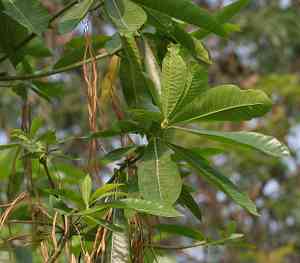
Alstonia can be identified by their milky sap, glossy leaves arranged in whorls, and small, white to greenish flowers clustered in dense inflorescences.
Scientific Classification of Alstonia (Alstonia)
Phylum
Magnoliophyta
Class
Magnoliopsida
Order
Gentianales
Family
Apocynaceae
Genus
Alstonia
Planting and Growing of Alstonia (Alstonia)
Care Difficulty
Moderate
Watering Schedule
Every 2 days
Sunlight Requirements
Full sun
Sunshine Duration
4-8 hours
Ideal Temperature
68-77℉
Soil Type
Potting Mix, Peat Mix
Soil pH
6.5-7.5
Fertilizer Type
Balanced
Pruning Season
Spring, Summer
Pruning Area
Branches, Leaves
Pruning Frequency
2 times a year
Repotting Season
Spring
Pot Type
Ceramic, Plastic
 How to Water Alstonia (Alstonia)?
The watering amount should be sufficient to moisten the soil evenly across the plant's root zone. Aim for around 500 milliliters. Ensure the water reaches the depth of the roots but avoid waterlogging the soil to prevent root rot.
What are the symptoms of an underwatered Alstonia (Alstonia)?
›
What should I do if my Alstonia (Alstonia) is not getting enough water?
›
What are the symptoms of an overwatered Alstonia (Alstonia)?
›
How to save an overwatered Alstonia (Alstonia)?
›
 What Are the Sunlight Requirements for Alstonia (Alstonia)?
Alstonia ideally prefers locations that offer partial to full sun. Providing such conditions maximizes its ability to grow sturdy with vibrant foliage and strong root systems, making it resilient against environmental stresses.
What is the ideal light for Alstonia?
›
How to achieve ideal lighting for Alstonia?
›
Benefits of ideal light exposure for Alstonia
›
 What Is the Ideal Temperature Range for Alstonia (Alstonia)?
Alstonia plants thrive best in temperatures ranging from 68°F to 77°F. These conditions simulate their natural habitat, typically ensuring optimal growth and resistance to diseases. Maintaining this temperature range encourages healthy foliage and robust development throughout various stages of the plant's life cycle.
 What Soil is Best for Alstonia (Alstonia)?
Alstonia prefers soil that allows water to drain efficiently, preventing root rot and waterlogging. Proper drainage ensures the plant's roots receive enough oxygen, which is crucial for healthy growth and overall vitality. This plant benefits from a soil rich in organic matter, providing essential nutrients that promote vigorous growth and robust foliage. Nutrient availability supports the plant's ability to produce flowers and maintain a healthy structure. While Alstonia dislikes soggy conditions, it thrives in soils that retain adequate moisture to support consistent hydration. Balanced moisture levels help maintain leaf turgor and overall plant health.
 How to Fertilize Alstonia (Alstonia)?
For Alstonia, it is generally recommended to apply a moderate amount of fertilizer. A liquid fertilizer can be used at a concentration of one tablespoon per gallon of water. For slow-release pellets, follow the packaging instructions strictly, usually not exceeding 200 grams per tree.
 How to Prune Alstonia (Alstonia)?
Begin by locating any dead or diseased branches, and make cuts at their base. This helps improve airflow and light penetration, which contributes to the overall health of the plant. To promote denser and bushier growth, trim back young branches by cutting just above a healthy node. This encourages the plant to sprout new shoots from the cut point, enhancing its visual appeal. Regularly assess the plant's shape and trim as needed to maintain a rounded appearance. This prevents the plant from becoming too leggy and supports balanced growth.
 How to Propagate Alstonia (Alstonia) plant?
1
Begin by selecting mature, healthy seeds from a reputable source. Ensure they are free of any mold or abnormalities that could affect germination rates.
2
Prepare a well-draining growing medium by mixing equal parts of peat moss and perlite. This creates the ideal conditions for rooting, offering both aeration and moisture retention.
3
Sow the seeds evenly across the prepared medium and lightly cover them. Ensure the soil remains consistently moist but not waterlogged to encourage successful germination.
 How to Repot Alstonia (Alstonia) plant?
1
It's important to observe your Alstonia for signs that it needs repotting. Look for roots growing through the drainage holes or when growth becomes stunted, indicating restricted root space. These are signs it's time to find a larger pot, ideally early in its growth season.
2
Choose a pot slightly larger than the current one, ensuring it has drainage holes. This provides enough space for root expansion and ensures proper drainage, preventing water logging. A heavy pot can also help anchor the tree, preventing tipping.
3
Opt for a well-draining mix, ideally with a blend of garden soil, peat, and perlite. This composition allows proper aeration and moisture retention, mimicking its natural habitat, thus enhancing growth and reducing the risk of root rot.
Toxicity
Ingestion, Skin Contact
WARNING
The judgment on toxicity and danger is for reference only. We DO NOT GUARANTEE any accuracy of such judgment. Therefore, you SHALL NOT rely on such judgment. It is IMPORTANT TO SEEK PROFESSIONAL ADVICE in advance when necessary.
Learn More About Alstonia (Alstonia) Diseases
Anthracnose
Bacterial Leaf Spot
Bacterial Soft Rot
Bacterial Wilt
Black Spot
Chemical Injury
Crown Gall
Damping-off
Downy Mildew
Drought Stress
Fusarium Wilt
Gray Mold
Leaf Curl
Leaf Spot
Mosaic
Nutrient Deficiency
Nutrient Toxicity
Powdery Mildew
Root Rot
Root-knot Nematode
Rusts
Sooty Mold
Spider Mites
Temperature Stress
Thrips Damage
White Mold

