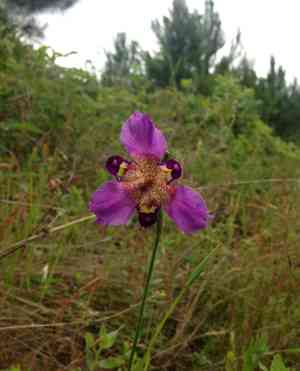
Propeller flower (Alophia drummondii)
Also known as: Purple pleatleaf
The Propeller flower (Alophia drummondii), also known as Pinewoods lily or Prairie iris, is a perennial bulb native to the southern United States and Mexico, with disjunct populations in Bolivia and Guyana. This plant blooms in the spring and thrives in sandy or loamy soils, often found in prairie, grassland, and open woodland habitats. It prefers environments where it can receive partial shade from surrounding trees.
In This Article
Attributes of Propeller flower
Lifespan
Perennial
Plant Type
Herb
Plant Height
30 cm to 61 cm
Spread
20 cm to 25 cm
Leaf Color
Green
Flower Size
4-6 cm
Flower Color
Purple Yellow Brown
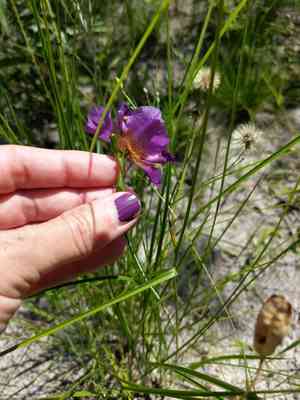
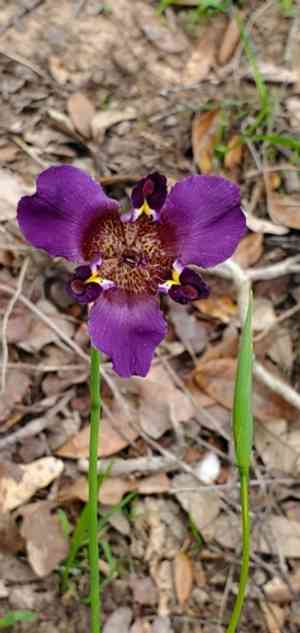
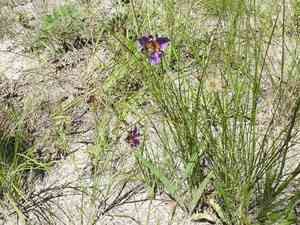
Images of Propeller flower
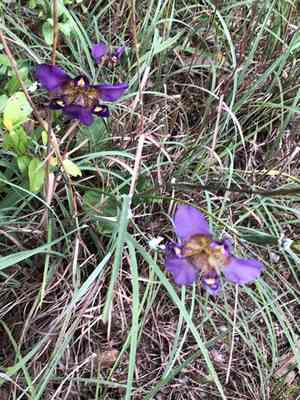
Quickly Identify Propeller flower
1
This plant can be identified by its unique propeller-like flowers with three blue-violet petals and striking darker streaks. The foliage is grass-like, narrow, and upright.
Scientific Classification of Propeller flower
Phylum
Vascular plants
Class
Monocotyledons
Order
Asparagales
Family
Iris
Genus
Alophia
Species
Propeller flower
Planting and Growing of Propeller flower
Care Difficulty
Easy
Watering Schedule
Every 4 days
Sunlight Requirements
Full sun
Sunshine Duration
4-6 hours
Ideal Temperature
70-85℉
Soil Type
Potting Mix, Peat Mix
Soil pH
6.5-7.5
Fertilizer Type
Balanced
Pruning Season
Spring, Summer
Pruning Area
Branches, Leaves
Pruning Frequency
2 times a year
Repotting Season
Spring
Pot Type
Plastic, Ceramic
 How to Water Propeller flower?
For Alophia drummondii, ensure the soil is moistened but not waterlogged. Approximately 250 ml should suffice per watering session, depending on the pot size. It's ideal to allow the top inch of soil to dry out before watering again, ensuring proper aeration and preventing root rot.
What are the symptoms of an underwatered Propeller flower?
›
What should I do if my Propeller flower is not getting enough water?
›
What are the symptoms of an overwatered Propeller flower?
›
How to save an overwatered Propeller flower?
›
 What Are the Sunlight Requirements for Propeller flower?
For Alophia drummondii, the ideal light range is full sun to partial sun, which results in lush growth and prolific flowering. Adequate sunlight supports strong photosynthesis and vibrant plant health.
More About Sunlight Requirements Techniques→
How much sunlight is best for Alophia drummondii?
›
What’s the solution if my plant is not receiving enough light?
›
What benefits do ideal light conditions offer Alophia drummondii?
›
 What Is the Ideal Temperature Range for Propeller flower?
Alophia drummondii thrives best in temperatures ranging from 70°F to 85°F. This range supports active growth and healthy flowering, replicating its native warm environment.
 What Soil is Best for Propeller flower?
Alophia drummondii thrives in well-drained soil that prevents water from pooling around its roots, reducing the risk of root rot and promoting healthier growth. The plant benefits from a nutrient-rich soil that provides essential minerals, supporting robust growth and vibrant blooms, which enhances its ornamental appeal. Ensuring that the soil maintains a consistent moisture level helps to sustain the plant's hydration needs without causing water stress, leading to more resilient and lush foliage.
 How to Fertilize Propeller flower?
For Alophia drummondii, it's important to ensure you are providing the right amount of nutrients. A balanced liquid fertilizer diluted to half strength is generally sufficient. Apply around 50-100 ml of this solution per plant to avoid overwhelming the roots.
 How to Prune Propeller flower?
Begin by closely inspecting your Alophia drummondii. Look for any dead or damaged leaves and stems that need removal. This helps focus the plant's energy on healthy growth and prevents the spread of disease. Using sharp pruning shears, carefully trim the plant to sculpt its desired shape. Aim to maintain its natural form while removing any leggy or overly extended growth, thereby encouraging a more compact and attractive appearance. When pruning, consider opening up the center of the plant to enhance air circulation. This helps reduce the risk of fungal infections and ensures even light distribution across the foliage, ultimately enhancing the plant's health.
More About Pruning Techniques→
 How to Propagate Propeller flower plant?
1
Choose healthy and mature seeds from existing plants. Inspect seeds for any signs of damage or disease before planting.
2
Fill seed trays with potting soil and water it lightly. Make sure not to oversaturate the soil, which can inhibit seed germination.
3
Plant the seeds at a depth of about 1/4 inch in the trays. Space them evenly to prevent overcrowding, which can impede growth.
 How to Repot Propeller flower plant?
1
Alophia drummondii should be repotted when roots start circling the pot's base or poke through drainage holes. This often occurs during active growth phases, a clear signal the plant is ready for new space.
2
Select a pot slightly larger than the previous one, ensuring it has ample drainage holes. A well-fitted new home prevents water stagnation and provides space for root expansion, crucial for this species' health.
3
Opt for sandy loam mixed with perlite to ensure excellent drainage. This prevents root rot while maintaining the right moisture levels, enhancing growth and preventing nutrient lock in Alophia drummondii.
Learn More About Propeller flower Diseases
Anthracnose
Bacterial Leaf Spot
Bacterial Soft Rot
Bacterial Wilt
Black Spot
Chemical Injury
Crown Gall
Cyst Nematode
Damping-off
Downy Mildew
Drought Stress
Fusarium Wilt
Gray Mold
Leaf Curl
Leaf Spot
Mosaic
Nutrient Deficiency
Nutrient Toxicity
Powdery Mildew
Root Rot
Root-knot Nematode
Rusts
Sooty Mold
Spider Mites
Temperature Stress
Thrips Damage
White Mold



