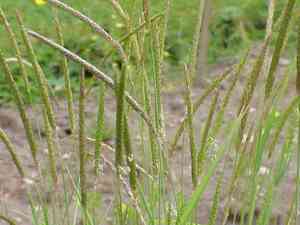
foxtail grass (Alopecurus) (Alopecurus)
Also known as: Foxtail, Water foxtail
Foxtail grasses flourish in warm, temperate regions and are often found in disturbed soils. They can form dense patches, making them common in open fields and meadows. Some varieties are grown for ornamental purposes, while others serve as forage for wildlife. Their flower spikes, which turn into seeds, aid in their widespread distribution.
In This Article
Attributes of foxtail grass (Alopecurus)
Lifespan
Perennial, Annual
Plant Height
Typically between 30 to 100 cm
Spread
Not applicable as it is a grass and does not form a crown
Leaf Color
Green
Flower Size
1 to 2 cm
Flower Color
Primarily green, sometimes with purplish or reddish tints
Images of foxtail grass (Alopecurus)
Quickly Identify foxtail grass (Alopecurus)
1
Alopecurus can be identified by its cylindrical, spike-like flower heads that resemble a fox\'s tail. The stems are generally erect, and the plants grow in dense tufts. The leaves are long and narrow, and the flowers are usually clustered tightly together.
Scientific Classification of foxtail grass (Alopecurus)
Phylum
Magnoliophyta
Class
Liliopsida
Order
Poales
Family
Poaceae
Genus
Alopecurus
Planting and Growing of foxtail grass (Alopecurus)
Care Difficulty
Moderate
Watering Schedule
Every 2 days
Sunlight Requirements
Full sun
Sunshine Duration
6-10 hours
Ideal Temperature
55-75℉
Soil Type
Potting Mix, Peat Mix
Soil pH
6-7.5
Fertilizer Type
Balanced
Pruning Season
Spring, Summer
Pruning Area
Branches, Leaves
Pruning Frequency
2 times a year
Repotting Season
Spring
Pot Type
Plastic, Terracotta
 How to Water foxtail grass (Alopecurus)?
For the Alopecurus, watering should ensure soil moisture is evenly distributed. Water until it feels consistently moist but not waterlogged, allowing excess to drain to prevent root rot.
What are the symptoms of an underwatered foxtail grass (Alopecurus)?
›
What should I do if my foxtail grass (Alopecurus) is not getting enough water?
›
What are the symptoms of an overwatered foxtail grass (Alopecurus)?
›
How to save an overwatered foxtail grass (Alopecurus)?
›
 What Are the Sunlight Requirements for foxtail grass (Alopecurus)?
Alopecurus prefers conditions with full sun to partial sun. These light conditions ensure the plant maintains vibrant foliage and robust growth, contributing to its overall resilience and aesthetic presence.
What is the ideal lighting condition for Alopecurus?
›
How can I ensure ideal lighting conditions for Alopecurus?
›
What benefits does Alopecurus experience with ideal lighting?
›
 What Is the Ideal Temperature Range for foxtail grass (Alopecurus)?
Alopecurus thrives best within a temperature range of 55 to 75°F. This range supports optimal metabolic and physiological functions, ensuring robust growth and healthy foliage. Maintaining this temperature helps prevent stress-related conditions that could afflict the plant.
 What Soil is Best for foxtail grass (Alopecurus)?
Alopecurus thrives in soils that can retain moisture without becoming waterlogged. This helps maintain adequate hydration, supporting healthy root development and lush foliage. Rich, fertile soil is key for Alopecurus. It ensures the plant receives essential nutrients required for robust growth, vibrant color, and resilience against pests. Even though Alopecurus needs moisture, well-draining soil prevents root rot and other waterlogged-associated issues, promoting healthier plant longevity.
 How to Fertilize foxtail grass (Alopecurus)?
Alopecurus requires a moderate amount of fertilizer to thrive. Use approximately 1 teaspoon per gallon of water for liquid fertilizer applications, making sure the fertilizer is evenly distributed. When using slow-release fertilizers, apply roughly 3 pounds per 1000 square feet, ensuring it is well spread over the soil surface.
 How to Prune foxtail grass (Alopecurus)?
Begin with a pair of sharp, clean pruning shears to avoid damaging the plant. Identify overly grown or dead parts that need trimming. Start by cutting back any old or dead shoots to their base to promote new growth. Trim back to a point just above a node or a healthy bud. Ensure the cuts are clean and made at a slight angle to promote optimal healing and drainage. Remove any discolored or damaged foliage to improve aeration and sunlight penetration.
 How to Propagate foxtail grass (Alopecurus) plant?
1
Fill a seed tray with a light, well-draining compost mix. This will provide the ideal environment for seed germination, ensuring they have access to necessary nutrients while preventing water retention.
2
Scatter Alopecurus seeds evenly across the surface of the compost. Cover them lightly with additional compost or perlite. This practice helps maintain moisture while allowing sunlight to reach the seeds, both necessary for germination.
3
Carefully dig up an established Alopecurus clump in early spring. Use your spade to divide the clump into smaller sections, ensuring each has adequate roots and shoots for independent growth.
 How to Repot foxtail grass (Alopecurus) plant?
1
You should consider repotting Alopecurus when you notice roots growing out of the drainage holes. Another sign is the plant becoming top-heavy and tipping over, indicating insufficient space for roots to anchor. Additionally, if the growth rate declines significantly or the soil appears compacted and depleted of nutrients, it's time to repot.
2
Choose a pot that is one size larger than the current one. A pot with good drainage holes is essential to avoid waterlogging and root rot. The new pot should be stable enough to support the growth of Alopecurus without tipping over. Using a lightweight yet durable material helps in easy movement and ensures long-term use.
3
Opt for a loamy soil mix enriched with peat, which provides excellent drainage and moisture retention. This combination allows the Alopecurus to flourish by simulating natural habitats, offering a balanced mix of air and moisture that is crucial for healthy root development.
Toxicity
Ingestion of large amounts
WARNING
The judgment on toxicity and danger is for reference only. We DO NOT GUARANTEE any accuracy of such judgment. Therefore, you SHALL NOT rely on such judgment. It is IMPORTANT TO SEEK PROFESSIONAL ADVICE in advance when necessary.

