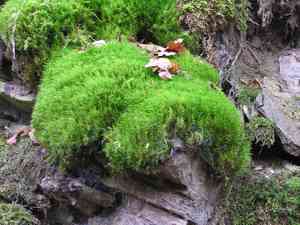
Aloina moss (Aloina aloides)
Also known as: Common aloe-moss
Aloina moss forms small, cushion-like clusters and is well-suited to open, dry environments. In the summer, its green to yellow-green tufts change to a bronze hue. The moss has narrow leaves that curl inward when dry, aiding in moisture retention. It also features short, upright capsules on thin stalks that release spores, allowing it to thrive in arid conditions.
In This Article
Attributes of Aloina moss
Lifespan
Perennial
Plant Height
1-2 cm
Spread
暂无
Leaf Color
Green
Flower Size
暂无
Flower Color
暂无
Images of Aloina moss
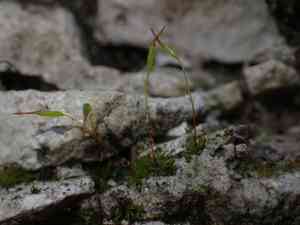
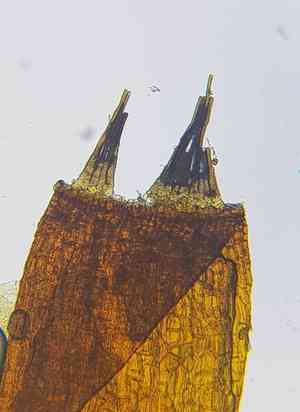
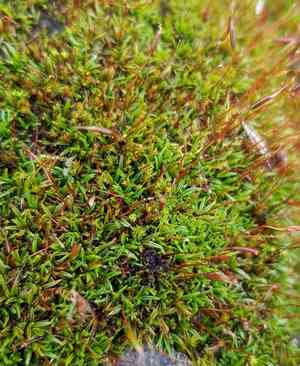
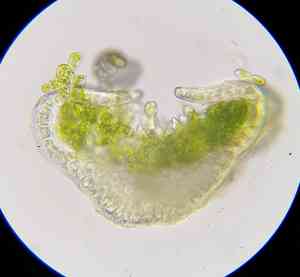
Quickly Identify Aloina moss
1
This species can be identified by its small, cushion-like appearance, with pointed leaves that resemble those of aloe plants. It typically forms dense, green mats on soil or rock surfaces.
Scientific Classification of Aloina moss
Phylum
Bryophyta
Class
Bryopsida
Order
Pottiales
Family
Pottiaceae
Genus
Aloina
Planting and Growing of Aloina moss
Care Difficulty
Moderate
Watering Schedule
Every 2 days
Sunlight Requirements
Partial sun
Sunshine Duration
6-8 hours
Ideal Temperature
65-75℉
Soil Type
Potting Mix, Peat Mix
Soil pH
6.5-7.5
Fertilizer Type
Balanced
Pruning Season
Spring, Summer
Pruning Area
Branches, Leaves
Pruning Frequency
2 times a year
Repotting Season
Spring
Pot Type
Plastic, Ceramic
 How to Water Aloina moss?
For Aloina aloides, the ideal watering amount is about 30 milliliters per session. The key is to ensure the soil is moist but never waterlogged. The principle is to mimic spring rain conditions in its natural habitat, keeping the substrate slightly damp yet allowing for sufficient air circulation around the roots.
What are the symptoms of an underwatered Aloina moss?
›
What should I do if my Aloina moss is not getting enough water?
›
What are the symptoms of an overwatered Aloina moss?
›
How to save an overwatered Aloina moss?
›
 What Are the Sunlight Requirements for Aloina moss?
Aloina aloides thrives in partial sun conditions, which provide a harmonious balance for growth. This light range supports optimal photosynthetic activity, fostering lush foliage and strong cellular processes.
What is the best position?
›
How to achieve optimal light?
›
Benefits of ideal light?
›
 What Is the Ideal Temperature Range for Aloina moss?
The ideal temperature range for growing Aloina aloides is between 65°F to 75°F. This range ensures optimal growth by providing warmth that is neither too cool nor too hot. Maintaining this temperature stabilizes plant metabolic processes and aids in its robust development.
 What Soil is Best for Aloina moss?
Aloina aloides thrives in soils with excellent drainage to prevent root rot. Well-drained soil allows water to flow through, providing the roots with ample air while maintaining necessary moisture levels. The soil should be moderately rich in nutrients to support healthy growth. A balanced soil is essential for supplying the plant with necessary minerals that promote vibrant foliage and robust plant health. Soil that is well-aerated ensures that Aloina aloides' roots receive sufficient oxygen. This condition is vital for maintaining strong root systems and preventing potential issues caused by compacted soils.
 How to Fertilize Aloina moss?
Aloina aloides generally requires minimal fertilization. When providing nutrients, it's crucial to use a diluted fertilizer solution. Typically, mixing a balanced liquid fertilizer at one-quarter strength is appropriate, ensuring it supports the plant without overwhelming it. For slow-release fertilizers, use half the recommended amount on the label to avoid any potential accumulation of nutrients in the soil.
 How to Prune Aloina moss?
Begin by identifying the old and withered leaves, which are typically brown or yellow. Using a pair of sharp, clean scissors or pruning shears, gently trim these leaves near the base. Ensure not to cut into healthy tissue to avoid damage. Carefully remove any excess growth that seems to be crowding the plant, which will help enhance light penetration and overall appearance.
More About Pruning Techniques→
 How to Propagate Aloina moss plant?
1
Before sowing, prepare Aloina aloides seeds by soaking them overnight in lukewarm water. This process helps to soften the seed coat and promote quicker germination.
2
Scatter the seeds evenly across the surface of a moist seed tray. Cover them lightly with a thin layer of fine sand or vermiculite, which helps retain moisture while allowing light penetration.
3
Carefully lift the mature Aloina aloides plant from its container. Use a sharp knife or spade to separate the root clumps into smaller sections. Replant each division into individual pots or directly into the garden bed.
 How to Repot Aloina moss plant?
1
Repotting Aloina aloides is done proactively when you notice restricted growth or roots beginning to emerge from drainage holes. The most suitable time is during active growth phases in warmer seasons, indicating strong root activity and reduced transplant shock.
2
Opt for a pot that is only slightly larger than the current one, ensuring it has adequate drainage holes. This prevents waterlogging and supports the plant's preference for a dry environment, reducing the risk of root rot.
3
Select a soil mix that closely resembles its natural habitat: a sandy and well-draining substrate. This not only mimics its native growing conditions but also ensures water passes through quickly, preventing root rot and maintaining health.


