Aloe (Aloe)(Aloe)

Aloe (Aloe) (Aloe)

Also known as: Aloe vera, Aloe barbadensis, Cape Aloe

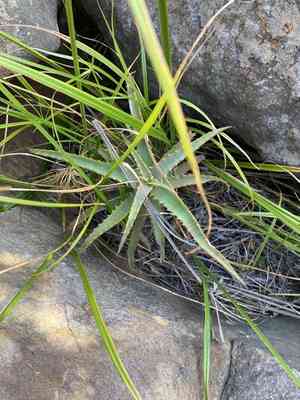
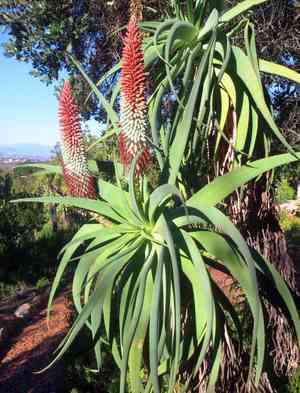
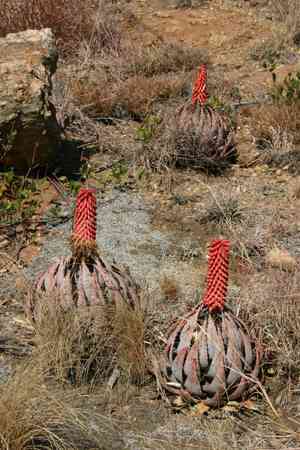
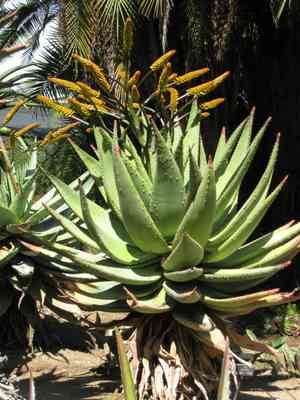
Aloe is a diverse genus of succulent plants noted for their wide array of forms. Typically, these plants feature a basal rosette of fleshy leaves, often without a visible stem, and thrive in warm, arid environments. Many species are cultivated for their striking, spiny-edged leaves and vibrant flower spikes.

Distinctive Characteristics:
1. **Succulent Leaves**: Known for their thick, water-storing leaves.
2. **Rosette Growth**: Leaves usually form at the base in a rosette pattern.
3. **Toothed Margins**: Leaves often have serrated or spiky edges.
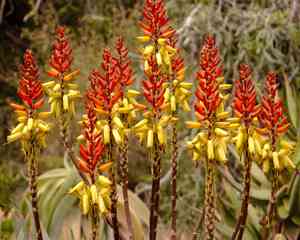
4. **Flower Spikes**: Produce colorful, tubular flowers on tall inflorescences.

Primary Uses:
1. **Medicinal**: Aloe vera gel is widely used for its healing properties on burns and skin irritations.
2. **Cosmetic**: Frequently included in skincare products for its hydrating and soothing effects.
3. **Ornamental**: Popular as decorative plants due to their unique and attractive foliage.
4. **Health Supplements**: Aloe extracts are used in supplements for potential health benefits.

Aloe plants are prized for their functional uses as well as their ornamental value.

Attributes of Aloe (Aloe)

Lifespan
Perennial
Plant Height
1 m
Spread
1 m
Leaf Color
Green, sometimes with white spots
Flower Size
1-2 cm
Flower Color
Yellow, orange, red

ForwardPlant - Identify plants with a snap

Identify and diagnose plants, get toxicity alerts, and explore safety guides for all types of fungi.

Try for Free

Images of Aloe (Aloe)

Aloe (Aloe)(Aloe)
Aloe (Aloe)(Aloe)
Aloe (Aloe)(Aloe)
Aloe (Aloe)(Aloe)

Quickly Identify Aloe (Aloe)

1
Aloes are characterized by their rosette arrangement of thick, fleshy leaves. These leaves are often serrated or have small teeth along the edges. The plants produce tubular flowers, usually in shades of yellow, orange, or red.

Scientific Classification of Aloe (Aloe)

Phylum
Angiosperms
Class
Monocots
Order
Asparagales
Family
Asphodelaceae
Genus
Aloe

Planting and Growing of Aloe (Aloe)

Care Difficulty
Easy
Watering Schedule
Every 2 days
Sunlight Requirements
Full sun
Sunshine Duration
6-10 hours
Ideal Temperature
60-75℉
Soil Type
Potting Mix, Peat Mix
Soil pH
6-7.5
Fertilizer Type
Balanced
Pruning Season
Spring, Summer
Pruning Area
Branches, Leaves
Pruning Frequency
2 times a year
Repotting Season
Spring
Pot Type
Plastic, Ceramic

water icon How to Water Aloe (Aloe)?

For Aloe plants, it's crucial to water them thoroughly but infrequently. When you water, make sure the soil is completely drenched, allowing it to soak down to the roots—approximately 200ml per session. The key is to follow the principle of deep watering to promote strong root development while ensuring excellent drainage.
What are the symptoms of an underwatered Aloe (Aloe)?
What should I do if my Aloe (Aloe) is not getting enough water?
What are the symptoms of an overwatered Aloe (Aloe)?
How to save an overwatered Aloe (Aloe)?

sunlight icon What Are the Sunlight Requirements for Aloe (Aloe)?

Sunlight Requirements: Full sun, Partial sun
Duration of light: 6 to 8 hours
Aloe prefers full to partial sun, benefiting from 6 to 8 hours of direct sunlight. This range supports vibrant leaf color, optimal growth rates, and bolsters the plant's natural resiliency.
What type of sunlight does Aloe prefer?
How can I ensure Aloe gets optimal sunlight?
What are the benefits of proper sunlight for Aloe?

temperature icon What Is the Ideal Temperature Range for Aloe (Aloe)?

Ideal Temperature: 60 ~ 75℉
For optimal growth, Aloe plants thrive best in temperatures ranging from 60 to 75 degrees Fahrenheit. This range ensures that the plant can carry out its physiological functions without stress, promoting healthy growth and longevity.

soil icon What Soil is Best for Aloe (Aloe)?

Soil type: Sandy loam, Sandy soil
Soil PH: 6 ~ 7.5
Aloe requires well-draining soil to prevent root rot. It benefits from this type of soil as it mimics its natural arid environment, ensuring the roots don’t sit in water. The soil should be light and airy, allowing air to circulate around the roots. This promotes healthy root growth and prevents compaction, keeping the plant vibrant. Aloe thrives in nutrient-poor soil. An overly fertile substrate can lead to soft and weak growth, so minimal nutrients align with their natural growth conditions.

fertilize icon How to Fertilize Aloe (Aloe)?

Fertilizer type: Balanced
For Aloe plants, it's essential to apply fertilizers sparingly. Use a diluted amount, such as half of the recommended strength on the package, especially during the growing season, to avoid nutrient overload.

prune icon How to Prune Aloe (Aloe)?

Pruning Time: Spring, Summer, Autumn, Winter
Start by identifying leaves that are damaged, brown, or dried out. These are the primary targets for pruning to maintain plant health and appearance. Carefully cut the selected leaves at the base, near the point where they attach to the main stem. Avoid cutting into the main stem as it can damage the plant. After pruning, remove any loose leaves or debris from around the base of the plant. This keeps the soil clean and discourages pests and diseases from thriving. After pruning, keep an eye on your Aloe for signs of stress or disease. Adjust your care routine as necessary to ensure continued healthy growth.

propagate icon How to Propagate Aloe (Aloe) plant?

Propagate Time: Spring,Early summer
1
Start by choosing a mature and healthy aloe plant to ensure that the cuttings or divisions are robust. This increases the likelihood of successful propagation and healthy new plants.
2
Carefully cut a healthy leaf from the base of the plant using sterilized scissors. Allow the cut end to dry for a few days to form a callus, which helps prevent rot when planted.
3
Once the callus has formed, plant the cut end into a pot filled with a well-draining potting mix. Water sparingly, as overwatering can lead to rot, which can be detrimental to the newly forming roots.

repot icon How to Repot Aloe (Aloe) plant?

Repotting frequency: Every one to two years
1
Aloe plants often exhibit signs that they need repotting, such as roots growing out of the drainage holes or the plant becoming top-heavy. Spring or early summer is the ideal time for repotting, as the plant is actively growing and can recover quickly from any root disturbance.
2
Selecting the right pot for your aloe is crucial for its health. Ideally, it should be slightly larger than the current one and made of a material like terracotta that breathes well. A pot with drainage holes is essential to prevent water from accumulating and causing root rot.
3
The soil needs to be well-draining to replicate the aloe's natural environment. A cactus soil mix with added sand or perlite ensures excellent drainage while providing adequate nutrients. This soil structure prevents waterlogging, which is detrimental to aloe's health.

ForwardPlant - Identify plants with a snap

Find the best spots for them to optimize their health, simply using your phone.

Try for Free

Toxicity

Ingestion

Identify toxic plants for your safety

Learn which plants are harmful to you and your pets, and make informed choices for a safer home!

Try for Free
WARNING
The judgment on toxicity and danger is for reference only. We DO NOT GUARANTEE any accuracy of such judgment. Therefore, you SHALL NOT rely on such judgment. It is IMPORTANT TO SEEK PROFESSIONAL ADVICE in advance when necessary.