
Candelabra aloe (Aloe arborescens)
Also known as: Octopus plant, Tree aloe
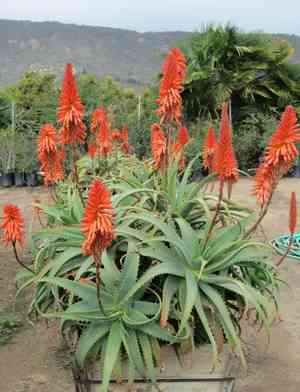
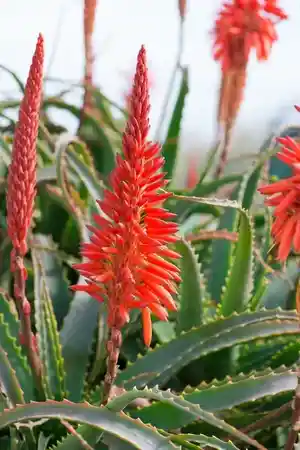
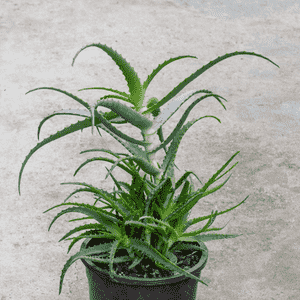
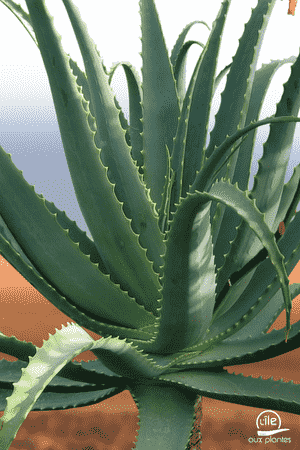
Aloe arborescens, commonly known as Candelabra Aloe, is a flowering succulent indigenous to Southern Africa. It is frequently used as a natural barrier around livestock enclosures due to its dense, spiky foliage, which acts as a deterrent. This species is closely related to Aloe vera and is known for attracting birds, bees, and butterflies. The name "arborescens" translates to "tree-like," reflecting its growth habit.
Attributes of Candelabra aloe
Images of Candelabra aloe
Quickly Identify Candelabra aloe
Scientific Classification of Candelabra aloe
Planting and Growing of Candelabra aloe
 How to Water Candelabra aloe?
 What Are the Sunlight Requirements for Candelabra aloe?
 What Is the Ideal Temperature Range for Candelabra aloe?
 What Soil is Best for Candelabra aloe?
 How to Fertilize Candelabra aloe?
 How to Prune Candelabra aloe?
 How to Propagate Candelabra aloe plant?
 How to Repot Candelabra aloe plant?
Toxicity of Candelabra aloe
Is Candelabra aloe toxic to humans?
If consumed, candelabra aloe can lead to harmful effects in humans. The consequences of ingesting this plant are generally serious, occasionally culminating in organ failure and even death. The gel, latex, and extracts derived from the plant contain toxins that can cause symptoms like diarrhea, abdominal pain, renal failure, and potentially death. Although gels made from this plant are widely used for topical application, they can pose significant risks if children access and ingest the gel. Additionally, some individuals may utilize candelabra aloe extract for therapeutic reasons without fully understanding the associated dangers.
Is Candelabra aloe toxic to cat?
Candelabra aloe contains toxins that can pose a significant threat to cats. Should felines consume the sap or juice of this plant, they might display symptoms of distress or illness, although the specific toxic compounds remain unidentified. The risk of toxicity in cats arises from unintentional ingestion, highlighting the necessity of supervising pets in settings where candelabra aloe is found. If you believe your cat has ingested any part of candelabra aloe, it is crucial to obtain prompt veterinary assistance to manage any potential health concerns stemming from exposure to this plant.
Is Candelabra aloe toxic to dog?
Candelabra aloe is identified as a toxic species for dogs. When dogs consume any part of this plant, especially its sap or juice, they risk poisoning. This often occurs when dogs inadvertently eat portions of the plant, resulting in a range of symptoms that indicate toxicity. Such symptoms can encompass vomiting, diarrhea, lethargy, and alterations in urine color, among others. It is essential for dog owners to remain observant and prevent their pets from coming into contact with candelabra aloe. Should a dog ingest candelabra aloe, it is vital to seek prompt veterinary assistance to guarantee the best possible outcome for the affected animal.



