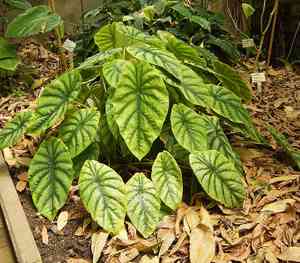
Elephant's-ears (Alocasia) (Alocasia)
Also known as: Elephant Ear, African Mask Plant
Elephant's ears belong to a group of tuberous perennial tropical plants, recognized by their unique, large leaves that resemble an elephant's ears. These plants are popular as houseplants worldwide due to their eye-catching foliage, which comes in various colors and patterns. Many different cultivars are available, allowing for a range of aesthetic choices for indoor gardening enthusiasts.
Attributes of Elephant's-ears (Alocasia)
Images of Elephant's-ears (Alocasia)

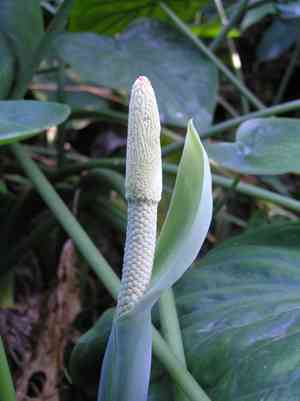
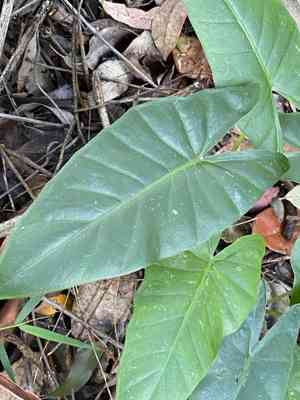
Quickly Identify Elephant's-ears (Alocasia)
Scientific Classification of Elephant's-ears (Alocasia)
Planting and Growing of Elephant's-ears (Alocasia)
 How to Water Elephant's-ears (Alocasia)?
 What Are the Sunlight Requirements for Elephant's-ears (Alocasia)?
 What Is the Ideal Temperature Range for Elephant's-ears (Alocasia)?
 What Soil is Best for Elephant's-ears (Alocasia)?
 How to Fertilize Elephant's-ears (Alocasia)?
 How to Prune Elephant's-ears (Alocasia)?
 How to Propagate Elephant's-ears (Alocasia) plant?
 How to Repot Elephant's-ears (Alocasia) plant?
Toxicity of Elephant's-ears (Alocasia)
Is Elephant's-ears (Alocasia) toxic to cat?
The leaves, stems, and roots of the elephant's-ears possess chemical compounds that can be moderately to severely toxic to cats, potentially necessitating veterinary care following exposure to this plant. These substances, known as insoluble calcium oxalates, may provoke a range of reactions from mild irritation to severe kidney failure. The most prevalent symptoms observed after contact with the sap of this plant include swelling of the mouth, lips, and tongue; challenges in eating, vomiting, diarrhea, diminished appetite, excessive drooling, foaming, and seizures. It is strongly recommended to seek immediate medical attention.
Is Elephant's-ears (Alocasia) toxic to dog?
Elephant's-ears, belonging to the genus Alocasia, present a moderate toxicity risk to dogs. Every part of these plants is infused with sap that contains calcium oxalate crystals, which can lead to both skin irritation and gastrointestinal issues. Signs of ingestion may manifest as redness or irritation around the mouth and throat, excessive pawing at the mouth, diminished appetite, difficulty swallowing, vomiting, or diarrhea. Additionally, topical contact with calcium oxalate can result in skin redness or itchiness. While more severe reactions are possible, they are uncommon since the plant's unpalatable nature typically deters dogs from consuming it excessively.


