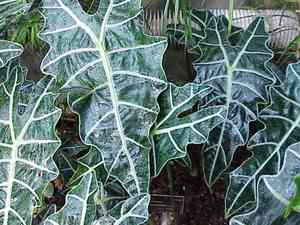
Alocasia sanderiana (Alocasia sanderiana)
Also known as: Kris Plant, Amazon Taro
Belonging to the Araceae family, Alocasia sanderiana, often known as the Kris plant or Sander's alocasia, roots from Northern Mindanao in the Philippines. While it's prominent as a decorative plant globally, its native habitat recognizes it as a critically endangered species, as declared by the International Union for Conservation of Nature.
Attributes of Alocasia sanderiana
Images of Alocasia sanderiana

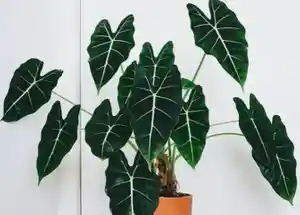

Quickly Identify Alocasia sanderiana
Scientific Classification of Alocasia sanderiana
Planting and Growing of Alocasia sanderiana
 How to Water Alocasia sanderiana?
 What Are the Sunlight Requirements for Alocasia sanderiana?
 What Is the Ideal Temperature Range for Alocasia sanderiana?
 What Soil is Best for Alocasia sanderiana?
 How to Fertilize Alocasia sanderiana?
 How to Prune Alocasia sanderiana?
 How to Propagate Alocasia sanderiana plant?
 How to Repot Alocasia sanderiana plant?
Toxicity of Alocasia sanderiana
Is Alocasia sanderiana toxic to humans?
The Kris plant exhibits a mild toxicity to humans primarily through ingestion. This toxicity stems from the presence of calcium oxalate found throughout the plant. When any part of the Kris plant is consumed, the calcium oxalate may lead to various symptoms. Affected individuals might experience a burning sensation in their mouth and throat, along with swelling in the lips, tongue, and surrounding oral tissues, which can result in difficulties with both speaking and swallowing. Furthermore, gastrointestinal distress, including nausea, vomiting, and diarrhea, is often reported. Hence, it is crucial for individuals, particularly those with children or pets, to understand the potential hazards and to take precautions to avoid accidental ingestion of the Kris plant.
Is Alocasia sanderiana toxic to cat?
The Kris plant is known to possess mild toxic effects on cats. If a cat ingests any portion of this plant, which is toxic in its entirety, it may exhibit symptoms stemming from the presence of calcium oxalate. Such symptoms can encompass oral irritation, excessive drooling, vomiting, and difficulty in swallowing. It is essential for cat owners to remain alert and safeguard their feline friends from unintentionally consuming the kris plant. Should poisoning occur, seeking immediate veterinary care is critical to ensure the health and safety of the affected cat.
Is Alocasia sanderiana toxic to dog?
The kris plant is regarded as having a mild toxicity level for dogs. Canines might inadvertently consume parts of the kris plant, which can result in poisoning. This plant's entire structure, including its leaves, stems, and roots, comprises toxic compounds that can be hazardous if ingested by pets. Dogs that have consumed the kris plant may show symptoms such as oral irritation, excessive drooling, vomiting, and trouble swallowing due to calcium oxalate crystals. It is essential for dog owners to keep a close watch on their pets and restrict their access to the kris plant. If a dog does eat any portion of this plant and shows signs of distress or poisoning, seeking immediate veterinary attention is crucial.



