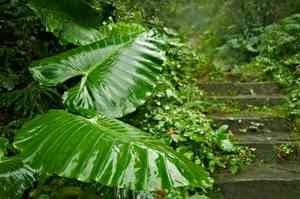
Giant taro (Alocasia macrorrhiza)
Also known as: Pia, Upright elephant ear
Known as "elephant's ear" for its huge leaves, Alocasia is a versatile tropical plant originating from India and Sri Lanka. It is cherished for its decorative appeal and ease of cultivation.
In This Article
Attributes of Giant taro
Lifespan
Perennial
Plant Type
Herb
Plant Height
12 to 15 feet
Spread
4 to 8 feet
Leaf Color
Green
Flower Size
Approximately 6 inches
Flower Color
White Cream Green
Images of Giant taro
Quickly Identify Giant taro
1
Look for large, heart-shaped leaves that can grow up to 3 feet long. The leaves are glossy green with prominent veins. The plant typically grows in a clumping formation, and its size and leaf shape make it distinctive.
Scientific Classification of Giant taro
Phylum
Vascular plants
Class
Monocotyledons
Order
Alismatales
Family
Arum
Genus
Elephant's-ears
Species
Giant taro
Planting and Growing of Giant taro
Care Difficulty
Easy
Watering Schedule
Every 4 days
Sunlight Requirements
Partial sun
Sunshine Duration
4-8 hours
Ideal Temperature
65-85℉
Soil Type
Potting Mix, Peat Mix
Soil pH
6.5-7.5
Fertilizer Type
Balanced
Pruning Season
Spring, Summer
Pruning Area
Branches, Leaves
Pruning Frequency
2 times a year
Repotting Season
Spring
Pot Type
Plastic, Ceramic
 How to Water Giant taro?
When watering Alocasia macrorrhiza, ensure the soil is thoroughly moistened but not soggy. Use approximately 500 ml to evenly wet the soil. Ideally, the excess water should drain from the bottom, indicating the roots are well-hydrated without being waterlogged.
What are the symptoms of an underwatered Giant taro?
›
What should I do if my Giant taro is not getting enough water?
›
What are the symptoms of an overwatered Giant taro?
›
How to save an overwatered Giant taro?
›
 What Are the Sunlight Requirements for Giant taro?
Partial sun to full shade conditions provide the optimal light range for Alocasia macrorrhiza. This range mimics its natural environment and supports healthy growth, vibrant leaf color, and prevents stress-induced ailments.
What is the best lighting condition for Alocasia macrorrhiza?
›
How can I achieve ideal light conditions for this plant?
›
What are the benefits of providing ideal light conditions?
›
 What Is the Ideal Temperature Range for Giant taro?
For optimal growth, Alocasia macrorrhiza thrives best in temperatures ranging from 65°F to 85°F. Within this range, the plant can effectively photosynthesize and maintain its vibrant foliage. Cooler temperatures can slow growth, while warmer temperatures support active growth phases. Maintaining constant temperatures within this range is conducive to the plant's overall health and prevents stress that could otherwise impact its development.
 What Soil is Best for Giant taro?
Alocasia macrorrhiza thrives in soil rich in organic matter which provides essential nutrients necessary for its large leaf growth. Enhanced organic content retains moisture, thus benefiting the plant by preventing root dehydration. This plant prefers well-draining soil to prevent water stagnation, which can lead to root rot. A well-drained substrate ensures aeration and optimal water penetration, promoting healthy root development. While drainage is vital, the soil should also retain adequate moisture to mimic the tropical conditions Alocasia macrorrhiza prefers. Moist soil supports consistent hydration of roots, crucial for sustaining foliage vitality.
 How to Fertilize Giant taro?
For Alocasia macrorrhiza, it is important to find a balance with fertilizer use. Typically, apply a balanced liquid fertilizer diluted to half the recommended strength. Use around 1-2 tablespoons of this solution per gallon of water when watering the plant.
 How to Prune Giant taro?
Look for yellowing, damaged, or dead leaves that no longer contribute to the plant’s health and aesthetic. Removing these will help direct energy to new growth. When pruning, cut the selected leaves at the base of their stems near the main rhizome using garden shears. Make sure your cut is clean and precise. After pruning, check the plant and its surroundings for any signs of pests or disease, as open cuts can sometimes attract unwanted visitors.
 How to Propagate Giant taro plant?
1
Before division, water the parent Alocasia macrorrhiza plant a day in advance to reduce stress and ease the process. This primes the plant and ensures optimal hydration during the division process, which is essential for successful propagation.
2
Carefully remove the plant from its container and gently separate the rhizomes with your hands or cut them using a sterilized knife. Each division should have at least one healthy shoot and a decent portion of roots to ensure successful growth.
3
Place each division into a potting container filled with moist, well-draining soil. Position the divisions at the same soil level they were growing at previously to promote root establishment without causing rot or dehydration.
 How to Repot Giant taro plant?
1
The best time to repot Alocasia macrorrhiza is when you see roots coming out of the drainage holes or the plant appears to be significantly root-bound. This typically happens as it grows vigorously in its active growth period. Repotting during this time helps the plant transition smoothly without stress.
2
Select a pot that is one to two sizes larger than the current one, ensuring it has enough drainage holes. A pot that provides ample drainage prevents waterlogging, thereby protecting the roots from rot and promoting better growth. Consider using a lightweight, breathable material for optimal root oxygenation.
3
Opt for a soil mix that retains moisture yet drains well, such as a mix of potting soil, perlite, and orchid bark. This combination provides the necessary nutrients while ensuring adequate aeration and moisture retention, fostering an ideal environment for Alocasia macrorrhiza.
Toxicity
Ingestion, Topical exposure
WARNING
The judgment on toxicity and danger is for reference only. We DO NOT GUARANTEE any accuracy of such judgment. Therefore, you SHALL NOT rely on such judgment. It is IMPORTANT TO SEEK PROFESSIONAL ADVICE in advance when necessary.



