
Chinese taro (Alocasia cucullata)
Also known as: Buddha's hand
Alocasia cucullata, with its large, glossy, heart-shaped leaves, is a popular ornamental plant, especially in humid and warm climates. Originally from Southeast Asia, it has spread to tropical regions worldwide. While certain types of Alocasia can be toxic if ingested, this hasn't stopped it from being regarded as a symbol of good luck in some Buddhist traditions, often being grown in temples.
Attributes of Chinese taro
Images of Chinese taro
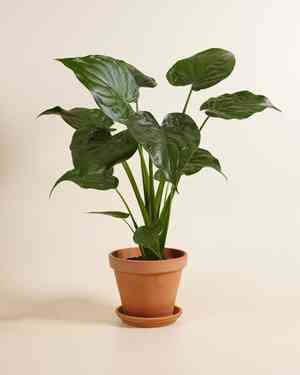
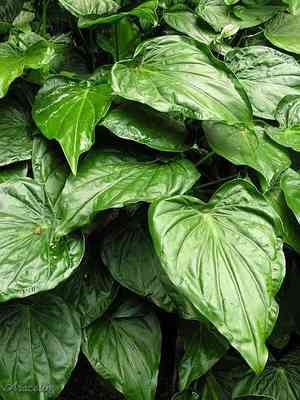
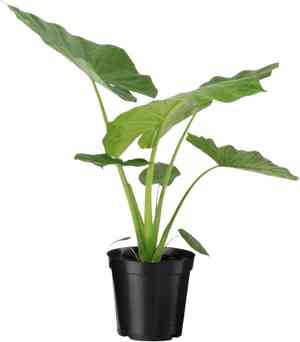
Quickly Identify Chinese taro
Scientific Classification of Chinese taro
Planting and Growing of Chinese taro
 How to Water Chinese taro?
 What Are the Sunlight Requirements for Chinese taro?
 What Is the Ideal Temperature Range for Chinese taro?
 What Soil is Best for Chinese taro?
 How to Fertilize Chinese taro?
 How to Prune Chinese taro?
 How to Propagate Chinese taro plant?
 How to Repot Chinese taro plant?
Toxicity of Chinese taro
Is Chinese taro toxic to humans?
Chinese taro is an extremely toxic plant. The sap found in its stems and leaves can lead to irritation and inflammation upon contact with skin. Such irritation can be particularly intense for individuals with lower body weights. Symptoms like redness and itching are frequently observed and may persist for several days. The small red fruits possess the highest levels of the toxins sapotoxin and calcium oxalate raphids. Consuming even a tiny piece of these fruits can lead to fatal consequences. These toxins provoke inflammation in vital organs. Children are especially drawn to the plant due to its bright color and small size, making them the most vulnerable.
Is Chinese taro toxic to cat?
Chinese taro poses a toxic threat to cats, making it a potential danger if consumed. Any part of the plant can poison felines, particularly if they inadvertently chew on its leaves or stems. After ingesting, a cat may display symptoms of physical discomfort or distress. While specific toxic compounds are not identified, this does not diminish the critical recognition of the toxic characteristics of Chinese taro. Cat owners must remain vigilant and keep their pets away from this plant. Should a cat exhibit any signs of poisoning, such as digestive issues or alterations in behavior, it is essential to seek prompt veterinary assistance to ensure the safety and well-being of the cat.
Is Chinese taro toxic to dog?
Chinese taro is a harmful plant for dogs, presenting significant health dangers if consumed. Any accidental ingestion of this plant can lead to poisoning, as every part of chinese taro harbors toxic components. Symptoms of poisoning in dogs may manifest as vomiting, diarrhea, excessive drooling, pawing at the mouth, reduced appetite, and in more alarming cases, difficulty in breathing or swallowing. It is essential for dog owners to prevent their furry companions from accessing chinese taro and to vigilantly observe for any signs of accidental intake. If a dog shows any symptoms of poisoning after exposure to chinese taro, seeking prompt veterinary assistance is critical to ensure the best possible health outcome for the affected pet.



