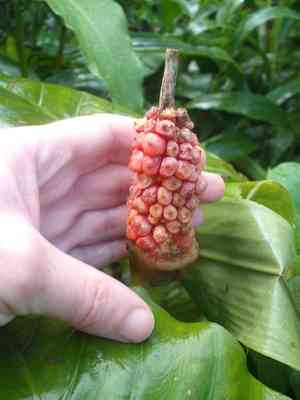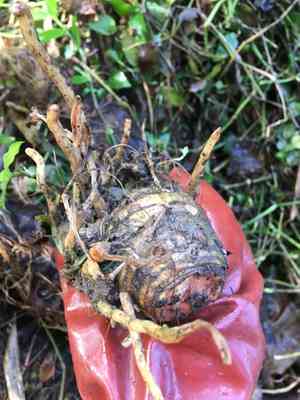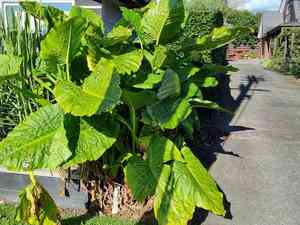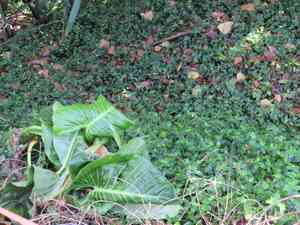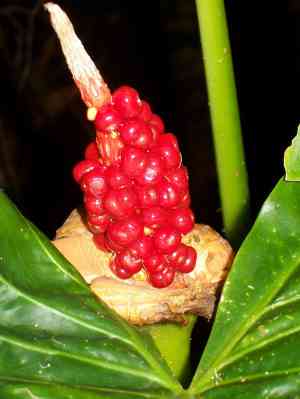
Elephant's ear(Alocasia brisbanensis)

Elephant's ear (Alocasia brisbanensis)

Also known as: Elephant Ear, Cunjevoi Lily

Elephant's ear plants, native to tropical regions, can be a striking addition to any tropical home garden, often reaching heights of up to 2 meters. However, it’s essential to take certain precautions:

1. **Space and Growth**: Ensure ample space for growth, as these plants can become quite large.
2. **Soil and Water**: Keep the soil consistently moist but well-drained to avoid waterlogging.
3. **Light Requirements**: Position the plant in partial to full shade to protect it from direct, intense sunlight.
4. **Temperature Sensitivity**: Maintain a warm environment, as the plant thrives in tropical climates and is sensitive to cold.
5. **Toxicity Warning**: Be mindful of its toxic nature—keep it out of reach of pets and children.
6. **Invasive Potential**: Regularly monitor and manage its growth to prevent it from becoming invasive.
7. **Mulching**: Apply mulch to help retain soil moisture and regulate temperature.

Attributes of Elephant's ear

Lifespan
Perennial, Annual
Plant Type
Herb
Plant Height
1.5 to 3 meters
Spread
Up to 2 meters
Leaf Color
Dark green
Flower Size
0.5 to 1 centimeter
Flower Color
Yellow Green

ForwardPlant - Identify plants with a snap

Identify and diagnose plants, get toxicity alerts, and explore safety guides for all types of fungi.

Try for Free

Images of Elephant's ear

Elephant's ear(Alocasia brisbanensis)

Quickly Identify Elephant's ear

1
Identify the plant by its large, glossy, heart-shaped leaves with prominent veins, and its thick, succulent stem.

Scientific Classification of Elephant's ear

Phylum
Vascular plants
Class
Monocotyledons
Order
Alismatales
Family
Arum
Genus
Elephant's-ears
Species
Elephant's ear

Planting and Growing of Elephant's ear

Care Difficulty
Hard
Watering Schedule
Every 4 days
Sunlight Requirements
Partial sun
Sunshine Duration
4-8 hours
Ideal Temperature
65-75℉
Soil Type
Potting Mix, Peat Mix
Soil pH
6.5-7.5
Fertilizer Type
Balanced
Pruning Season
Spring, Summer
Pruning Area
Branches, Leaves
Pruning Frequency
2 times a year
Repotting Season
Spring
Pot Type
Plastic, Ceramic

water icon How to Water Elephant's ear?

Water Alocasia brisbanensis until the soil is thoroughly moist, as this plant thrives in consistently damp conditions. Ensure the water drains out from the bottom of the pot to prevent soggy roots. The goal is to maintain slightly damp soil rather than swampy or overly wet.
What are the symptoms of an underwatered Elephant's ear?
What should I do if my Elephant's ear is not getting enough water?
What are the symptoms of an overwatered Elephant's ear?
How to save an overwatered Elephant's ear?

sunlight icon What Are the Sunlight Requirements for Elephant's ear?

Sunlight Requirements: Partial sun, Full shade
Duration of light: 2-6 hours daily
An ideal light range for Alocasia brisbanensis is partial sun to full shade, replicating its rainforest floor environment. Adequate indirect light promotes lush foliage and strong plant health.
What kind of lighting does Alocasia brisbanensis need?
How can you provide this ideal lighting?
What benefits does the ideal lighting provide to the plant?
More About Sunlight Requirements Techniques

temperature icon What Is the Ideal Temperature Range for Elephant's ear?

Ideal Temperature: 65 ~ 75℉
For Alocasia brisbanensis, the ideal temperature range is between 65°F and 75°F. This temperature range ensures optimal photosynthesis and metabolic functions. It is crucial for maintaining leaf health and achieving vigorous growth, as extreme temperatures can impede nutrient uptake.

soil icon What Soil is Best for Elephant's ear?

Soil type: Loam, Sandy loam
Soil PH: 6.5 ~ 7.5
Alocasia brisbanensis thrives best in well-draining soil to prevent root rot. The loamy or sandy loam textures help ensure proper moisture retention while allowing excess water to drain efficiently, which supports optimal root health. Rich, organic soil provides the essential nutrients Alocasia brisbanensis requires for vigorous growth. Incorporating organic matter, such as compost, enhances soil fertility, fostering robust foliage and healthy plant development. While drainage is critical, maintaining consistent soil moisture is equally important for Alocasia brisbanensis. A fine balance achieved through loamy soils ensures the plant remains hydrated, mimicking the naturally humid conditions it prefers.

fertilize icon How to Fertilize Elephant's ear?

Fertilizer type: Balanced
When fertilizing Alocasia brisbanensis, it's important to follow moderate guidelines. Use a balanced 10-10-10 liquid fertilizer diluted to half strength. Apply approximately 100 ml of the diluted solution per plant, ensuring the soil is moist before application to prevent root burn.

prune icon How to Prune Elephant's ear?

Pruning Time: Spring, Summer
Begin by inspecting the plant for any damaged, yellowing, or unhealthy looking leaves. Use a pair of sanitized sharp pruning shears or scissors to make clean cuts at the base of these leaves. If your Alocasia brisbanensis has any older leaves that have depleted their usefulness, remove them to promote new growth and air circulation around the lower parts. To stimulate bushier growth, find nodes where leaves emerge and trim just above these points. Cutting back the stems slightly can encourage side shoots to develop. Make sure not to cut the main growth points intended for new foliage development. It's important to be conservative with how much you prune at once to avoid shocking the plant. More About Pruning Techniques

propagate icon How to Propagate Elephant's ear plant?

Propagate Time: Spring, Early summer
1
Begin by watering the plant a day before division, making the soil moist and the roots easier to handle. Ensure the plant is healthy and shows no signs of disease or pest infestation.
2
Carefully remove the plant from its pot and gently shake off excess soil from the roots. Use a sharp knife to cut the rhizomes into sections, ensuring each section has a healthy root system and at least one growth node.
3
Plant each section of the divided rhizome into a small pot with fresh potting mix. Water the divisions lightly and place them in a warm, humid environment with indirect sunlight to encourage rooting and growth.
More About Propagating Techniques

repot icon How to Repot Elephant's ear plant?

Repotting frequency: Every 1-2 years
1
Recognize it's time to repot your Alocasia brisbanensis when roots are visibly poking through the pot's drainage holes, or the plant appears stunted despite regular care. These are clear indicators that the plant has outgrown its current pot and requires more space to thrive. Ideally, repotting should take place in spring or summer when the plant is actively growing, aiding in a smoother transition.
2
Choosing the right pot for your Alocasia brisbanensis is crucial for its development. Opt for a container that is slightly larger than the current one, allowing an extra 1-2 inches in diameter for root expansion. A breathable, porous material like clay or terracotta is ideal, as it helps prevent waterlogging by promoting moisture evaporation through the pot walls. Ensuring adequate drainage is vital to prevent root rot.
3
A suitable soil for Alocasia brisbanensis should be rich in organic matter and well-draining. A soil mix containing peat, perlite, and orchid bark works well, providing both nutrients and drainage. This type of soil ensures that while the roots receive plenty of nutrients, they are not sitting in water, which can lead to rot and other health issues.

ForwardPlant - Identify plants with a snap

Find the best spots for them to optimize their health, simply using your phone.

Try for Free

Toxicity

Ingestion, Topical exposure

Identify toxic plants for your safety

Learn which plants are harmful to you and your pets, and make informed choices for a safer home!

Try for Free
WARNING
The judgment on toxicity and danger is for reference only. We DO NOT GUARANTEE any accuracy of such judgment. Therefore, you SHALL NOT rely on such judgment. It is IMPORTANT TO SEEK PROFESSIONAL ADVICE in advance when necessary.