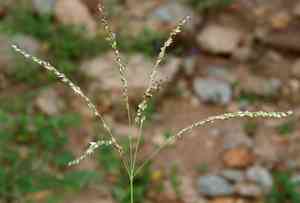
Alloteropsis (Alloteropsis) (Alloteropsis)
Also known as: Alloteropsis semialata, Blackseed Grass
Alloteropsis is predominantly found in the tropical and subtropical areas of Africa, Asia, and Australia. It also occurs on various islands in the Indian and Pacific Oceans.
In This Article
Attributes of Alloteropsis (Alloteropsis)
Lifespan
Perennial
Plant Height
0.3 to 1.5 meters
Spread
Varies widely depending on growth conditions
Leaf Color
Green
Flower Size
Up to 1 cm
Flower Color
Greenish, often unnoticed
Images of Alloteropsis (Alloteropsis)
Quickly Identify Alloteropsis (Alloteropsis)
1
Alloteropsis can be identified by its lance-shaped leaves and unique black seeds. Its inflorescence is characterized by small, spike-like flower clusters.
Scientific Classification of Alloteropsis (Alloteropsis)
Phylum
Magnoliophyta
Class
Liliopsida
Order
Poales
Family
Poaceae
Genus
Alloteropsis
Planting and Growing of Alloteropsis (Alloteropsis)
Care Difficulty
Moderate
Watering Schedule
Every 3 days
Sunlight Requirements
Partial sun
Sunshine Duration
4-8 hours
Ideal Temperature
68-77℉
Soil Type
Potting Mix, Peat Mix
Soil pH
6.5-7.5
Fertilizer Type
Balanced
Pruning Season
Spring, Summer
Pruning Area
Branches, Leaves
Pruning Frequency
2 times a year
Repotting Season
Spring
Pot Type
Plastic, Ceramic
 How to Water Alloteropsis (Alloteropsis)?
Alloteropsis plants prefer a well-balanced watering approach. It's essential to keep the soil consistently moist without waterlogging. Water about 500ml each time, ensuring it reaches the root zone. Allow the top inch of soil to dry out between waterings to prevent rot while catering to the plant's moisture needs.
What are the symptoms of an underwatered Alloteropsis (Alloteropsis)?
›
What should I do if my Alloteropsis (Alloteropsis) is not getting enough water?
›
What are the symptoms of an overwatered Alloteropsis (Alloteropsis)?
›
How to save an overwatered Alloteropsis (Alloteropsis)?
›
 What Are the Sunlight Requirements for Alloteropsis (Alloteropsis)?
Alloteropsis prefers partial sun exposure, ideally receiving around 4 to 6 hours of light each day. This balance allows it to photosynthesize efficiently while avoiding the stress of overheating, promoting healthy development.
How much light does Alloteropsis need?
›
What if my location doesn't offer ideal light?
›
What benefits does optimal lighting provide?
›
 What Is the Ideal Temperature Range for Alloteropsis (Alloteropsis)?
The ideal temperature range for Alloteropsis is between 68°F and 77°F. This range provides optimal conditions for growth and development. Within this temperature bracket, metabolic processes occur efficiently, promoting healthy foliage and overall vigor. Maintaining temperature within this range ensures that the plant can photosynthesize effectively, which is crucial for its energy production and growth.
 What Soil is Best for Alloteropsis (Alloteropsis)?
Alloteropsis thrives best in well-draining soil which prevents the roots from sitting in water, thereby reducing the risk of root rot. Ensuring the soil can efficiently drain excess water promotes healthy root development. This plant prefers soil with moderate fertility. A balance in nutrient levels supports its growth without causing nutrient imbalances that could hinder plant health or cause excessive foliage at the expense of flowering. Although it prefers well-draining soil, maintaining consistent soil moisture is vital for Alloteropsis. This ensures that the plant does not experience drought stress, which can lead to wilting and impaired growth.
 How to Fertilize Alloteropsis (Alloteropsis)?
For Alloteropsis, an ideal fertilizer amount balances between delivering nutrients and avoiding over-concentration. Apply liquid fertilizer with a dilution of 1 tablespoon per gallon of water. This ensures the nutrients are available without causing potential root damage.
 How to Prune Alloteropsis (Alloteropsis)?
Use sharp, clean shears or scissors to ensure clean cuts and prevent infections. Disinfect your tools before and after use, especially if the plant has shown any signs of disease. Look for brown, brittle, or non-productive stems, mainly at the base of the plant. Removing these can allow light and air to penetrate more effectively, improving overall plant health. Trim back any leggy or unruly growth to maintain the desired shape of your Alloteropsis. Keep in mind its natural form to ensure it grows in its most aesthetically pleasing and healthiest state.
 How to Propagate Alloteropsis (Alloteropsis) plant?
1
Ensure the soil is well-draining and rich in organic matter. A balanced mixture of peat, perlite, and garden soil is ideal. The soil should be slightly moist before planting seeds or divisions.
2
Scatter the seeds evenly in the seed starting tray and lightly cover them with soil. Mist the surface to provide moisture but avoid overwatering, as this may lead to seed rot.
3
Carefully dig up the plant and gently separate the roots using a spade or knife. Ensure each section has a healthy root system. Plant the divisions immediately to prevent root drying.
 How to Repot Alloteropsis (Alloteropsis) plant?
1
Repot Alloteropsis when you notice that the roots are circling the bottom of the pot, meaning the plant has become root-bound. This is also the perfect time to provide fresh soil for nutrients. Ideally, repotting should be done during the growing seasons of spring or summer to minimize stress on the plant.
2
Choose a pot that's one size larger than the current one, ensuring it has adequate drainage holes. A pot that fits well prevents stagnation of water and promotes healthy root growth. Terracotta pots are especially beneficial because they allow for better air circulation to the roots, thus preventing root rot.
3
Opt for a well-draining soil mix that mimics the natural habitat of Alloteropsis. A sandy loam mixture is ideal because it balances moisture retention with excellent aeration, thus preventing waterlogging while providing necessary nutrients for growth. Avoid heavy soils that compact easily, as they hinder root development.

