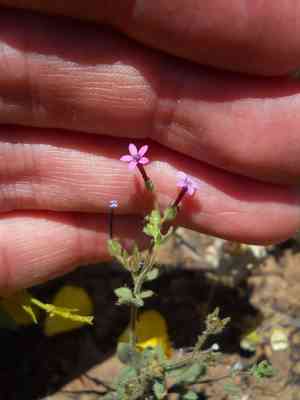
Purple false gilyflower (Allophyllum divaricatum)
Also known as: Purple Gilia, Spreading Gilia
The purple false gilyflower is a delightful perennial known for its striking purple-pink, trumpet-shaped blooms. It thrives in sunny, open areas, typically found in the chaparral and woodland regions of western North America. Adapted to dry conditions, its slender stems and finely divided leaves make it well-suited to its arid habitat. This wildflower brings vibrant color to the landscape during the spring and early summer seasons.
In This Article
Attributes of Purple false gilyflower
Lifespan
Annual
Plant Type
Herb
Plant Height
10-50 cm
Spread
N/A
Leaf Color
Green
Flower Size
0.5-1 cm
Flower Color
Purple, Lavender
Images of Purple false gilyflower
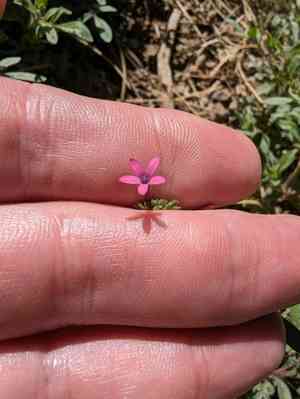
Quickly Identify Purple false gilyflower
1
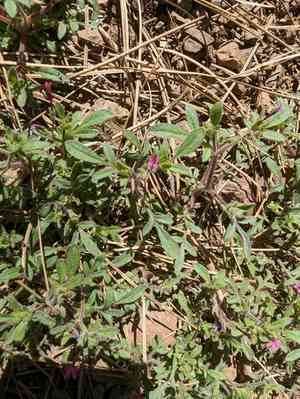
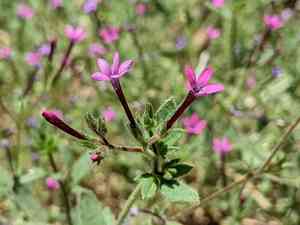
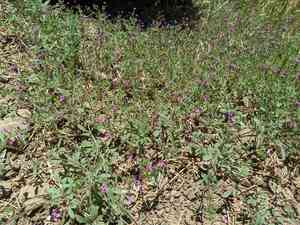
This plant can be identified by its slender, branching stems and small purple to lavender flowers with five petals. The leaves are often deeply lobed and occur in a basal rosette.
Scientific Classification of Purple false gilyflower
Phylum
Vascular plants
Class
Dicotyledons
Order
Ericales
Family
Phlox
Genus
False gilyflower
Species
Purple false gilyflower
Planting and Growing of Purple false gilyflower
Care Difficulty
Hard
Watering Schedule
Every 3 days
Sunlight Requirements
Partial sun
Sunshine Duration
4-6 hours
Ideal Temperature
60-75℉
Soil Type
Potting Mix, Peat Mix
Soil pH
6.5-7.5
Fertilizer Type
Balanced
Pruning Season
Spring, Summer
Pruning Area
Branches, Leaves
Pruning Frequency
2 times a year
Repotting Season
Spring
Pot Type
Plastic, Ceramic
 How to Water Purple false gilyflower?
The Allophyllum divaricatum thrives best when watered appropriately. Make sure the soil is moist but not drenched, meaning you should water thoroughly until excess starts to seep out of the drainage holes. It's essential to balance, as the roots require enough oxygen. Utilize about 250ml of water per session, ensuring even distribution across the soil surface.
What are the symptoms of an underwatered Purple false gilyflower?
›
What should I do if my Purple false gilyflower is not getting enough water?
›
What are the symptoms of an overwatered Purple false gilyflower?
›
How to save an overwatered Purple false gilyflower?
›
 What Are the Sunlight Requirements for Purple false gilyflower?
The ideal light range for Allophyllum divaricatum encompasses partial sun exposure, ensuring it receives consistent indirect or filtered sunlight. Ideal lighting promotes healthy foliage and balanced growth, maintaining plant resilience and vigor.
What is the ideal amount of sunlight for Allophyllum divaricatum?
›
Where is the best location to place Allophyllum divaricatum indoors?
›
How to supplement sunlight if natural light is insufficient?
›
 What Is the Ideal Temperature Range for Purple false gilyflower?
The ideal temperature range for cultivating Allophyllum divaricatum falls between 60°F to 75°F. These temperatures provide the optimal environment for the plant’s physiological processes, including photosynthesis and respiration. Ensuring your environment matches these temperatures can lead to healthier growth, vibrant flowers, and robust foliage. By maintaining the temperature within this range, you'll enhance the plant's ability to absorb nutrients efficiently and sustain overall wellness.
 What Soil is Best for Purple false gilyflower?
Allophyllum divaricatum thrives in well-drained soil, which prevents water stagnation around the roots, thus reducing the risk of root rot. This requirement ensures that the plant has an optimal balance of moisture and aeration, promoting healthy growth and vibrant blooms. The plant flourishes best in nutrient-rich soil that provides essential minerals and organic matter for sustained growth. Such soil supports robust plant health, promoting resilience against pests and diseases, and enhancing flower production. Allophyllum divaricatum appreciates soil that remains consistently moist but not overly saturated. This condition maintains hydration levels appropriate for the plant's needs, encouraging vigorous root development and ensuring the plant remains lush and green.
 How to Fertilize Purple false gilyflower?
For Allophyllum divaricatum, the fertilizer amount should be moderate to support healthy growth. Generally, use a diluted liquid fertilizer at half the recommended strength for typical houseplants. For slow-release fertilizers, follow the package instructions, often around 5 to 10 grams per plant depending on size.
 How to Prune Purple false gilyflower?
Begin by spotting dead, damaged, or diseased branches. Then, assess growth direction and remove any crossing or inward-growing branches to improve airflow and sunlight penetration. Make smooth, angled cuts just above a leaf node or healthy growth direction to ensure water runs off and discourage rot, preventing water trapping.
More About Pruning Techniques→
 How to Propagate Purple false gilyflower plant?
1
Begin by soaking the Allophyllum divaricatum seeds in warm water for 24 hours to soften the seed coat and enhance germination rates.
2
Fill seed trays with a moist potting mix and scatter the seeds lightly over the surface. Cover them with a thin layer of soil, approximately twice the thickness of the seed, to ensure they receive adequate light exposure for germination.
3
Water the soil gently to keep it consistently moist but not waterlogged. Place the trays in a warm, bright location, ideally with indirect sunlight, to encourage rapid germination.
 How to Repot Purple false gilyflower plant?
1
Repot Allophyllum divaricatum when you notice its roots are crowding the current pot, emerging from drainage holes, or if growth has visibly slowed despite optimal care. These are signals that the plant requires more space to thrive.
2
Select a pot that is one size larger than the current one, with ample drainage holes. A larger pot allows the plant's root system to expand without becoming waterlogged, which promotes healthier growth and reduces the risk of root rot.
3
Opt for a well-draining sandy loam mix. This type of soil ensures adequate aeration and prevents waterlogging while retaining enough moisture and nutrients to keep Allophyllum divaricatum healthy and vibrant.
Learn More About Purple false gilyflower Diseases
Anthracnose
Bacterial Leaf Spot
Bacterial Soft Rot
Bacterial Wilt
Black Spot
Chemical Injury
Crown Gall
Cyst Nematode
Damping-off
Downy Mildew
Drought Stress
Fusarium Wilt
Gray Mold
Leaf Curl
Leaf Spot
Mosaic
Nutrient Deficiency
Nutrient Toxicity
Powdery Mildew
Root Rot
Root-knot Nematode
Rusts
Sooty Mold
Spider Mites
Temperature Stress
Thrips Damage
White Mold


