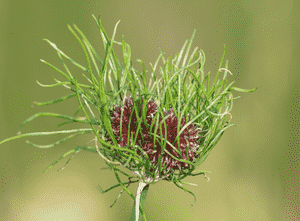
Wild garlic (Allium vineale)
Also known as: Wild Garlic, Wild Onion
Allium vineale, also known as wild garlic or crow garlic, is generally not accepted as a substitute for common garlic due to its strong, pungent flavor and unpleasant aftertaste. Furthermore, it is considered invasive and can contaminate crops with its garlic-like taste. Its resistance to many herbicides also makes it problematic in agricultural settings.
Attributes of Wild garlic
Images of Wild garlic
Quickly Identify Wild garlic
Scientific Classification of Wild garlic
Planting and Growing of Wild garlic
 How to Water Wild garlic?
 What Are the Sunlight Requirements for Wild garlic?
 What Is the Ideal Temperature Range for Wild garlic?
 What Soil is Best for Wild garlic?
 How to Fertilize Wild garlic?
 How to Prune Wild garlic?
 How to Propagate Wild garlic plant?
 How to Repot Wild garlic plant?
Toxicity of Wild garlic
Is Wild garlic toxic to humans?
Wild garlic, while considered toxic upon consumption, typically presents with mild symptoms. Every component of the plant is harmful, and consuming it in significant amounts can lead to vomiting, diarrhea, and feelings of nausea. Pregnant or breastfeeding individuals should exercise caution when contemplating the consumption of this plant, given the unclear nature of its adverse effects. Some studies suggest that wild garlic may inhibit the blood clotting process; therefore, it is advisable to refrain from ingestion if you have a bleeding disorder or plan to have surgery.
Is Wild garlic toxic to cat?
Wild garlic poses a toxicity risk to felines, and exposure can occur through the unintended consumption of its different components such as flowers, leaves, roots, and stems. If a cat ingests wild garlic, it may exhibit signs of distress or illness, leading to the need for immediate veterinary care. It is crucial for cat owners to restrict their pets' access to wild garlic and to swiftly seek medical assistance at a veterinary clinic if there are suspicions of poisoning.
Is Wild garlic toxic to dog?
Wild garlic is regarded as a harmful plant for dogs. Accidental consumption of wild garlic can lead to poisoning in dogs, a scenario that is quite frequent since pets often chew on plants during their outdoor adventures or while investigating their surroundings. All parts of the wild garlic plant—flowers, leaves, roots, and stems—are hazardous, indicating that ingestion of any component can result in toxic effects. The severity of poisoning symptoms in dogs can vary; common signs include gastrointestinal distress, fatigue, and more serious reactions, depending on the quantity consumed. Dog owners must vigilantly supervise their pets and restrict their access to wild garlic. If poisoning is suspected, seeking immediate veterinary assistance is essential for effectively managing symptoms and maximizing the chances of recovery.



