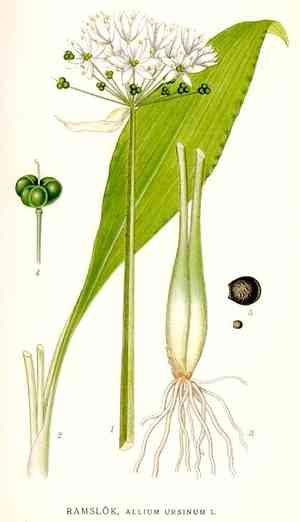
Ramson (Allium ursinum)
Also known as: Wood garlic, Broad-leaved garlic
Ramson, also known as wild garlic (Allium ursinum), is a perennial plant closely related to garlic and onions. It features broad, lance-shaped leaves and clusters of white, star-like flowers that bloom in spring and early summer. Growing to a height of 15 to 30 cm, it thrives in damp, shaded woodland areas.
Despite its appeal, collecting ramson in the wild is discouraged due to its similarity to several toxic plants, such as lily of the valley and autumn crocus, which can lead to dangerous misidentifications. Additionally, over-harvesting poses a threat to its natural habitats. Wild animals such as bears and boars are known to consume the bulbs.
Attributes of Ramson
Images of Ramson

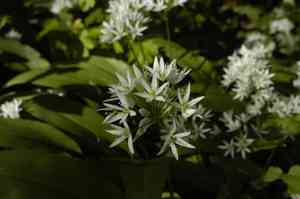
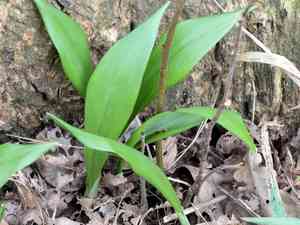
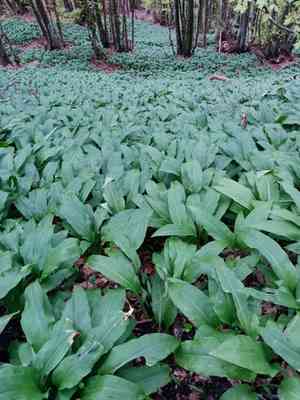
Quickly Identify Ramson
Scientific Classification of Ramson
Planting and Growing of Ramson
 How to Water Ramson?
 What Are the Sunlight Requirements for Ramson?
 What Is the Ideal Temperature Range for Ramson?
 What Soil is Best for Ramson?
 How to Fertilize Ramson?
 How to Prune Ramson?
 How to Propagate Ramson plant?
 How to Repot Ramson plant?
Toxicity of Ramson
Is Ramson toxic to cat?
Ramson poses a low toxicity risk to cats. Should a cat accidentally ingest any part of the ramson plant, it can result in poisoning. Although the exact toxic compounds in ramson are not specified, it is vital to understand that the toxicity impacts the entire plant. If a cat consumes ramson, it might show signs of physical discomfort, which can be concerning. In cases where a cat exhibits unusual behavior or becomes ill after eating ramson, it is critical to obtain immediate veterinary assistance. Timely treatment at a veterinary facility is necessary to effectively address any toxic effects.
Is Ramson toxic to dog?
Ramson presents a low-level toxicity hazard for dogs. Canines might accidentally ingest portions of this plant, which could trigger potential poisoning. The entire plant is toxic, and its consumption may provoke a range of symptoms reflective of toxicity. Pet owners should remain alert for indicators such as gastrointestinal disturbances or other concerning signs that could arise following their dog’s exposure to ramson. If poisoning is suspected, it is crucial to obtain prompt veterinary assistance to safeguard the health and well-being of the impacted dog.



