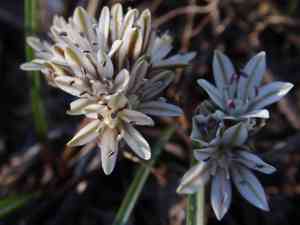
Red sierra onion (Allium obtusum)
Also known as: Broadleaf Onion
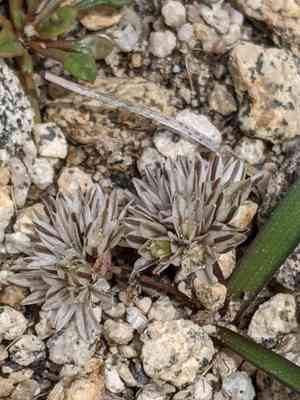
The red sierra onion (Allium obtusum) is a perennial bulbous plant that thrives in rocky soils and higher elevations. It features robust stems and spherical clusters of reddish-purple flowers that bloom from late spring to early summer. Its narrow, curved leaves have a bluish-green hue, imparting a grass-like look typical of the allium family.
In This Article
Attributes of Red sierra onion
Lifespan
Perennial
Plant Type
Herb
Plant Height
10 to 30 cm
Spread
10 to 20 cm
Leaf Color
Green
Flower Size
1 to 2 cm
Flower Color
White to pink
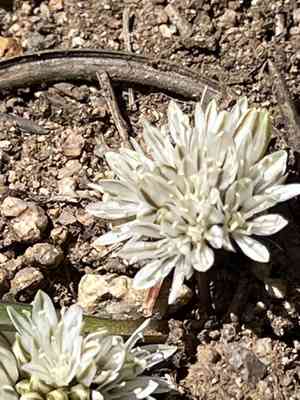
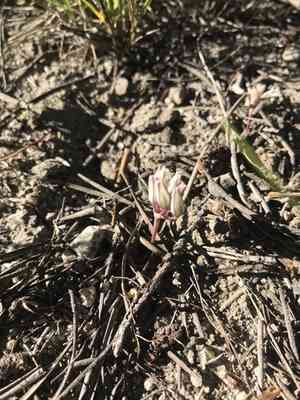
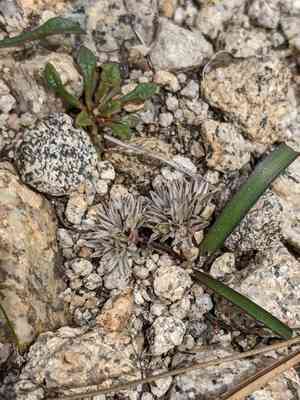
Images of Red sierra onion
Quickly Identify Red sierra onion
1
The Broadleaf Onion can be identified by its thick and blunt leaves that have a more rounded tip compared to other Allium species. The flowers are typically white to pink with star-like petals, and it usually grows in clumps.
Scientific Classification of Red sierra onion
Phylum
Vascular plants
Class
Monocotyledons
Order
Asparagales
Family
Amaryllis
Genus
Onions
Species
Red sierra onion
Planting and Growing of Red sierra onion
Care Difficulty
Easy
Watering Schedule
Every 2 days
Sunlight Requirements
Full sun
Sunshine Duration
6-12 hours
Ideal Temperature
60-75℉
Soil Type
Potting Mix, Peat Mix
Soil pH
6.5-7.5
Fertilizer Type
Balanced
Pruning Season
Spring, Summer
Pruning Area
Branches, Leaves
Pruning Frequency
2 times a year
Repotting Season
Spring
Pot Type
Plastic, Ceramic
 How to Water Red sierra onion?
For Allium obtusum, the key to watering is moderation. Water thoroughly so that the soil is moistened but not soaked. Ideally, the top two inches of soil should feel slightly moist after watering. This approach ensures that the roots get the moisture they need without becoming waterlogged.
What are the symptoms of an underwatered Red sierra onion?
›
What should I do if my Red sierra onion is not getting enough water?
›
What are the symptoms of an overwatered Red sierra onion?
›
How to save an overwatered Red sierra onion?
›
 What Are the Sunlight Requirements for Red sierra onion?
Allium obtusum ideally requires full sun, which supports its growth and flowering. Providing it with such an environment ensures vibrant blooms and healthy foliage, increasing its overall robustness and aesthetic contribution to the garden.
What is the ideal light exposure for Allium obtusum?
›
How to ensure optimal sunlight for Allium obtusum?
›
Benefits of ideal sunlight for Allium obtusum?
›
 What Is the Ideal Temperature Range for Red sierra onion?
Allium obtusum thrives best in a temperature range of 60°F to 75°F. This range supports optimal growth by encouraging proper metabolic activity and energy distribution. In these conditions, photosynthesis operates efficiently, enabling the plant to reach its full potential in terms of growth, health, and flowering capacity.
 What Soil is Best for Red sierra onion?
Allium obtusum thrives in well-drained soil, which helps prevent waterlogging that can lead to root rot. Ensuring proper drainage enhances root health and promotes robust growth. This plant prefers soil with moderate fertility levels. While it doesn't require highly fertile soil, a moderate amount of nutrients supports healthy foliage and flower production. A soil pH range of 6.5 to 7.5 is ideal for Allium obtusum. This range ensures optimal nutrient availability and reduces the risk of nutrient toxicity or deficiency.
 How to Fertilize Red sierra onion?
For Allium obtusum, the amount of fertilizer is crucial. Use approximately 1/4 teaspoon of liquid fertilizer diluted in 1 gallon of water, applying it directly to the soil. This low concentration helps avoid root burns and provides gentle nourishment.
 How to Prune Red sierra onion?
It's best to prune Allium obtusum in early spring just before new growth begins. This timing allows the plant to quickly recover from the cutting and encourages robust new shoots. When pruning, make clean cuts at a 45-degree angle close to the base of the leaf. This helps water runoff and reduces the chance of rot. Be mindful not to cut too deeply into the bulb.
More About Pruning Techniques→
 How to Propagate Red sierra onion plant?
1
Sow Allium obtusum seeds on the surface of a well-draining seed mix. Lightly press them into the soil and cover them with a thin layer of vermiculite, ensuring they are kept moist until germination occurs.
2
Carefully dig up the Allium obtusum bulbs during the dormancy period. Separate the offsets from the parent bulb, making sure each has roots attached, before replanting them in a prepared bed.
3
Place the seed tray in a location with bright, indirect light. Maintain consistent moisture by misting regularly, and ensure the temperature stays between 60-70°F to encourage germination and root growth.
 How to Repot Red sierra onion plant?
1
Look for roots growing out of the drainage holes, which indicates the plant is root-bound. If the leaves appear stunted or the soil drains too quickly, it might be time for a repot. Signs like yellowing leaves can also signal that the soil has lost its nutrients.
2
Opt for a pot that’s a couple of inches larger in diameter than the current one. Ensure your pot has good drainage holes to prevent waterlogging. A clay pot is often preferable because it allows moisture to evaporate, reducing the risk of root rot.
3
A well-draining sandy soil mix mimics the Allium obtusum's natural habitat, promoting healthy root growth. The gritty texture ensures excellent drainage, reducing the risk of water-related diseases. Adding some organic matter can enhance the soil’s nutrient content.



