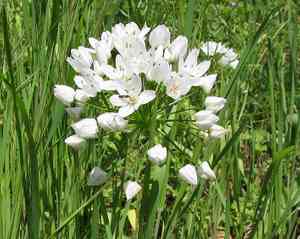
Naples garlic (Allium neapolitanum)
Also known as: Neapolitan Garlic, Naples Garlic, Ornamental Onion
Naples garlic, scientifically named Allium neapolitanum, is named after the Italian city of Naples, located in its native Mediterranean region. This plant is cherished for its clusters of star-shaped white flowers, making it a favored choice for ornamental use in gardens. Ideal for groundcover, beds, and borders, Naples garlic is also valued for attracting butterflies, thereby supporting local pollinator populations.
Attributes of Naples garlic
Images of Naples garlic
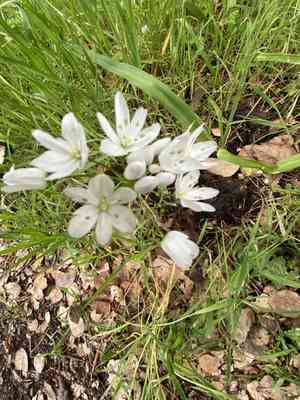
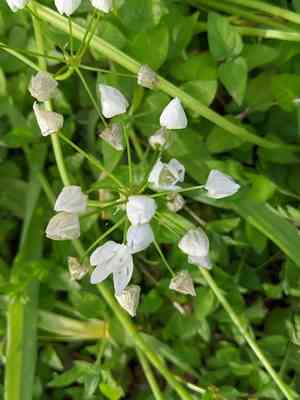
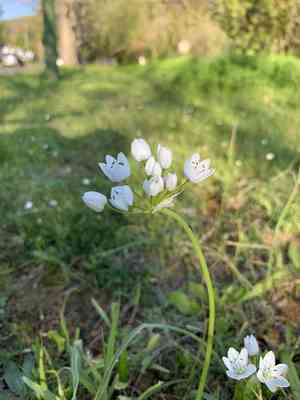
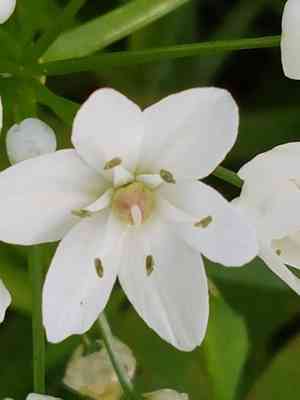
Quickly Identify Naples garlic
Scientific Classification of Naples garlic
Planting and Growing of Naples garlic
 How to Water Naples garlic?
 What Are the Sunlight Requirements for Naples garlic?
 What Is the Ideal Temperature Range for Naples garlic?
 What Soil is Best for Naples garlic?
 How to Fertilize Naples garlic?
 How to Prune Naples garlic?
 How to Propagate Naples garlic plant?
 How to Repot Naples garlic plant?
Toxicity of Naples garlic
Is Naples garlic toxic to humans?
Naples garlic exhibits a mild level of toxicity for humans, capable of inducing poisoning if ingested. The entire plant is deemed toxic, and consumption can result in various symptoms. Those who consume portions of naples garlic may suffer from gastrointestinal distress, including nausea, vomiting, and diarrhea. Furthermore, there could be indications of oral irritation, such as a burning sensation felt in the mouth that may extend to the throat. In certain instances, individuals have reported experiencing headaches and dizziness as well. It is crucial for people to exercise caution and avoid unintentional consumption of naples garlic, particularly since every part of the plant contains toxic substances. Although the toxicity is typically mild, the symptoms can be notably uncomfortable and should be taken seriously in order to avert accidental poisoning.
Is Naples garlic toxic to cat?
Allium neapolitanum, often referred to as Naples garlic, is known to have mild toxic effects on cats. Felines might unknowingly consume portions of Naples garlic, leading to poisoning since every part of the plant is harmful. After ingestion, a cat may show physical distress, including gastrointestinal disturbances or other illness-related signs. It is crucial for cat owners to keep a watchful eye on their pets and restrict their access to Naples garlic to prevent potential health complications. If a cat consumes any portion of Naples garlic, prompt veterinary assistance is vital to ensure suitable treatment and address any adverse reactions.
Is Naples garlic toxic to dog?
Allium neapolitanum, widely referred to as Naples garlic, is recognized for its mild toxic properties concerning dogs. This plant can lead to poisoning if accidentally ingested by canines. Every component of the plant, including its leaves, stems, and bulbs, is deemed toxic and represents a health hazard for dogs. Following the ingestion of Naples garlic, dogs might display symptoms like gastrointestinal distress, excessive drooling, nausea, or abdominal discomfort. It is essential for dog owners to keep a vigilant eye on their pets and restrict their access to Naples garlic to prevent unintended consumption. Should a dog ingest any part of Naples garlic, seeking prompt veterinary attention is crucial to ensure effective treatment and management of any possible poisoning.



