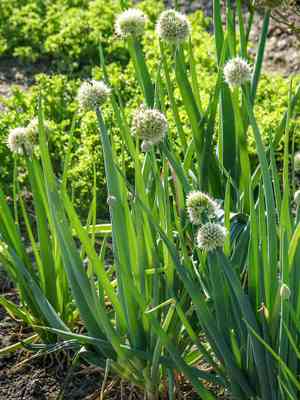
Welsh onion (Allium fistulosum)
Also known as: Bunching onion, Spring onion
The Welsh onion (Allium fistulosum) is grown for its onion-like leaves, similar to scallions. Native to Asia, it was introduced to Europe in the 17th century and has since become naturalized in parts of North America, such as Canada, Alaska, and the northern United States.
Attributes of Welsh onion
Images of Welsh onion
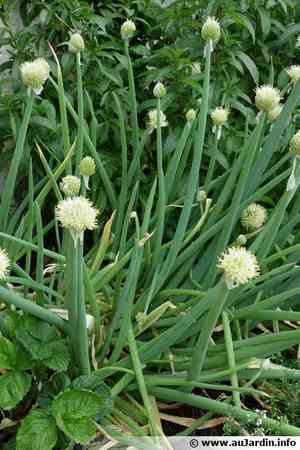
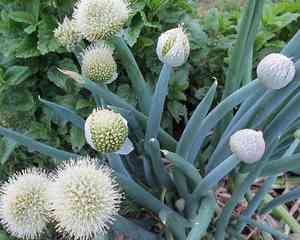
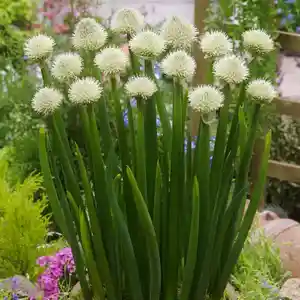
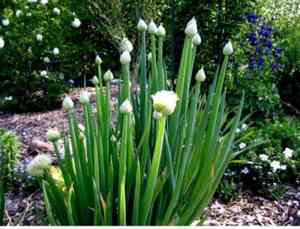
Quickly Identify Welsh onion
Scientific Classification of Welsh onion
Planting and Growing of Welsh onion
 How to Water Welsh onion?
 What Are the Sunlight Requirements for Welsh onion?
 What Is the Ideal Temperature Range for Welsh onion?
 What Soil is Best for Welsh onion?
 How to Fertilize Welsh onion?
 How to Prune Welsh onion?
 How to Propagate Welsh onion plant?
 How to Repot Welsh onion plant?
Toxicity of Welsh onion
Is Welsh onion toxic to cat?
Welsh onions exhibit a mild toxicity level for cats, presenting a risk if ingested, even inadvertently. Any part of the entire plant can lead to poisoning. Cats that come into contact with welsh onions may suffer from physical discomfort and illness, prompting their guardians to be alert for any unusual behavior or signs of distress. Seeking immediate veterinary assistance can provide rapid and appropriate care, helping to alleviate the effects of poisoning. Although the specific toxins found in welsh onions are not identified, vigilance and timely treatment are crucial.
Is Welsh onion toxic to dog?
Welsh onion presents a low-level toxicity risk for dogs. Pets may accidentally ingest parts of this plant, which can result in various health problems. The whole plant is deemed toxic and can trigger negative reactions if consumed by canines. Symptoms of toxicity in dogs can include gastrointestinal disturbances, like vomiting or diarrhea, and potentially more serious reactions depending on how much was eaten. It is essential for dog owners to keep a close eye on their pets and restrict access to welsh onion. If there is a suspicion that a dog has eaten any part of the welsh onion, it is vital to seek swift veterinary assistance to ensure the most favorable outcome.



