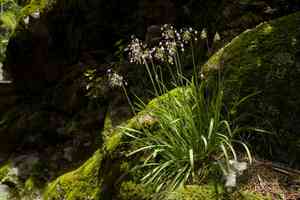
Nodding onion (Allium cernuum)
Also known as: Wild onion
The nodding onion (Allium cernuum) is native to much of North America. Crushing its leaves releases a distinct onion-like aroma. Historically, it was utilized in cooking, though it has largely fallen out of culinary use today as modern onions are preferred for their superior flavor.
In This Article
Attributes of Nodding onion
Lifespan
Perennial
Plant Type
Herb
Plant Height
51 cm
Spread
2.5 cm to 30 cm
Leaf Color
Green
Flower Size
2.5 cm
Flower Color
Pink White Purple Mauve
Images of Nodding onion
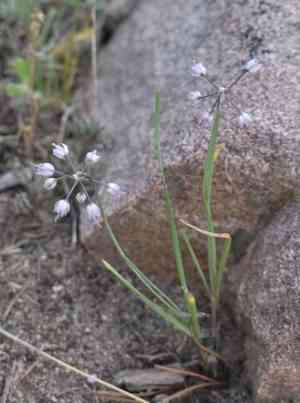
Quickly Identify Nodding onion
1
Slender, arching foliage distinguishes nodding onion from other plants.
2
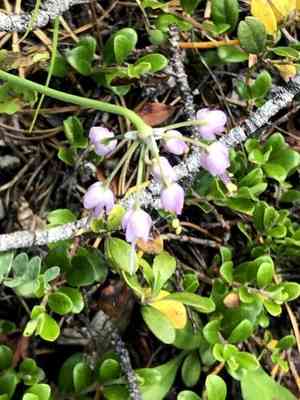
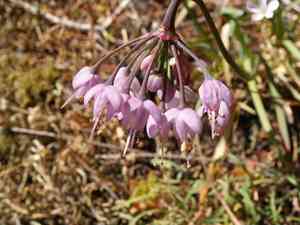
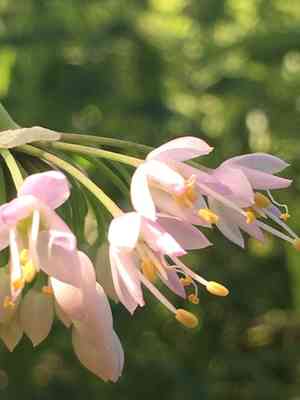
Distinct pendulous arrangement of bell-shaped flowers in pink, lavender, or white.
3
Fruit undergoes dramatic opening to reveal glistening black seeds.
4
Linear, basal leaves with smooth margins and parallel venation aid identification.
5
Light green to reddish-green smooth stem with no branching, 1-2 feet (30-60 cm) tall.
Scientific Classification of Nodding onion
Phylum
Vascular plants
Class
Monocotyledons
Order
Asparagales
Family
Amaryllis
Genus
Onions
Species
Nodding onion
Planting and Growing of Nodding onion
Care Difficulty
Easy
Watering Schedule
Every 3 days
Sunlight Requirements
Partial sun
Sunshine Duration
4-6 hours
Ideal Temperature
60-75℉
Soil Type
Potting Mix, Peat Mix
Soil pH
6.5-7.5
Fertilizer Type
Balanced
Pruning Season
Spring, Summer
Pruning Area
Branches, Leaves
Pruning Frequency
2 times a year
Repotting Season
Spring
Pot Type
Plastic, Ceramic
 How to Water Nodding onion?
Allium cernuum, commonly known as nodding onion, requires moderate watering. When watering, ensure the soil is moist but not waterlogged. You should aim for about 250 ml of water per session, enough to reach the plant's roots but not so much that it sits in water. The key is to maintain consistent moisture, especially during its growing season.
What are the symptoms of an underwatered Nodding onion?
›
What should I do if my Nodding onion is not getting enough water?
›
What are the symptoms of an overwatered Nodding onion?
›
How to save an overwatered Nodding onion?
›
 What Are the Sunlight Requirements for Nodding onion?
Partial to full sunlight is ideal for Allium cernuum, ensuring a balance of photosynthesis and hydration, fostering prolific blooming and sturdy leaf formation.
More About Sunlight Requirements Techniques→
How much light does Allium cernuum need ideally?
›
What are the solutions to provide ideal lighting for Allium cernuum?
›
What are the benefits if Allium cernuum receives ideal lighting?
›
 What Is the Ideal Temperature Range for Nodding onion?
The ideal temperature range for growing Allium cernuum is between 60°F and 75°F. In this range, the plant thrives and shows optimal growth, blooming beautifully and maintaining strong health. The mild to warm temperatures support its metabolic processes efficiently without inducing heat stress or cold stress, ensuring that nutrient and water uptake are at their peak.
 What Soil is Best for Nodding onion?
Allium cernuum flourishes in well-drained soil that prevents waterlogging, ensuring roots are not suffocated. This soil condition encourages robust growth and reduces susceptibility to root rot. A soil with moderate fertility is ideal, providing the essential nutrients without overwhelming the plant. Proper nutrient balance fosters healthy foliage and vigorous flowering. While drainage is crucial, a soil that retains adequate moisture is beneficial during dry spells, keeping the plant hydrated and supporting continuous development.
 How to Fertilize Nodding onion?
For Allium cernuum, it is crucial to apply a balanced fertilizer to ensure optimal growth. Typically, using a 10-10-10 NPK fertilizer, you can employ about 1 tablespoon per square foot of soil. This precise measurement helps in maintaining healthy plant growth without leading to nutrient imbalances.
 How to Prune Nodding onion?
Begin by using clean and sharp pruning shears. Trim away any dead or discolored leaves close to the base. Remove spent flower heads when they fade, cutting the flower stalks back to the base. This process not only tidies the plant's appearance but also allocates energy towards bulb development. While pruning, aim to limit damage to the leaves, as they're essential for photosynthesis. Ensure to disinfect your tools before and after pruning to prevent disease transmission.
More About Pruning Techniques→
 How to Propagate Nodding onion plant?
1
Start with acquiring quality seeds from a reputable source. Soak the seeds overnight to enhance germination rates. This step helps to soften the seed coat, allowing for easier sprouting.
2
Fill the seed tray with a well-draining potting mix. Sow the Allium cernuum seeds on the surface and lightly cover them with soil. Ensure the tray is kept in a warm, sunny location for optimal germination.
3
In early spring, use a garden fork or spade to gently lift the clumps of Allium cernuum. Carefully separate the bulbs and plant them at the same depth they were growing before, ensuring adequate space for growth.
 How to Repot Nodding onion plant?
1
Repotting Allium cernuum is best done when you notice the plant is outgrowing its current container, particularly if bulbs are crowded or water isn't draining efficiently. Signs include stunted growth and root-bound conditions. Spring or early summer is an ideal time as the plant enters its active growth phase.
2
Select a pot that is one size larger than the current container, with good drainage holes. This prevents waterlogging and accommodates root expansion. A clay pot is ideal as it allows for better moisture control, promoting healthier root systems and preventing rot.
3
Use a well-draining potting mix, ideally one that combines composted organic matter and sand or perlite for aeration. This type of soil ensures that the plant's roots get sufficient air flow, helping to prevent the common issue of root rot due to overwatering.
Learn More About Nodding onion Diseases
Anthracnose
Bacterial Leaf Spot
Bacterial Soft Rot
Bacterial Wilt
Chemical Injury
Damping-off
Downy Mildew
Drought Stress
Fusarium Wilt
Gray Mold
Leaf Spot
Mosaic
Nutrient Deficiency
Nutrient Toxicity
Powdery Mildew
Root Rot
Root-knot Nematode
Rusts
Sooty Mold
Spider Mites
Temperature Stress
Thrips Damage
White Mold



