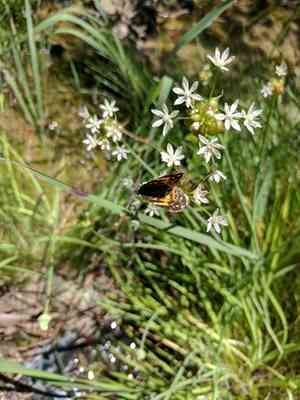
Wild garlic (Allium canadense)
Also known as: Wild onion, Canadian garlic
Garlic chives (Allium tuberosum) are a perennial herb commonly grown in North American gardens. Known for their strong onion-like smell and garlic flavor, they are a popular culinary choice. However, they can lead to indigestion in young children or with chronic ingestion.
Attributes of Wild garlic
Images of Wild garlic
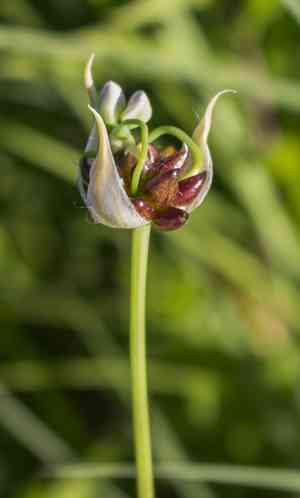
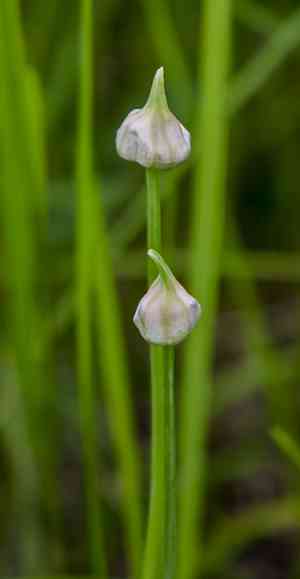
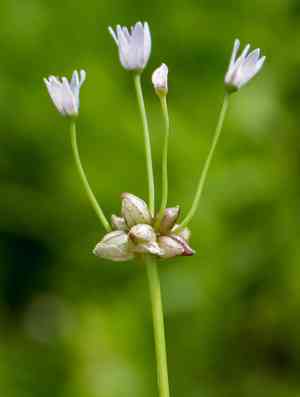
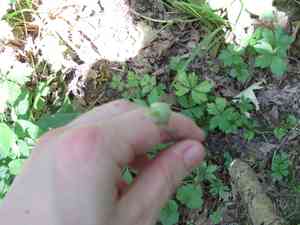
Quickly Identify Wild garlic
Scientific Classification of Wild garlic
Planting and Growing of Wild garlic
 How to Water Wild garlic?
 What Are the Sunlight Requirements for Wild garlic?
 What Is the Ideal Temperature Range for Wild garlic?
 What Soil is Best for Wild garlic?
 How to Fertilize Wild garlic?
 How to Prune Wild garlic?
 How to Propagate Wild garlic plant?
 How to Repot Wild garlic plant?
Toxicity of Wild garlic
Is Wild garlic toxic to humans?
When fully matured, wild garlic emits a potent aroma akin to garlic and onion, which can be alluring to both children and unsuspecting adults alike. Every part of this plant contains sulfides that can be detrimental to human health if consumed. The ingestion of wild garlic typically leads to a range of digestive disturbances, including indigestion, nausea, vomiting, and severe colic. It is essential to keep children and individuals with cognitive impairments away from this plant.
Is Wild garlic toxic to cat?
Wild garlic is known to be toxic to cats. If cats happen to ingest any portion of wild garlic, whether it be flowers, fruits, leaves, roots, seeds, or stems, they are at risk of poisoning. Affected cats may show a range of symptoms that point to physical distress, which can also indicate a disturbance in their usual bodily functions. Given the serious implications of such situations, it is crucial to seek prompt veterinary assistance to ensure that affected felines receive the appropriate care and treatment. Noticing any unusual behaviors or signs of illness following exposure to wild garlic should be regarded as an urgent matter.
Is Wild garlic toxic to dog?
Wild garlic is recognized as a toxic species harmful to dogs. Accidental ingestion of this plant can lead to poisoning in dogs. The toxic components of wild garlic encompass its flowers, fruits, leaves, roots, seeds, and stems; therefore, consuming any portion of the plant could result in potential toxicity. The symptoms of poisoning in dogs can vary widely and may include gastrointestinal distress, lethargy, and more severe reactions depending on the quantity ingested. It is essential for dog owners to diligently watch over their pets and restrict their access to wild garlic. If there is any suspicion that a dog has consumed any part of wild garlic, seeking immediate veterinary assistance is vital to ensure the best possible outcome for the animal.



