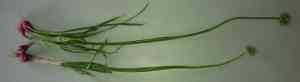
Wild onion (Allium ascalonicum)
Also known as: Shallot
The shallot was once classified under the species name A. ascalonicum. This name is now regarded as a synonym, with the currently accepted classification being Allium cepa var. aggregatum.
In This Article
Attributes of Wild onion
Lifespan
Perennial
Plant Type
Herb
Plant Height
30-50 cm
Spread
Not applicable
Leaf Color
Green
Flower Size
1-2 cm
Flower Color
Pink to purple
Images of Wild onion
Quickly Identify Wild onion
1
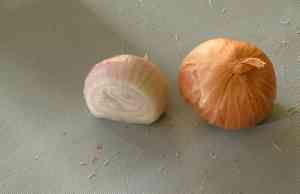
Shallots can be identified by their small, elongated bulbs that are typically covered in a thin, papery skin. The bulbs have multiple cloves, similar to garlic, and the leaves are green and tubular, similar to those of onions.
Scientific Classification of Wild onion
Phylum
Vascular plants
Class
Monocotyledons
Order
Asparagales
Family
Amaryllis
Genus
Onions
Species
Wild onion
Planting and Growing of Wild onion
Care Difficulty
Easy
Watering Schedule
Every 2 days
Sunlight Requirements
Full sun
Sunshine Duration
4-6 hours
Ideal Temperature
60-75℉
Soil Type
Potting Mix, Peat Mix
Soil pH
6.5-7.5
Fertilizer Type
Balanced
Pruning Season
Spring, Summer
Pruning Area
Branches, Leaves
Pruning Frequency
2 times a year
Repotting Season
Spring
Pot Type
Plastic, Ceramic
 How to Water Wild onion?
When watering Allium ascalonicum, aim for around 250 milliliters per session. The goal is to moisten the soil adequately without waterlogging it. Make sure the topsoil is dry before watering again, ensuring adequate drainage.
What are the symptoms of an underwatered Wild onion?
›
What should I do if my Wild onion is not getting enough water?
›
What are the symptoms of an overwatered Wild onion?
›
How to save an overwatered Wild onion?
›
 What Are the Sunlight Requirements for Wild onion?
Partial to full sunlight conditions are most beneficial for Allium ascalonicum. Such exposure maximizes photosynthesis, bolstering nutrient uptake and bulb growth, while enhancing plant robustness and disease resistance.
What is the ideal light exposure for Allium ascalonicum?
›
How can you ensure Allium ascalonicum receives ideal light?
›
What are the benefits of ideal lighting for Allium ascalonicum?
›
 What Is the Ideal Temperature Range for Wild onion?
The ideal temperature range for growing Allium ascalonicum, commonly known as shallots, is between 60°F and 75°F. Within this range, the plant can perform photosynthesis efficiently and utilize nutrients optimally. The moderate temperatures contribute to a healthy growth rate and help the shallots develop flavorful bulbs.
 What Soil is Best for Wild onion?
Allium ascalonicum thrives best in nutrient-rich soil, as it provides essential minerals that promote healthy growth and enhance flavor. This type of soil ensures the bulbs develop fully and maintain their delicate taste and texture. The plant requires soil with excellent drainage to prevent waterlogging, which can cause root rot. Well-drained soil keeps the roots healthy and allows for efficient nutrient uptake, thus ensuring vigorous growth. A soil pH between 6.5 and 7.5 is ideal for Allium ascalonicum. This pH range allows optimal nutrient availability, ensuring that the plant can absorb the essential elements needed to flourish.
 How to Fertilize Wild onion?
When fertilizing Allium ascalonicum, use a balanced 10-10-10 liquid fertilizer diluted to half strength. Each application should provide approximately 100 ml per plant, ensuring nutrients are properly absorbed without causing harm.
 How to Prune Wild onion?
Begin by identifying any yellow or dried-out leaves, which can be removed to redirect energy to healthier parts of the plant. Cut close to the base without damaging the surrounding leaves. Regularly inspect the plant and remove any flower stalks as soon as they appear, as flowering can signal the plant to stop growing bulbs.
More About Pruning Techniques→
 How to Propagate Wild onion plant?
1
Select healthy Allium bulbs for division. Inspect the bulbs for any signs of disease or damage and ensure they are free from any rot. Begin the process by carefully lifting the bulbs from the soil using a garden fork.
2
Using a sharp knife or shears, carefully separate the bulbs into smaller sections, ensuring each section has at least one growing point intact. Handle the bulbs gently to avoid damaging their delicate roots.
3
Plant the divided sections in well-draining soil in your garden. Ensure they are spaced adequately to allow for growth. Water the newly planted bulbs lightly but avoid overwatering, which might cause rotting.
 How to Repot Wild onion plant?
1
Repotting Allium ascalonicum, commonly known as shallot, is best done when you notice roots growing out of the drainage holes or when the bulb clusters have grown too big for the pot. This usually happens every 2-3 years. You'll know it's time when the soil looks exhausted and water drains too quickly.
2
Select a pot that is about 2 inches larger in diameter than the current one to give the root system space to expand. Ensure it has ample drainage holes to prevent root rot. A wider rather than deeper pot is ideal for shallots to allow their bulbous roots to expand sideways.
3
Use well-draining loamy soil enriched with organic matter. This type of soil provides all the nutrients your shallots need while ensuring excess water drains away, preventing bulb rot. Mix some perlite to enhance aeration and drainage further.
Toxicity
ingestion
WARNING
The judgment on toxicity and danger is for reference only. We DO NOT GUARANTEE any accuracy of such judgment. Therefore, you SHALL NOT rely on such judgment. It is IMPORTANT TO SEEK PROFESSIONAL ADVICE in advance when necessary.



