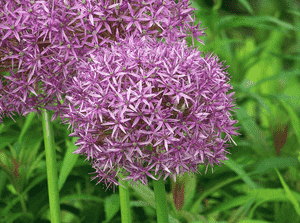
Broadleaf wild leek (Allium ampeloprasum)
Also known as: Elephant garlic, Pearl onion
Allium ampeloprasum, a member of the onion genus, produces several well-known vegetables including leeks, pearl onions, salad leek, Persian leek, and elephant garlic.
Attributes of Broadleaf wild leek
Images of Broadleaf wild leek
Quickly Identify Broadleaf wild leek
Scientific Classification of Broadleaf wild leek
Planting and Growing of Broadleaf wild leek
 How to Water Broadleaf wild leek?
 What Are the Sunlight Requirements for Broadleaf wild leek?
 What Is the Ideal Temperature Range for Broadleaf wild leek?
 What Soil is Best for Broadleaf wild leek?
 How to Fertilize Broadleaf wild leek?
 How to Prune Broadleaf wild leek?
 How to Propagate Broadleaf wild leek plant?
 How to Repot Broadleaf wild leek plant?
Toxicity of Broadleaf wild leek
Is Broadleaf wild leek toxic to humans?
Mature broadleaf wild leek emits a potent garlicky and onion-like aroma, which can attract the curiosity of children and even unsuspecting adults. This plant contains sulfides, which are known to lead to various types of gastrointestinal disturbances such as indigestion, nausea, vomiting, and severe colic. Individuals with sensitivity to sulfides, as well as small children or those who have consumed large amounts of this plant, are likely to experience more severe reactions. It is crucial that they receive medical attention without delay. To ensure the safety of all, broadleaf wild leek should be eradicated if it takes root in your garden.
Is Broadleaf wild leek toxic to cat?
Regardless of whether it is consumed in its raw form or after being cooked, the broadleaf wild leek (Allium ampeloprasum) poses a significant risk of severe reactions in cats. While the plant's aroma may deter some felines, those that choose to nibble on any part of it could face various symptoms such as nausea, diarrhea, vomiting, decreased appetite, mouth irritation, lethargy, and excessive drooling. A distinctly strong onion-like odor is frequently noticeable on the breath, as well as in urine and feces. The potential for broadleaf wild leek poisoning can lead to serious health concerns if substantial quantities are ingested, so it is essential to seek veterinary assistance immediately if you suspect your cat has consumed this plant.
Is Broadleaf wild leek toxic to dog?
The broadleaf wild leek, similar to its Allium family members such as onions, garlic, and chives, poses a moderate toxicity risk to dogs. This widely cultivated plant is incorporated into various culinary dishes, providing dogs with frequent opportunities for contact with it. Every part of the broadleaf wild leek contains substances that can harm a dog's red blood cells. Consequently, this can result in symptoms like fatigue, anemia, and discolored urine. Although coma and death can occur, they are uncommon, as a significant quantity must be consumed for such severe effects to manifest.



