Allamanda (Allamanda)(Allamanda)

Allamanda (Allamanda) (Allamanda)

Also known as: Yellow Bell, Golden Trumpet, Buttercup Flower

Allamanda plants encompass a variety of tropical, evergreen vines, shrubs, and trees. They are particularly noted for their large, eye-catching flowers, typically in bright yellow hues, though some species may exhibit pink or purple blooms. Frequently cultivated as ornamental plants, they are popular in tropical gardens and can also be grown indoors in temperate climates. Allamandas thrive in sunny locations and are often found in disturbed areas like roadsides, ditches, and cleared lands. Due to their rapid growth and colonization capabilities, they are considered invasive in certain tropical regions, including parts of Australia.

Attributes of Allamanda (Allamanda)

Lifespan
Perennial
Plant Height
2 m
Spread
1.3 m
Leaf Color
Green
Flower Size
5 - 10 cm
Flower Color
Yellow

ForwardPlant - Identify plants with a snap

Identify and diagnose plants, get toxicity alerts, and explore safety guides for all types of fungi.

Try for Free

Images of Allamanda (Allamanda)

Allamanda (Allamanda)(Allamanda)

Quickly Identify Allamanda (Allamanda)

1
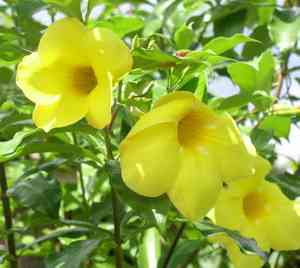
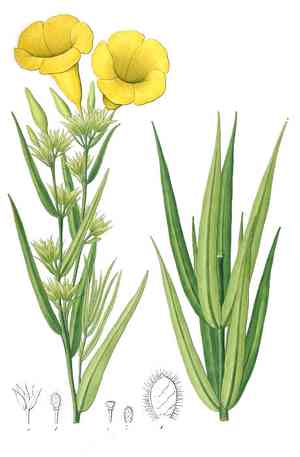
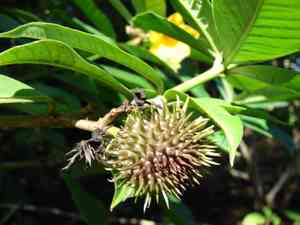
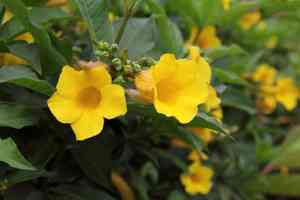
Allamanda can be identified by its large, trumpet-shaped, bright yellow flowers, glossy green leaves, and vining growth habit. Look for clusters of flowers that bloom throughout the summer.

Scientific Classification of Allamanda (Allamanda)

Phylum
Magnoliophyta
Class
Magnoliopsida
Order
Gentianales
Family
Apocynaceae
Genus
Allamanda

Planting and Growing of Allamanda (Allamanda)

Care Difficulty
Moderate
Watering Schedule
Every 4 days
Sunlight Requirements
Full sun
Sunshine Duration
6-10 hours
Ideal Temperature
68-86℉
Soil Type
Potting Mix, Peat Mix
Soil pH
6.5-7.5
Fertilizer Type
Balanced
Pruning Season
Spring, Summer
Pruning Area
Branches, Leaves
Pruning Frequency
2 times a year
Repotting Season
Spring
Pot Type
Plastic, Ceramic

water icon How to Water Allamanda (Allamanda)?

Allamanda, also known as golden trumpet, thrives when its soil is kept consistently moist but not waterlogged. The general rule of thumb is to water until the soil is saturated, which usually requires about 250 ml per watering for a medium-sized pot. Ensure that excess water drains well to avoid root rot.
What are the symptoms of an underwatered Allamanda (Allamanda)?
What should I do if my Allamanda (Allamanda) is not getting enough water?
What are the symptoms of an overwatered Allamanda (Allamanda)?
How to save an overwatered Allamanda (Allamanda)?

sunlight icon What Are the Sunlight Requirements for Allamanda (Allamanda)?

Sunlight Requirements: Full sun
Duration of light: 6 to 8 hours
Allamanda ideally requires full sun exposure, translating to at least six hours of bright light daily. This condition supports vigorous growth, lush foliage, and abundant flowering.
Importance of Full Sun
Solution for Ideal Sunlight
Benefits of Optimal Lighting

temperature icon What Is the Ideal Temperature Range for Allamanda (Allamanda)?

Ideal Temperature: 68 ~ 86℉
For optimal growth, Allamanda thrives in temperatures between 68°F and 86°F. Within this range, the plant exhibits optimal metabolic rates, leading to vigorous growth and vibrant flowering. It is crucial to maintain these temperatures consistently to allow the plant to exhibit its best characteristics.

soil icon What Soil is Best for Allamanda (Allamanda)?

Soil type: Sandy soil, Loam, Sandy loam
Soil PH: 6.5 ~ 7.5
Allamanda thrives in well-draining soil. This is crucial because it prevents waterlogging that can lead to root rot. Well-draining soil ensures that the roots have access to necessary air and resources while preventing harmful conditions. The result is a healthier, more robust plant with vibrant blooms. The plant enjoys nutrient-rich soil, which provides essential minerals and organic matter crucial for its growth. Nutrients like nitrogen, phosphorus, and potassium ensure lush foliage and prolific flowering, making the plant not just survive, but truly flourish. While Allamanda prefers moist soil, it is important not to over-water. Moderate soil moisture means that the plant has sufficient water without the risk of fungal issues. Maintaining this balance ensures healthy growth and prevents stress on the plant.

fertilize icon How to Fertilize Allamanda (Allamanda)?

Fertilizer type: Balanced
Allamanda requires a balanced approach to fertilization. Use a liquid fertilizer diluted to half strength every 2 weeks during the growing season. This helps avoid over-fertilization which can harm the plant.

prune icon How to Prune Allamanda (Allamanda)?

Pruning Time: Spring, Summer, Autumn
Ensure your pruning tools are sharp to make clean cuts that minimize damage to the plant. Dull tools can crush stems, leading to disease or slow healing. While it's tempting to cut back heavily, remember that Allamanda needs its leaves to photosynthesize and stay healthy. Aim to remove no more than one-third of the plant at a time. Allamanda produces a milky sap that can irritate the skin. It's advisable to wear gloves during pruning to protect yourself and wash your hands thoroughly afterward.

propagate icon How to Propagate Allamanda (Allamanda) plant?

Propagate Time: Spring, Summer
1
Select healthy, disease-free stems and cut just below a node. Ensure each cutting is about 4 to 6 inches long and remove leaves from the lower half to reduce respiration and water loss during the rooting process.
2
Fill seedling trays with a mixture of peat and perlite for good drainage. This medium should be moistened before inserting the cuttings to create a conducive environment for root development.
3
For seed propagation, sow Allamanda seeds in a similar peat-perlite mixture. Cover lightly with soil and keep in a warm, well-lit environment. Regular misting may be necessary to maintain humidity levels.

repot icon How to Repot Allamanda (Allamanda) plant?

Repotting frequency: Every 2-3 years
1
Allamanda should be repotted when roots start crowding the pot or visibly emerging from drainage holes, indicating limited space for growth. This typically occurs every 2-3 years, ideally during the growing season to minimize stress.
2
Select a pot that is one size larger than the current one. It should have drainage holes to prevent waterlogging. The benefits include sufficient root space and prevention of overwatering, ensuring the plant remains healthy and vibrant.
3
Choose well-draining soil, often a mix containing peat, perlite, and sand. This mix keeps roots aerated and prevents water retention, reducing the risk of root rot and promoting healthy, sustainable growth.

ForwardPlant - Identify plants with a snap

Find the best spots for them to optimize their health, simply using your phone.

Try for Free

Toxicity

Ingestion or contact with sap

Identify toxic plants for your safety

Learn which plants are harmful to you and your pets, and make informed choices for a safer home!

Try for Free
WARNING
The judgment on toxicity and danger is for reference only. We DO NOT GUARANTEE any accuracy of such judgment. Therefore, you SHALL NOT rely on such judgment. It is IMPORTANT TO SEEK PROFESSIONAL ADVICE in advance when necessary.