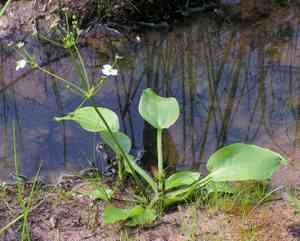
Alisma (Alisma) (Alisma)
Also known as: Water Plantain
Vallisneria is a genus of perennial aquatic plants featuring leaves that either remain submerged or float in freshwater environments. These plants produce distinctive curved flowers arranged in tight whorls. Unlike some plants with mythological associations, Vallisneria is primarily known for its role in aquatic ecosystems.
In This Article
Attributes of Alisma (Alisma)
Lifespan
Perennial
Plant Height
30 to 90 cm (12 to 36 inches)
Spread
Not applicable; these plants do not form traditional crowns.
Leaf Color
Green
Flower Size
0.3 to 1 cm (0.1 to 0.4 inches)
Flower Color
White Pink
Images of Alisma (Alisma)
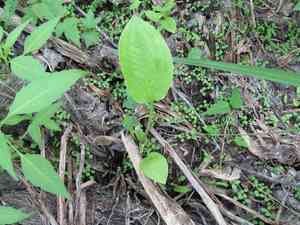
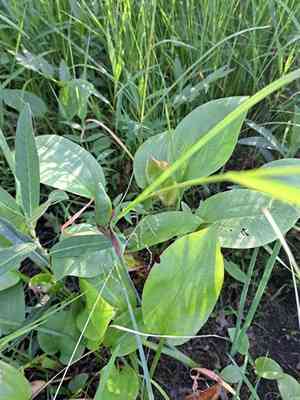
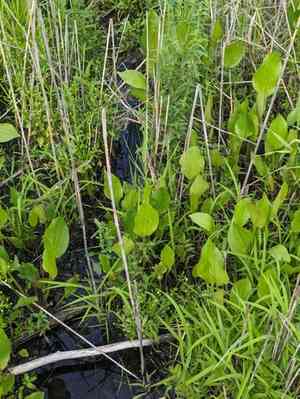
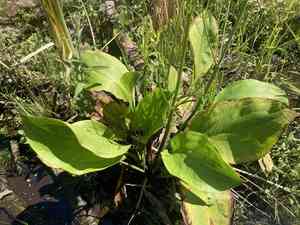
Quickly Identify Alisma (Alisma)
1
Identify Alisma by its basal rosette of lance-shaped leaves, which can sometimes float on water. The plant produces small, white to pinkish flowers arranged in branching clusters.
Scientific Classification of Alisma (Alisma)
Phylum
Angiosperms
Class
Liliopsida
Order
Alismatales
Family
Alismataceae
Genus
Alisma
Planting and Growing of Alisma (Alisma)
Care Difficulty
Moderate
Watering Schedule
Every 6 days
Sunlight Requirements
Full sun
Sunshine Duration
6-10 hours
Ideal Temperature
68-77℉
Soil Type
Potting Mix, Peat Mix
Soil pH
6.5-7.5
Fertilizer Type
Balanced
Pruning Season
Spring, Summer
Pruning Area
Branches, Leaves
Pruning Frequency
2 times a year
Repotting Season
Spring
Pot Type
Plastic, Ceramic
 How to Water Alisma (Alisma)?
For Alisma, the watering should be sufficient but not excessive, ensuring the soil is moist but not waterlogged. Alisma naturally grows in wet environments, so keep that in mind. Typically, about 500 ml of water is adequate to sustain its moist habitat preferences, making sure the top layer of soil appears damp but not soaked.
What are the symptoms of an underwatered Alisma (Alisma)?
›
What should I do if my Alisma (Alisma) is not getting enough water?
›
What are the symptoms of an overwatered Alisma (Alisma)?
›
How to save an overwatered Alisma (Alisma)?
›
 What Are the Sunlight Requirements for Alisma (Alisma)?
Alisma's ideal light range is full sun to partial sun. This range supports vigorous growth and optimal health, ensuring the plant harnesses sufficient energy for photosynthesis, leading to robust development and improved resilience against environmental stress.
What is the best lighting condition for Alisma?
›
How to achieve ideal lighting for Alisma?
›
What are the benefits of ideal lighting for Alisma?
›
 What Is the Ideal Temperature Range for Alisma (Alisma)?
The ideal temperature range for the growth of Alisma is between 68°F and 77°F. Within this range, the plant can perform essential physiological processes effectively, leading to healthy growth. Maintaining temperatures in this range ensures optimal enzymatic activity and metabolic rates necessary for robust plant development.
 What Soil is Best for Alisma (Alisma)?
Alisma thrives in nutrient-rich loam that provides essential minerals, fostering robust growth and vibrant foliage. The loam's water-retaining properties help to maintain consistent moisture levels, vital for optimal health. Consistent moisture is critical for Alisma. The soil should retain moisture without becoming waterlogged, promoting steady absorption of nutrients, which is crucial for healthy blooming and resistance to drought stress. While moisture is key, the soil must also be well-drained to prevent root rot. Proper drainage ensures that excess water escapes, a balance that helps Alisma to develop a strong root system.
 How to Fertilize Alisma (Alisma)?
For Alisma, the fertilizer amount depends on the type used. For liquid fertilizers, use a diluted solution at half the recommended strength every two weeks. Solid fertilizers, like a balanced NPK 10-10-10 slow-release granular fertilizer, should be applied at approximately 20 grams per square meter, three times a year. Ensure not to over-fertilize as it can harm the plant's growth.
 How to Prune Alisma (Alisma)?
Begin by identifying any dead or yellowing leaves that require removal. Use clean and sharp pruning shears to snip these leaves off at their base, ensuring not to damage the plant's healthy tissue. If flowers have bloomed, consider removing spent blooms to direct energy towards fresh growth. Maintain a neat shape to encourage a bushier appearance, which contributes to a more robust structure.
 How to Propagate Alisma (Alisma) plant?
1
Collect seeds from mature Alisma plants. Ensure they are dry before storing or planting. Seed collection should occur when the seed heads turn brown, indicating maturity. Use a paper bag to shake the seeds loose from the plant.
2
Prepare a well-draining soil mix in seed trays or pots. Alisma prefers moist conditions, but the soil should not be waterlogged. A blend of loam and sand or a specialized seed-starting mix enhances successful germination.
3
During early summer, dig around the base of Alisma to extract the rhizomes. Gently pull them apart into sections, ensuring each segment has a healthy root system and a minimum of one growth bud. Replant immediately to prevent drying out.
 How to Repot Alisma (Alisma) plant?
1
Alisma should be repotted when you notice roots crowding the pot, sluggish growth, or if the water drains too quickly or too slowly. These signs indicate the plant is requesting more space to expand, making it the ideal time to consider repotting to refresh its living conditions.
2
Select a pot that is one size larger than the current one, with ample drainage holes. This allows excess water to escape, helping to prevent root rot and promote healthy growth. A slightly larger pot provides Alisma with plenty of space to spread its roots, which can enhance nutrient absorption.
3
Opt for loamy soil that is well-drained to ensure your Alisma thrives. A well-draining medium prevents the plant from sitting in water, reducing the risk of root rot, while loamy texture provides ample nutrients and retains enough moisture for the plant's needs.

