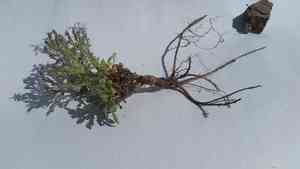
Sticky gilia (Aliciella pinnatifida)
Also known as: None
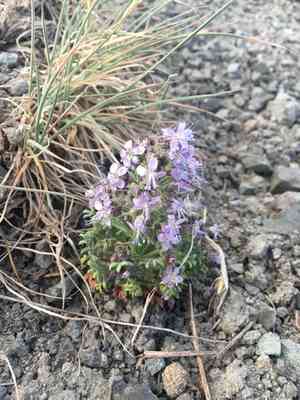
Sticky gilia (Aliciella pinnatifida) is a resilient perennial herb known for its finely divided, feathery leaves, tailored for survival in dry conditions. It typically inhabits gravelly or sandy soils, where its deep taproot system enables it to tap into limited water supplies. Blooming with small, pink to violet trumpet-shaped flowers, this plant thrives in arid environments, demonstrating significant drought tolerance.
In This Article
Attributes of Sticky gilia
Lifespan
Perennial
Plant Type
Herb
Plant Height
0 mm to 91 cm
Spread
Typically does not form a crown; spread is minimal and plant tends to be more upright.
Leaf Color
Green
Flower Size
Approximately 1 cm
Flower Color
Pink to magenta
Images of Sticky gilia
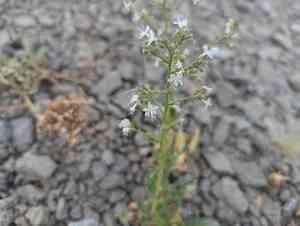
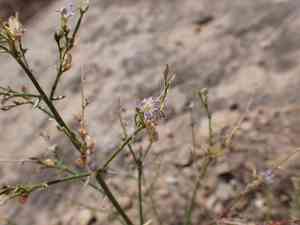
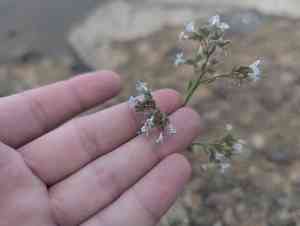
Quickly Identify Sticky gilia
1
Look for finely divided, pinnatifid leaves and clusters of small, vibrant flowers. The leaves are sticky to the touch due to glandular hairs. The flowers are typically pink to magenta and have a tubular shape.
Scientific Classification of Sticky gilia
Phylum
Vascular plants
Class
Dicotyledons
Order
Ericales
Family
Phlox
Genus
Aliciella
Species
Sticky gilia
Planting and Growing of Sticky gilia
Care Difficulty
Moderate
Watering Schedule
Every 3 days
Sunlight Requirements
Full sun
Sunshine Duration
6-10 hours
Ideal Temperature
50-75℉
Soil Type
Potting Mix, Peat Mix
Soil pH
6.5-7.5
Fertilizer Type
Balanced
Pruning Season
Spring, Summer
Pruning Area
Branches, Leaves
Pruning Frequency
2 times a year
Repotting Season
Spring
Pot Type
Ceramic, Plastic
 How to Water Sticky gilia?
For Aliciella pinnatifida, it's essential to provide a moderate amount of water, roughly 250 ml per watering session. The soil should be moistened evenly, but ensure not to water to the point of saturation. The plant thrives on a balance – not too dry, yet not too soggy. Water until you see moisture at the bottom of the pot, but avoid letting the plant sit in standing water.
What are the symptoms of an underwatered Sticky gilia?
›
What should I do if my Sticky gilia is not getting enough water?
›
What are the symptoms of an overwatered Sticky gilia?
›
How to save an overwatered Sticky gilia?
›
 What Are the Sunlight Requirements for Sticky gilia?
Aliciella pinnatifida ideally requires full sun to partial sun, approximately 6 to 8 hours of sunlight daily. This light range supports vigorous blooming and robust health, providing the energy necessary for photosynthesis and reducing the risk of nutrient deficiencies.
How much light does Aliciella pinnatifida ideally require?
›
What solutions can be implemented to provide ideal lighting for Aliciella pinnatifida?
›
What benefits does the plant gain from ideal lighting conditions?
›
 What Is the Ideal Temperature Range for Sticky gilia?
For the optimal growth of Aliciella pinnatifida, maintaining an ideal temperature range between 50°F and 75°F is recommended. This range supports healthy growth and maximizes nutritional absorption for robust development.
 What Soil is Best for Sticky gilia?
Aliciella pinnatifida thrives in well-draining soil to prevent root rot and ensure healthy growth. Good drainage allows for optimal oxygen flow to the roots, which is crucial for its survival. This plant is adapted to nutrient-poor soils, reducing competition with other plants. This allows it to access sunlight and space to grow effectively without being overshadowed. The plant tolerates low organic matter, which means it doesn’t require rich soils to flourish. This is ideal for gardeners looking to cultivate tough and low-maintenance plants.
 How to Fertilize Sticky gilia?
For Aliciella pinnatifida, applying the right amount of fertilizer is crucial. Too little won't support its growth, while too much can harm it. Usually, a balanced 10-10-10 liquid fertilizer at half strength is recommended every two weeks during its growing season. For slow-release fertilizer, use about a tablespoon per plant, making sure not to let the pellets touch the stem directly.
 How to Prune Sticky gilia?
Begin by identifying dead, damaged, or diseased branches. Look for discoloration or lack of leaves as signs that these stems should be removed to maintain the overall health of the plant. When making cuts, aim for a 45-degree angle just above a healthy leaf node or bud. This technique encourages new growth and helps water to run off the cut surface, reducing disease risk. Gradually thin out crowded sections of the plant to improve air circulation and light penetration. This helps in reducing pest infestation and encourages robust growth. Pinch or cut off spent flowers regularly to encourage the plant to produce more blooms. Deadheading redirects the plant’s energy from seed production to new growth and flowering.
More About Pruning Techniques→
 How to Propagate Sticky gilia plant?
1
Select healthy and mature seeds. Soak the seeds overnight in warm water to help soften the seed coat, improving germination rates by allowing moisture to penetrate more easily.
2
For cuttings, choose non-flowering stems that are healthy. Make a 4-6 inch cutting just below a node. Remove lower leaves to minimize water loss and dip the cut end in rooting hormone.
3
Plant the seeds or cuttings in a mix of equal parts peat and perlite. Water thoroughly but do not overwater. Cover cuttings with a plastic bag to maintain humidity but ensure good ventilation.
 How to Repot Sticky gilia plant?
1
Repotting is necessary when Aliciella pinnatifida shows signs of being root-bound, such as roots emerging from the drainage holes or its foliage becoming stunted. Carry out repotting in either spring or autumn for optimal recovery and growth.
2
Select a pot that's slightly larger than the current one, with ample drainage holes to prevent waterlogging. A pot one to two inches wider will suffice, allowing room for growth while minimizing the risk of over-watering. A clay pot can help absorb excess moisture.
3
Use a well-draining cactus mix, which mimics the plant's natural habitat and prevents root rot. This soil type combines sand, perlite, or pumice to ensure excellent drainage, crucial for a plant adapted to arid conditions.
Learn More About Sticky gilia Diseases
Anthracnose
Bacterial Leaf Spot
Bacterial Soft Rot
Bacterial Wilt
Black Spot
Chemical Injury
Crown Gall
Cyst Nematode
Damping-off
Downy Mildew
Drought Stress
Fusarium Wilt
Gray Mold
Leaf Spot
Mosaic
Nutrient Deficiency
Nutrient Toxicity
Powdery Mildew
Root Rot
Root-knot Nematode
Rusts
Sooty Mold
Spider Mites
Temperature Stress
Thrips Damage
White Mold


