Aldrovanda (Aldrovanda) (Aldrovanda)
Also known as: Waterwheel Plant
Aldrovanda is a unique genus of carnivorous aquatic plants known for its rapid snap-trap mechanism. It primarily feeds on small aquatic invertebrates and has evolved minimal root systems, with most nutrition absorbed through its leaves.
In This Article
Attributes of Aldrovanda (Aldrovanda)
Lifespan
Perennial
Plant Height
5-25 cm
Spread
N/A - as it is an aquatic plant with a spreading habit
Leaf Color
Green
Flower Size
Approximately 0.5-1 cm
Flower Color
White or pale pink
Images of Aldrovanda (Aldrovanda)
Quickly Identify Aldrovanda (Aldrovanda)
1
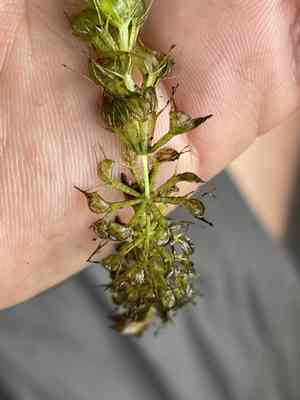
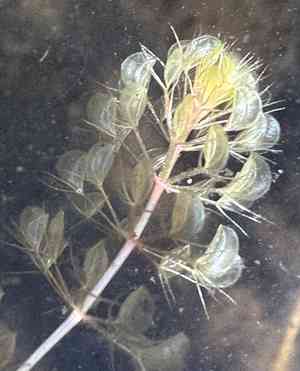
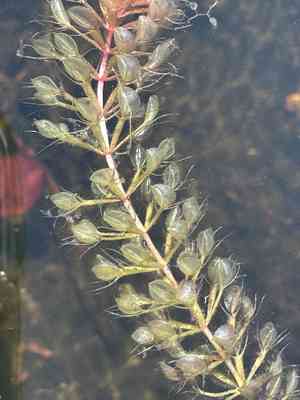
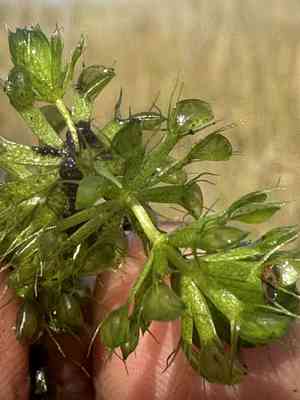
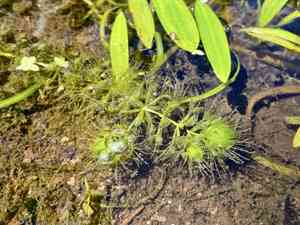
Look for floating, free-floating stems with whorls of trap leaves. The traps resemble those of the Venus flytrap but are smaller and operate underwater. The plant\'s stem is slender, and the whorls are usually situated at regular intervals.
Scientific Classification of Aldrovanda (Aldrovanda)
Phylum
Tracheophyta
Class
Magnoliopsida
Order
Caryophyllales
Family
Droseraceae
Genus
Aldrovanda
Planting and Growing of Aldrovanda (Aldrovanda)
Care Difficulty
Hard
Sunlight Requirements
Partial sun
Sunshine Duration
6-12 hours
Ideal Temperature
72-82℉
Soil Type
Potting Mix, Peat Mix
Soil pH
4.5-6.5
Fertilizer Type
Balanced
Pruning Season
Spring, Summer
Pruning Area
Branches, Leaves
Pruning Frequency
2 times a year
Repotting Season
Spring
Pot Type
Plastic, Ceramic
 How to Water Aldrovanda (Aldrovanda)?
Aldrovanda, commonly known as the waterwheel plant, doesn't require traditional soil-based watering. Instead, it absorbs moisture directly from its aquatic environment, meaning there's no need for standard watering practices.
What are the symptoms of an underwatered Aldrovanda (Aldrovanda)?
›
What should I do if my Aldrovanda (Aldrovanda) is not getting enough water?
›
What are the symptoms of an overwatered Aldrovanda (Aldrovanda)?
›
How to save an overwatered Aldrovanda (Aldrovanda)?
›
 What Are the Sunlight Requirements for Aldrovanda (Aldrovanda)?
Partial sun offers Aldrovanda the light necessary for optimum growth. This range ensures the plant's photosynthetic rate remains efficient and supports robust health, trapping capability, and reproduction.
How much sunlight does Aldrovanda need?
›
What is the best way to provide ideal sunlight?
›
What are the benefits of ideal conditions?
›
 What Is the Ideal Temperature Range for Aldrovanda (Aldrovanda)?
The ideal temperature range for cultivating Aldrovanda is between 72°F and 82°F. This range is perfect for maintaining active growth as it mimics the plant's natural habitat. At this temperature, the metabolic processes are optimized, promoting healthy development and upkeep.
 What Soil is Best for Aldrovanda (Aldrovanda)?
Aldrovanda thrives in soils with excellent moisture retention like peat, which simulates its natural, aquatic environments. Retaining moisture ensures the plant remains hydrated, which is crucial for its survival and nutrient absorption. The plant requires soils low in nutrient content as it primarily derives nutrients from its prey. Peat is ideal as it is naturally nutrient-poor, preventing nutrient overload, which can harm the plant. Aldrovanda prefers acidic conditions, which peat soil provides. Acidic soil helps in mimicking the plant's natural habitat and enhances nutrient uptake from its carnivorous activities.
 How to Fertilize Aldrovanda (Aldrovanda)?
For Aldrovanda, which thrives in nutrient-poor environments, it's important to apply a very diluted fertilizer solution. One-fourth of the recommended strength for standard aquatic plants is often sufficient to avoid burning the plant.
 How to Prune Aldrovanda (Aldrovanda)?
Start by carefully observing your Aldrovanda plant, looking for any dead or decaying leaves and stems. These often appear brown or mushy, as opposed to the healthy green parts. It's important to remove these to prevent rot and encourage new growth. Submerge your hands and tools carefully in the water to reach the plant with minimal disturbance. Use your tools to snip away the identified parts at their base. Be precise and take care not to disturb the healthy parts of the plant. Remove the cuttings from the water promptly to prevent any fungal infections or algae growth, which can be triggered by rotting plant matter left in the aquatic environment.
 How to Propagate Aldrovanda (Aldrovanda) plant?
1
For seed propagation, collect mature seeds from the plant. For cuttings, use sharp scissors to cut a healthy segment from the plant. Ensure the cutting is at least a few inches long.
2
Use distilled water or rainwater in a container as the growing medium. Aldrovanda thrives in low-nutrient, acidic water, so avoid using tap water that may contain minerals.
3
For seeds, sow them directly into the water. For cuttings, submerge them halfway in the water. Ensure adequate light exposure without direct sunlight overheating the water.
 How to Repot Aldrovanda (Aldrovanda) plant?
1
Repot Aldrovanda when you notice overcrowding in its aquatic environment, which typically shows as dense, tangled growth or reduced vigor. Spring and summer offer ideal conditions as the plant actively grows, making adaptation seamless.
2
Aldrovanda thrives in open water containers rather than traditional pots, like shallow aquariums or wide bowls. Opt for transparency to allow ample light penetration, enhancing photosynthesis and energy production. This setup mimics the plant's natural habitat, fostering robust growth.
3
Select soil mimicking the plant's native conditions, primarily sphagnum moss and sand. This substrate ensures water purity and lowers mineral content, simulating natural nutrient-deprived environments. Such soil prevents mineral buildup, maintaining root health and encouraging growth.

