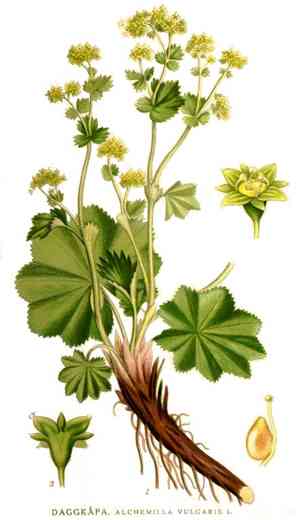
Lady's mantles (Alchemilla) (Alchemilla)
Also known as: Lady's Mantle, Lion's Foot
Lady's mantle is a diverse genus with many species, often cultivated for their ornamental value. Among these, Alchemilla vulgaris and Alchemilla mollis are notable for being used to brew a popular herbal tea that tastes somewhat like green tea. Additionally, one species is utilized locally for creating a green fabric dye. However, it's important to manage their growth carefully, as they have the potential to become invasive.
In This Article
Attributes of Lady's mantles (Alchemilla)
Lifespan
Perennial
Plant Height
25 cm
Spread
25 cm
Leaf Color
Green
Flower Size
0.2-0.3 centimeters
Flower Color
Yellow-green
Images of Lady's mantles (Alchemilla)
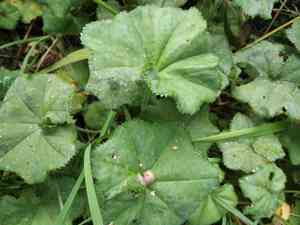
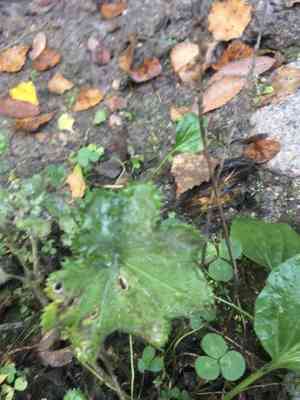
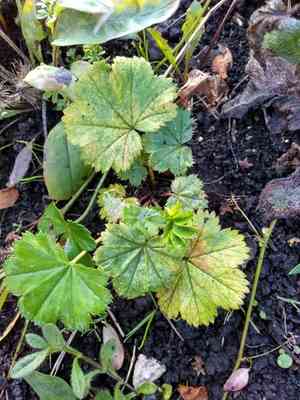
Quickly Identify Lady's mantles (Alchemilla)
1
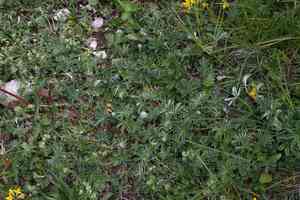
Look for soft, lobed, fan-like leaves that can catch water droplets. The flowers are small and yellow-green, forming clusters at the top of the plants.
Scientific Classification of Lady's mantles (Alchemilla)
Phylum
Magnoliophyta
Class
Magnoliopsida
Order
Rosales
Family
Rosaceae
Genus
Alchemilla
Planting and Growing of Lady's mantles (Alchemilla)
Care Difficulty
Easy
Watering Schedule
Every 3 days
Sunlight Requirements
Partial sun
Sunshine Duration
4-8 hours
Ideal Temperature
60-70℉
Soil Type
Potting Mix, Peat Mix
Soil pH
5-7.5
Fertilizer Type
Balanced
Pruning Season
Spring, Summer
Pruning Area
Branches, Leaves
Pruning Frequency
2 times a year
Repotting Season
Spring
Pot Type
Plastic, Ceramic
 How to Water Lady's mantles (Alchemilla)?
Alchemilla plants prefer moderate watering. The goal is to keep the soil consistently moist but not waterlogged. Ensure the top inch of the soil is dry before watering again, to prevent root rot and maintain healthy plant growth.
What are the symptoms of an underwatered Lady's mantles (Alchemilla)?
›
What should I do if my Lady's mantles (Alchemilla) is not getting enough water?
›
What are the symptoms of an overwatered Lady's mantles (Alchemilla)?
›
How to save an overwatered Lady's mantles (Alchemilla)?
›
 What Are the Sunlight Requirements for Lady's mantles (Alchemilla)?
Alchemilla prefers partial sun, which allows for about 3 to 6 hours of sunlight. Ideal lighting encourages healthy growth, vibrant leaf color, and enhances its decorative appeal in semi-shaded garden areas.
What is the best lighting for Alchemilla?
›
What solutions can be applied to achieve ideal lighting?
›
What are the benefits of ideal lighting conditions for Alchemilla?
›
 What Is the Ideal Temperature Range for Lady's mantles (Alchemilla)?
The ideal temperature range for the growth of Alchemilla is between 60°F and 70°F. This range allows the plant to thrive and perform essential physiological processes efficiently. Maintaining temperatures within this range helps ensure healthy foliage and optimal flowering.
 What Soil is Best for Lady's mantles (Alchemilla)?
Alchemilla thrives in well-draining soils that prevent waterlogging, which is crucial for avoiding root rot. This kind of soil allows the roots to access oxygen efficiently and enhances the plant's overall growth. While Alchemilla requires good drainage, it also benefits from soil that retains adequate moisture. This balance ensures the plant remains hydrated without sitting in water, promoting lush foliage and vibrant blooms. Alchemilla enjoys soils enriched with organic matter, providing necessary nutrients that support its vigorous growth and flowering. Compost and well-rotted manure can be added to meet these nutrient needs.
 How to Fertilize Lady's mantles (Alchemilla)?
Alchemilla plants prefer light feeding with a focus on balanced nutrition. Use a balanced 10-10-10 NPK fertilizer. For liquid fertilization, use approximately 1 teaspoon per gallon of water, while ensuring even distribution around the plant base.
 How to Prune Lady's mantles (Alchemilla)?
The best time to prune Alchemilla is in early spring as new growth begins to emerge. Additionally, summer can be a suitable season to trim back any flowers that have gone to seed, helping the plant focus energy on producing more blooms. Ensure your gardening tools are clean and sharp before pruning. This reduces the risk of introducing disease and ensures clean cuts, which promotes quicker and healthier regrowth in the plant. While regular trimming is beneficial, avoid over-pruning as it can stress the plant. It's important to leave enough foliage to allow the plant to photosynthesize effectively, which is crucial for its overall health and vigor.
 How to Propagate Lady's mantles (Alchemilla) plant?
1
Collect seeds from healthy Alchemilla plants in late summer. Clean them to remove any residue. Store seeds in a cool, dry place until ready for spring planting. Before sowing, soak seeds in lukewarm water for about 12 hours to enhance germination rates.
2
Fill seedling trays with high-quality potting mix, moisten the soil slightly, and plant Alchemilla seeds just beneath the surface. Cover seeds thinly with soil, ensuring they have light for germination. Place the tray in a warm, sunny location with temperatures around 15-20°C (59-68°F).
3
In early spring, choose a mature Alchemilla plant with a well-defined root system. Use a garden trowel to dig around the plant and gently separate it into smaller sections, ensuring each has roots attached. Replant the divisions at the same depth they were growing originally, water thoroughly after planting.
 How to Repot Lady's mantles (Alchemilla) plant?
1
Signs that your Alchemilla needs repotting include roots growing out of the drainage holes, the plant seems top-heavy or water quickly runs through the pot. Early spring or during autumn is ideal as the plant is less stressed during these periods.
2
Opt for a pot that is one size larger than the current one. Ensure good drainage with holes at the base. This prevents waterlogging, which can lead to root rot, and provides your Alchemilla with space to grow.
3
Select a well-draining loamy soil mix, which allows adequate air and water exchange, preventing soggy soil conditions. Such soil holds nutrients well, keeping your Alchemilla healthy and vigorous.

