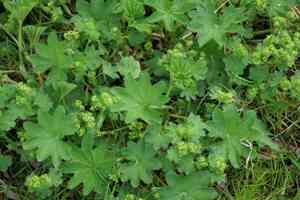
Broadtooth lady's mantle (Alchemilla subcrenata)
Also known as: Lady's Mantle, Soft Lady's Mantle
Broadtooth lady's mantle (Alchemilla mollis) is distinguished by its soft, scalloped leaves that sparkle with morning dew. This perennial is relatively low-growing, but its small, green-yellow flowers, which bloom from late spring to early summer, are quite eye-catching. It thrives in cooler, temperate zones and prefers partial to full shade. Ideal growing conditions include moist, well-drained soil, and it forms lush, ground-covering clumps. Its durability makes it a charming addition to damp, shaded garden areas.
In This Article
Attributes of Broadtooth lady's mantle
Lifespan
Perennial
Plant Type
Herb
Plant Height
10-50 cm
Spread
20-50 cm
Leaf Color
Green
Flower Size
1-3 mm
Flower Color
Yellow-green
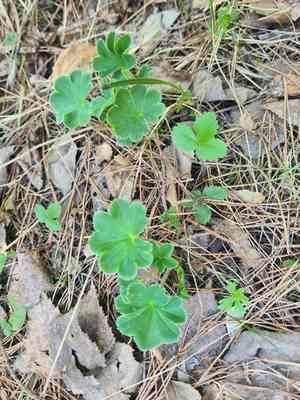
Images of Broadtooth lady's mantle
Quickly Identify Broadtooth lady's mantle
1
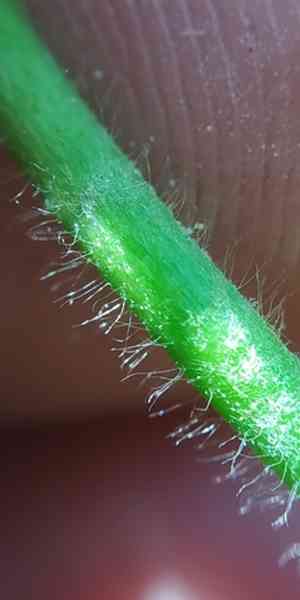
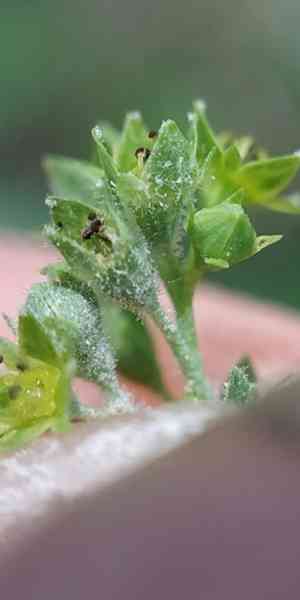
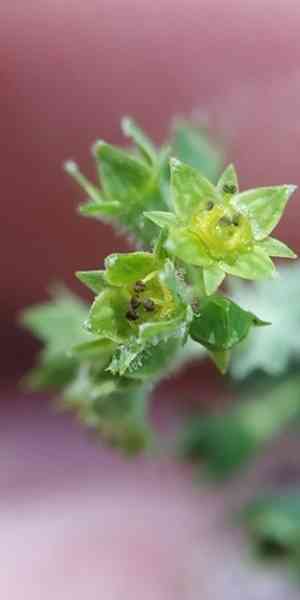
The plant can be identified by its fan-shaped, lobed leaves which are covered in tiny hairs, giving them a soft texture. The leaves collect water droplets in a characteristic manner. The flowers are small and yellow-green, growing in clusters.
Scientific Classification of Broadtooth lady's mantle
Phylum
Vascular plants
Class
Dicotyledons
Order
Rosales
Family
Rose
Genus
Lady's mantles
Species
Broadtooth lady's mantle
Planting and Growing of Broadtooth lady's mantle
Care Difficulty
Easy
Watering Schedule
Every 3 days
Sunlight Requirements
Partial sun
Sunshine Duration
4-6 hours
Ideal Temperature
50-68℉
Soil Type
Potting Mix, Peat Mix
Soil pH
6.5-7.5
Fertilizer Type
Balanced
Pruning Season
Spring, Summer
Pruning Area
Branches, Leaves
Pruning Frequency
2 times a year
Repotting Season
Spring
Pot Type
Plastic, Ceramic
 How to Water Broadtooth lady's mantle?
For Alchemilla subcrenata, it is crucial to maintain moderate soil moisture. Water around 500 milliliters per session, ensuring the soil is moist but not waterlogged. Feel the soil; if the top inch is dry, it's time to water.
What are the symptoms of an underwatered Broadtooth lady's mantle?
›
What should I do if my Broadtooth lady's mantle is not getting enough water?
›
What are the symptoms of an overwatered Broadtooth lady's mantle?
›
How to save an overwatered Broadtooth lady's mantle?
›
 What Are the Sunlight Requirements for Broadtooth lady's mantle?
Partial sun exposure is ideal, as it balances energy needs without causing harm. Ideal lighting fosters lush foliage and strong, resilient growth. By providing partial sun, you ensure Alchemilla subcrenata meets its photosynthetic requirements while preventing stress.
What is the ideal light intensity for Alchemilla subcrenata?
›
How can you ensure Alchemilla subcrenata gets optimal lighting?
›
What are the benefits of providing ideal lighting for Alchemilla subcrenata?
›
 What Is the Ideal Temperature Range for Broadtooth lady's mantle?
Alchemilla subcrenata thrives in temperatures that replicate its native habitat. The ideal temperature range of 50°F to 68°F allows for optimal growth and ensures that the metabolic processes necessary for health and vigor function efficiently. In this range, the plant can effectively perform photosynthesis, leading to healthy foliage and potential blooms.
 What Soil is Best for Broadtooth lady's mantle?
For optimal growth, Alchemilla subcrenata demands well-draining soil. This prevents waterlogging, which can cause root rot. Well-draining soil ensures that the roots have access to both air and water, promoting healthy root development. Alchemilla subcrenata thrives in nutrient-rich soil, which provides the essential nutrients necessary for vibrant foliage and robust growth. Adding organic matter like compost can enhance soil fertility, giving the plant a competitive edge in its growth cycle. Consistent moisture levels in the soil are vital for Alchemilla subcrenata. It prefers neither water-saturated conditions nor drought. Maintaining moderate soil moisture supports the plant in developing lush green leaves and helps it flourish even in warmer climates.
 How to Fertilize Broadtooth lady's mantle?
For Alchemilla subcrenata, applying too much fertilizer can harm the plant, so it's best to use a balanced liquid fertilizer at half the recommended strength. A general guideline is to use about 1/4 teaspoon per gallon of water, ensuring the soil is moist before application to avoid any root burn.
 How to Prune Broadtooth lady's mantle?
Always use sharp and clean pruning shears or scissors to make clean cuts. This reduces the risk of injury to the plant, which can lead to infections. Make cuts at a 45-degree angle just above a leaf node. This promotes new growth and helps the plant recover more quickly from pruning.
 How to Propagate Broadtooth lady's mantle plant?
1
Start by preparing a seed tray with a well-draining potting mix. Sow seeds on the surface and lightly cover them with soil. Keep the tray in a warm, bright location, but out of direct sunlight, to promote germination.
2
Select a healthy stem and cut a 4-6 inch section below a node. Remove leaves from the lower half and dip the cut end in rooting hormone. This helps in increasing the chances of successful rooting.
3
Carefully dig up the entire plant. Divide the root ball into sections ensuring each has roots and shoots. Replant divisions promptly at the same depth as the original plant.
 How to Repot Broadtooth lady's mantle plant?
1
Alchemilla subcrenata needs repotting when you notice roots crowding out drainage holes or circulating on the soil surface. Spring is ideal as the plant enters an active growth phase, ensuring quick recovery and adaptation to new potting conditions.
2
Select a pot that is one size larger than the current one and has ample drainage holes. Opt for materials like terra cotta or ceramic, which allow better air circulation. Adequate sizing prevents waterlogging, while material choice promotes root health and prevents overheating.
3
Use a soil blend that retains moisture yet drains well, such as a mix of peat, compost, and perlite. This blend provides essential nutrients while avoiding root rot, supporting the plant's preference for slightly moist conditions.
Learn More About Broadtooth lady's mantle Diseases
Anthracnose
Bacterial Leaf Spot
Bacterial Soft Rot
Crown Gall
Damping-off
Downy Mildew
Drought Stress
Fusarium Wilt
Gray Mold
Leaf Curl
Leaf Spot
Mosaic
Nutrient Deficiency
Nutrient Toxicity
Powdery Mildew
Root Rot
Root-knot Nematode
Rusts
Sooty Mold
Spider Mites
Temperature Stress
Thrips Damage
White Mold



