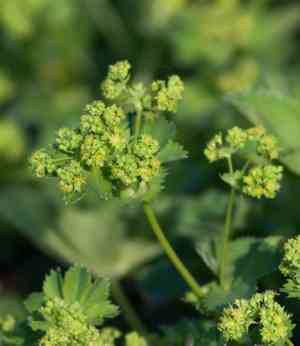
Hairy lady's mantle (Alchemilla monticola)
Also known as: Velvet lady's-mantle
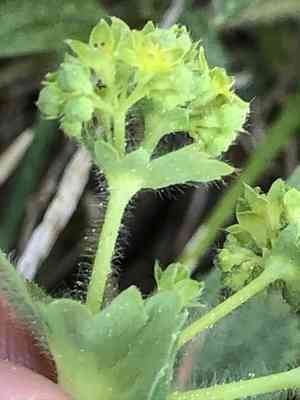
Hairy lady's mantle (Alchemilla monticola) is a species distinguishable by its dense covering of fine hairs, especially on the stem. While its flowers are popular for dried and cut floral arrangements due to their longevity, the plant poses an invasive threat in some regions. This is primarily because it aggressively self-seeds and can outcompete native plants, allowing it to spread rapidly and establish dominance in new habitats.
In This Article
Attributes of Hairy lady's mantle
Lifespan
Perennial
Plant Type
Herb
Plant Height
20 cm
Spread
10-15 cm
Leaf Color
Green
Flower Size
3-5 mm
Flower Color
Yellow Green
Images of Hairy lady's mantle
Quickly Identify Hairy lady's mantle
1
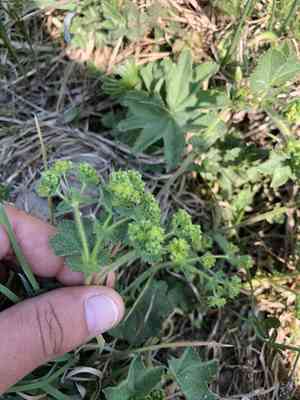
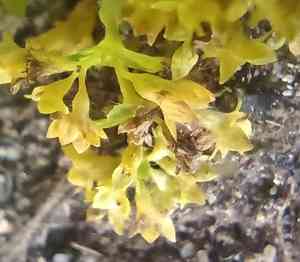
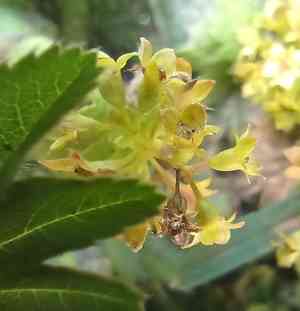
Alchemilla monticola can be identified by its palmately lobed leaves which are covered with fine, soft hairs. Its flowers are small, yellow-green, and grow in dense clusters. Look for the characteristic dewdrops that collect on the leaves in the morning, a common trait of the Alchemilla genus.
Scientific Classification of Hairy lady's mantle
Phylum
Vascular plants
Class
Dicotyledons
Order
Rosales
Family
Rose
Genus
Lady's mantles
Species
Hairy lady's mantle
Planting and Growing of Hairy lady's mantle
Care Difficulty
Easy
Watering Schedule
Every 3 days
Sunlight Requirements
Partial sun
Sunshine Duration
6-10 hours
Ideal Temperature
60-75℉
Soil Type
Potting Mix, Peat Mix
Soil pH
6.5-7.5
Fertilizer Type
Balanced
Pruning Season
Spring, Summer
Pruning Area
Branches, Leaves
Pruning Frequency
2 times a year
Repotting Season
Spring
Pot Type
Plastic, Ceramic
 How to Water Hairy lady's mantle?
For Alchemilla monticola, you should aim to water with approximately 150 milliliters during each session. The key principle here is to ensure that the soil is consistently moist but not waterlogged. Water until you see the topsoil starting to glisten or just until light droplets are visible at the drainage holes. This ensures the roots have a conducive environment for growth without being suffocated by excess water.
What are the symptoms of an underwatered Hairy lady's mantle?
›
What should I do if my Hairy lady's mantle is not getting enough water?
›
What are the symptoms of an overwatered Hairy lady's mantle?
›
How to save an overwatered Hairy lady's mantle?
›
 What Are the Sunlight Requirements for Hairy lady's mantle?
Partial sun to full shade is best for Alchemilla monticola, ensuring it avoids midday sun. Optimal light keeps its foliage lush and prevents heat stress.
What is the ideal lighting for Alchemilla monticola?
›
How can I achieve the ideal light conditions?
›
What are the benefits of ideal lighting?
›
 What Is the Ideal Temperature Range for Hairy lady's mantle?
The ideal temperature range for Alchemilla monticola is between 60°F and 75°F. Within this range, the plant can achieve optimal growth, maintaining healthy foliage and increasing its resistance to pests and diseases. This temperature range provides a balanced environment ensuring both daytime warmth and cool nighttime conditions, crucial for metabolic processes.
 What Soil is Best for Hairy lady's mantle?
Alchemilla monticola thrives in well-drained soil which helps prevent root rot by allowing excess water to quickly escape. This ensures that the roots have access to enough oxygen and helps maintain overall plant health. The plant prefers soil that has moderate levels of nutrients. Nutrient-rich soil supports healthy growth and vibrant foliage, providing the plant with necessary elements like nitrogen, phosphorus, and potassium. While the soil should be well-drained, it should also retain moisture to a certain extent to keep the plant hydrated, especially during dry spells. This ensures that Alchemilla monticola can maintain optimum growing conditions.
 How to Fertilize Hairy lady's mantle?
Alchemilla monticola, commonly known as Mountain Lady's Mantle, requires balanced fertilization. For liquid fertilizers, apply half the recommended dose on the product label to avoid root burn and nutrient runoff. Solid fertilizers should be used sparingly, around one-third of what is suggested for similar perennial plants, to maintain healthy foliage and flower production.
 How to Prune Hairy lady's mantle?
Start by using sharp, sterilized scissors or pruning shears to cut back the foliage right after the flowers have faded in summer. Make sure to trim the stems down to the base to allow for new growth. Removing spent flowers and any dead or damaged leaves will encourage more robust foliage development. A good guideline is to trim back about one-third of the plant to keep it healthy and vigorous.
More About Pruning Techniques→
 How to Propagate Hairy lady's mantle plant?
1
Collect seeds from mature Alchemilla monticola plants when the seed pods are dry. Ensure the seeds are fully ripened for optimal germination. Gently shake the dried pods over a paper to capture the seeds.
2
Prepare a well-draining soil mix by combining equal parts of potting mix, sand, and compost. This soil mix will provide the necessary nutrients and aeration for seed germination and seedling development. Ensure the soil is slightly moist but not waterlogged.
3
In early spring, dig up the mature plant carefully. Use a sharp trowel to separate clumps of roots, ensuring each piece has a good amount of roots and shoots. Replant each section immediately at the same depth they were growing previously.
 How to Repot Hairy lady's mantle plant?
1
Alchemilla monticola signals its need for repotting when its roots start to circle the pot or poke out of the drainage holes. This usually occurs every 2-3 years. Repotting during Spring or Autumn ensures the plant is not stressed by extreme temperatures during the process, allowing it to settle into its new pot more comfortably.
2
Select a pot that is just one size larger than the current one. It should have ample drainage holes to prevent waterlogging, which Alchemilla monticola dislikes. Choosing the correct pot size helps the plant allocate more energy to root development rather than excessive foliage growth, ensuring its health.
3
Opt for a well-draining potting mix with good aeration to prevent root rot and allow healthy root development. A mix containing perlite or sand enhances drainage and mimics the plant's natural alpine habitat, promoting strong growth and resilience.
Learn More About Hairy lady's mantle Diseases
Anthracnose
Bacterial Leaf Spot
Black Spot
Chemical Injury
Crown Gall
Damping-off
Downy Mildew
Drought Stress
Fusarium Wilt
Gray Mold
Leaf Curl
Leaf Spot
Mosaic
Nutrient Deficiency
Nutrient Toxicity
Powdery Mildew
Root Rot
Root-knot Nematode
Rusts
Sooty Mold
Spider Mites
Temperature Stress
Thrips Damage
White Mold



