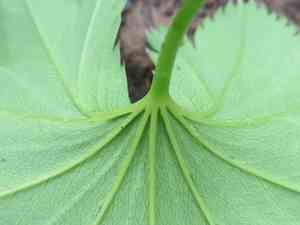
Smooth lady's mantle (Alchemilla glabra)
Also known as: Smooth lady's-mantle
Smooth lady's mantle features a compact growth habit with rounded, scalloped leaves that have a soft, velvety texture and a noticeable green luster. After rainfall, droplets often sparkle on its leaf surface, highlighting its preference for moist environments with partial to full shade. The plant produces small, yellow-green flowers in airy clusters during late spring to early summer, which attract various pollinators essential to its lifecycle.
In This Article
Attributes of Smooth lady's mantle
Lifespan
Perennial
Plant Type
Herb
Plant Height
30-50 cm
Spread
30-40 cm
Leaf Color
Green
Flower Size
0.3-0.5 cm
Flower Color
Yellow-Green
Images of Smooth lady's mantle
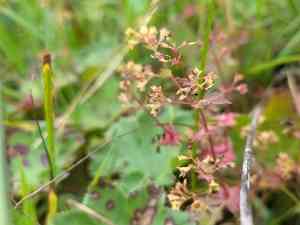
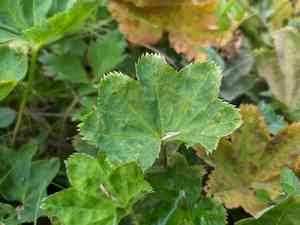
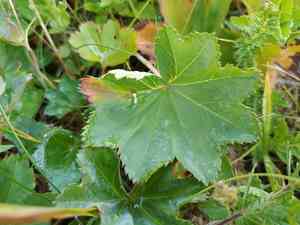
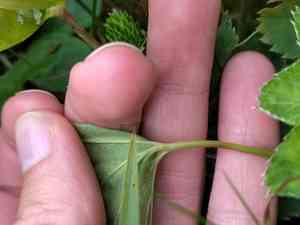
Quickly Identify Smooth lady's mantle
1
Identify Alchemilla glabra by its smooth, slightly hairy leaves with serrated edges. The leaves are palmately lobed, forming a rounded shape. The flowers are small, yellow-green, and appear in loose cymes.
Scientific Classification of Smooth lady's mantle
Phylum
Vascular plants
Class
Dicotyledons
Order
Rosales
Family
Rose
Genus
Lady's mantles
Species
Smooth lady's mantle
Planting and Growing of Smooth lady's mantle
Care Difficulty
Easy
Watering Schedule
Every 3 days
Sunlight Requirements
Partial sun
Sunshine Duration
4-8 hours
Ideal Temperature
60-75℉
Soil Type
Potting Mix, Peat Mix
Soil pH
6.5-7.5
Fertilizer Type
Balanced
Pruning Season
Spring, Summer
Pruning Area
Branches, Leaves
Pruning Frequency
2 times a year
Repotting Season
Spring
Pot Type
Plastic, Ceramic
 How to Water Smooth lady's mantle?
When watering Alchemilla glabra, it is essential to ensure that the soil remains moist but not waterlogged. Typically, a good watering amount is around 250 ml per session. This allows the water to be absorbed through the soil without leaving the roots sitting in water.
What are the symptoms of an underwatered Smooth lady's mantle?
›
What should I do if my Smooth lady's mantle is not getting enough water?
›
What are the symptoms of an overwatered Smooth lady's mantle?
›
How to save an overwatered Smooth lady's mantle?
›
 What Are the Sunlight Requirements for Smooth lady's mantle?
Alchemilla glabra thrives with partial sun to full shade exposure. Ideal sunlight helps in maintaining healthy foliage and robust growth, optimizing photosynthesis and minimizing stress.
What are the best light conditions?
›
How to ensure optimal sunlight?
›
Benefits of optimal light conditions?
›
 What Is the Ideal Temperature Range for Smooth lady's mantle?
For optimal growth, Alchemilla glabra thrives best in temperatures ranging from 60°F to 75°F. This range provides the warmth needed for healthy growth and the development of its foliage. Maintaining these temperatures can ensure the plant remains vibrant and healthy, maximizing its visual appeal and longevity.
 What Soil is Best for Smooth lady's mantle?
Alchemilla glabra thrives in well-drained soil that prevents waterlogging and root rot. Proper drainage ensures healthy growth and reduces the risk of fungal infections. This plant prefers soil with moderate nutrient levels, providing balanced nutrition without overwhelming the roots. Adequate nutrients help in sustaining lush foliage and vibrant blooms. While the soil must drain well, it should also retain sufficient moisture to keep the plant hydrated, especially during dry spells. Adequate soil moisture supports consistent growth.
 How to Fertilize Smooth lady's mantle?
Alchemilla glabra, often found in temperate regions, prefers a balanced, low-concentration fertilizer. Use one tablespoon of a balanced liquid fertilizer mixed with a gallon of water, or opt for a slow-release, granular option that provides steady nutrition over time. Adjust the amount depending on the plant’s growth stage.
 How to Prune Smooth lady's mantle?
Start by identifying and cutting away any dead or diseased leaves at the base. This not only improves the plant's appearance but also helps in preventing the spread of any potential diseases. Ensure you cut close to the base but avoid damaging the main stem. To maintain a tidy and attractive shape, trim the outer edges of the plant. Focus on overgrown or uneven areas. By doing so, you improve air circulation and sunlight penetration, encouraging denser and healthier foliage growth. After the flowering period, deadhead any withered blooms. This encourages Alchemilla glabra to focus its energy on producing new blooms rather than setting seeds, extending the flowering season and ensuring continuous beauty throughout the growing period.
More About Pruning Techniques→
 How to Propagate Smooth lady's mantle plant?
1
Harvest seeds from mature Alchemilla glabra plants once seedheads are dry. Clean the seeds to remove any debris and store them in a cool, dry place until you are ready to plant them in seed trays filled with appropriate soil.
2
Carefully remove the plant from its pot or ground. Divide the root ball into sections, ensuring each section has sufficient roots and stems. This promotes healthy growth when replanted.
3
Place seeds lightly in seed trays filled with moist soil, or replant division sections in garden beds or pots. Ensure adequate space for each section to thrive without overcrowding.
 How to Repot Smooth lady's mantle plant?
1
Alchemilla glabra should be repotted when you notice the roots are crowding the current pot, with roots peeking through drainage holes or curling at the surface. Another sign is soil that dries out too quickly, indicating it's too dense with roots. Ideally, repotting should be done during its growth period in spring or autumn to minimize stress.
2
Select a pot that's only slightly larger than the current one, with ample drainage holes. This prevents overwatering and root rot, offering just enough space for growth without overwhelming the plant. Clay pots are ideal as they help wick away moisture and are heavy enough to anchor larger plants.
3
Choose a well-draining potting mix enriched with organic material. This ensures proper air circulation and moisture retention without waterlogging, allowing Alchemilla glabra to thrive. A balanced composition with perlite or sand helps in maintaining lightness and promoting healthy root development.



