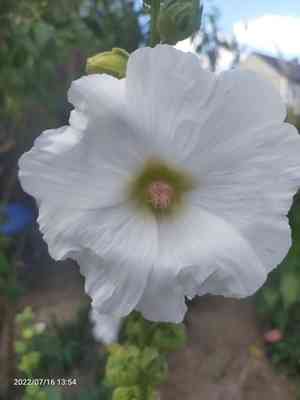
Hollyhocks (Alcea) (Alcea)
Also known as: Hollyhock
Hollyhocks (Alcea) are vibrant flowering plants from the mallow family, cherished for their striking appearance and ease of growth. They are popular garden staples, especially in Japan. Kyoto celebrates these blossoms with an annual festival known as the Aoi Matsuri. Hollyhocks are also cultivated in Western regions; in Victorian England, they symbolized fertility and prosperity.
In This Article
Attributes of Hollyhocks (Alcea)
Lifespan
Biennial
Plant Height
1.2 to 2.4 meters
Spread
Not applicable due to their upright growth form
Leaf Color
Green
Flower Size
5 to 12 cm
Flower Color
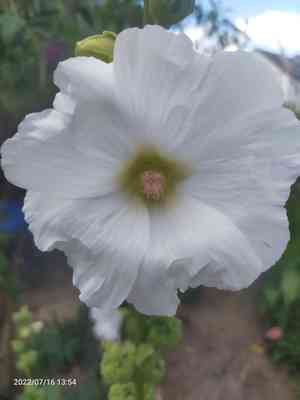
Colors vary, including pink, red, white, yellow, and purple
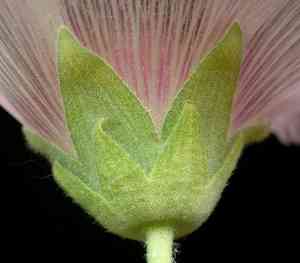
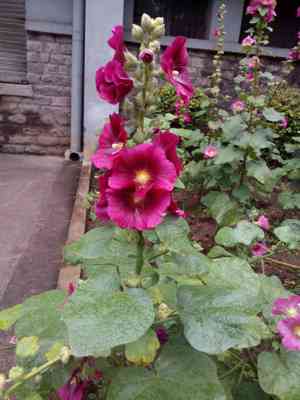
Images of Hollyhocks (Alcea)

Quickly Identify Hollyhocks (Alcea)
1
Identify Alcea by its tall spires, usually covered in large, brightly colored flowers with a central cylinder of stamens. Leaves are typically broad, palmately lobed, and coarsely toothed.
Scientific Classification of Hollyhocks (Alcea)
Phylum
Magnoliophyta
Class
Magnoliopsida
Order
Malvales
Family
Malvaceae
Genus
Alcea
Planting and Growing of Hollyhocks (Alcea)
Care Difficulty
Easy
Watering Schedule
Every 8 days
Sunlight Requirements
Full sun
Sunshine Duration
6-8 hours
Ideal Temperature
65-75℉
Soil Type
Potting Mix, Peat Mix
Soil pH
6.5-7.5
Fertilizer Type
Balanced
Pruning Season
Spring, Summer
Pruning Area
Branches, Leaves
Pruning Frequency
2 times a year
Repotting Season
Spring
Pot Type
Plastic, Terracotta
 How to Water Hollyhocks (Alcea)?
Water deeply but ensure the soil is well-draining. The ideal is to keep the soil moist without becoming waterlogged. Aim for thorough soaking that reaches the roots, observing how quickly the water drains away.
What are the symptoms of an underwatered Hollyhocks (Alcea)?
›
What should I do if my Hollyhocks (Alcea) is not getting enough water?
›
What are the symptoms of an overwatered Hollyhocks (Alcea)?
›
How to save an overwatered Hollyhocks (Alcea)?
›
 What Are the Sunlight Requirements for Hollyhocks (Alcea)?
Enjoying full sun exposure is pivotal for Alcea, harnessing its adaptability to direct light environments. Ideal sunlight ensures stronger blooms, lush foliage, and prevents nutrient deficits, vital for its phototropic nature.
Optimal Sunlight Quantity
›
Solution Details
›
Effect of Ideal Lighting
›
 What Is the Ideal Temperature Range for Hollyhocks (Alcea)?
The ideal temperature range for Alcea, between 65°F to 75°F, is crucial to ensure optimal growth and flowering. This range supports enzyme activity and photosynthesis, facilitating healthy growth and vibrant blooms. Maintaining this temperature ensures the plant's metabolic processes function smoothly and efficiently, making it resilient and thriving in its environment.
 What Soil is Best for Hollyhocks (Alcea)?
Alcea thrives in soil that drains well to prevent waterlogging, which can lead to root rot. Well-drained soil helps maintain healthy roots and ensures that the plant can access necessary nutrients efficiently. Alcea requires soil with moderate nutrient content to support its tall growth and vibrant blooms. Providing the right balance of nutrients ensures strong stems and prolonged flowering throughout the growing season. Soil that retains adequate moisture helps Alcea maintain its lush foliage and enduring flowers, especially during dry spells. Sufficient moisture is critical for overall plant health and for maintaining its striking display.
 How to Fertilize Hollyhocks (Alcea)?
For Alcea, it's important to strike a balance when it comes to fertilization. Using a nitrogen-rich liquid fertilizer, apply one teaspoon per gallon of water each time you fertilize to avoid over-fertilization while providing ample nutrients for growth.
 How to Prune Hollyhocks (Alcea)?
Begin by removing any dead or damaged flowers, cutting them back to a healthy set of leaves. Trim down taller, wayward branches to encourage a more compact shape. Ensure your tools are sharp and clean to make precise cuts and prevent any potential disease transmission. Prune spent blooms regularly to promote continuous flowering throughout the growing season. To maintain an aesthetically pleasing shape, identify overcrowded stems, especially in the center, and prune them to open up the plant. This will improve sunlight penetration and air circulation, reducing the risk of fungal issues. Always cut at a slight angle and use the right size tools to match the thickness of branches.
 How to Propagate Hollyhocks (Alcea) plant?
1
Begin by filling a seed tray with a well-draining potting mix. Sow the Alcea seeds on the surface, gently pressing them into the soil. Lightly cover the seeds and water them carefully to avoid washing them away.
2
Select healthy parts of the Alcea plant with no signs of disease for cuttings. Use pruning shears to cut 4-6 inch segments of the stem, making sure each has at least a few leaves and is free of flowers.
3
For division, carefully dig around the Alcea plant to avoid damaging roots. Split the plant into sections with intact roots and replant them immediately in well-prepared soil.
 How to Repot Hollyhocks (Alcea) plant?
1
Signs that Alcea needs repotting include roots growing out of the drainage holes or the soil appearing compacted. Look for growth stagnation as another indicator. Spring or early summer is ideal, allowing the plant to rejuvenate during its active growth phase.
2
Select a pot slightly larger than the current one, about 1-2 inches wider in diameter. Ensure it has drainage holes to prevent waterlogging, which can cause root rot. A larger pot gives roots space to expand, promoting healthier growth.
3
Opt for a well-draining loamy mix enriched with organic compost. This choice ensures adequate aeration and nutrient availability, supporting robust growth. It also helps in maintaining optimal moisture levels, crucial for preventing root issues.
Learn More About Hollyhocks (Alcea) Diseases
Anthracnose
Bacterial Leaf Spot
Bacterial Soft Rot
Bacterial Wilt
Black Spot
Chemical Injury
Crown Gall
Damping-off
Downy Mildew
Drought Stress
Fusarium Wilt
Gray Mold
Leaf Spot
Mosaic
Nutrient Deficiency
Nutrient Toxicity
Powdery Mildew
Root Rot
Root-knot Nematode
Rusts
Sooty Mold
Spider Mites
Temperature Stress
Thrips Damage
White Mold

