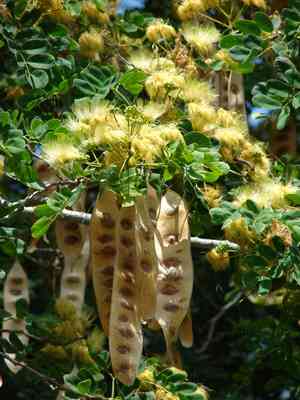
Woman's tongue(Albizia lebbeck)

Woman's tongue (Albizia lebbeck)

Also known as: Lebbeck, Kokko, Frywood, Lebbek tree

The Black Locust (Robinia pseudoacacia) is a deciduous tree that can reach heights of up to 30 meters. It features a rounded canopy and gray, cork-like bark. In the spring, it produces clusters of greenish-yellow flowers. Additionally, its wood is naturally resistant to termites, making it a popular choice for furniture and outdoor structures.

Attributes of Woman's tongue

Lifespan
Perennial
Plant Type
Tree
Plant Height
18 m to 30 m
Spread
36 m
Leaf Color
Dark green
Flower Size
3 cm to 4 cm
Flower Color
White Yellow Green

ForwardPlant - Identify plants with a snap

Identify and diagnose plants, get toxicity alerts, and explore safety guides for all types of fungi.

Try for Free

Images of Woman's tongue

Woman's tongue(Albizia lebbeck)

Quickly Identify Woman's tongue

1
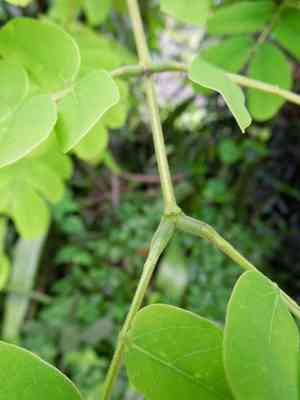
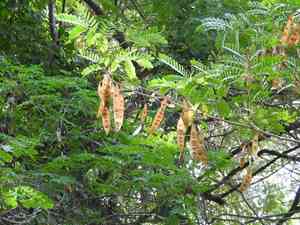
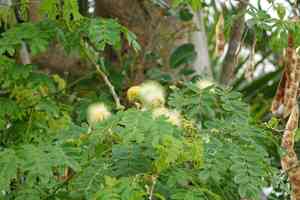
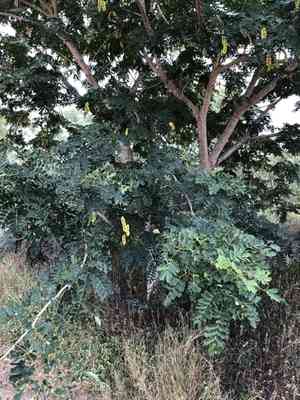
Albizia lebbeck can be identified by its broad, spreading canopy and bipinnate leaves with a feathery appearance. The flowers are creamy-white and puffball-like, with numerous long stamens, giving them a distinctive fluffy look. The seed pods are flat, thin, and leathery, usually around 15-30 cm long.

Scientific Classification of Woman's tongue

Phylum
Vascular plants
Class
Dicotyledons
Order
Fabales
Family
Legume
Genus
Silk plants
Species
Woman's tongue

Planting and Growing of Woman's tongue

Care Difficulty
Easy
Watering Schedule
Every 4 days
Sunlight Requirements
Full sun
Sunshine Duration
6-10 hours
Ideal Temperature
70-85℉
Soil Type
Potting Mix, Peat Mix
Soil pH
6.5-7.5
Fertilizer Type
Balanced
Pruning Season
Spring, Summer
Pruning Area
Branches, Leaves
Pruning Frequency
2 times a year
Repotting Season
Spring
Pot Type
Plastic, Ceramic

water icon How to Water Woman's tongue?

Albizia lebbeck requires a generous soaking, aiming to saturate the soil thoroughly until water seeps out of the drainage holes. This ensures that the roots receive ample moisture, mimicking the natural rainfall patterns of its native habitat.
What are the symptoms of an underwatered Woman's tongue?
What should I do if my Woman's tongue is not getting enough water?
What are the symptoms of an overwatered Woman's tongue?
How to save an overwatered Woman's tongue?
More About Watering Techniques

sunlight icon What Are the Sunlight Requirements for Woman's tongue?

Sunlight Requirements: Full sun, Partial sun
Duration of light: 6 to 8 hours
Albizia lebbeck thrives in full to partial sun. Proper light conditions help maintain a robust growth pattern, ensuring vibrant foliage and prolific flowering, enhancing both visual appeal and plant health.
What is the ideal lighting setup for Albizia lebbeck?
How can I achieve optimal sunlight exposure for Albizia lebbeck?
What benefits does Albizia lebbeck get from ideal light conditions?
More About Sunlight Requirements Techniques

temperature icon What Is the Ideal Temperature Range for Woman's tongue?

Ideal Temperature: 70 ~ 85℉
Maintaining Albizia lebbeck at an ideal temperature range of 70°F to 85°F ensures optimal growth and development. This warm climate allows for efficient biological processes, including photosynthesis, and nutrient uptake, leading to healthy foliage and robust flowering. Any deviation from this can hinder these processes and affect plant health.

soil icon What Soil is Best for Woman's tongue?

Soil type: Sandy loam, Loam, Calcareous soil
Soil PH: 6.5 ~ 7.5
Albizia lebbeck thrives in well-drained soils that prevent waterlogging. This enhances root aeration and prevents root rot, fostering vigorous growth and a robust structure. This plant benefits from soil rich in organic matter which provides essential nutrients. This promotes lush foliage and abundant flowering due to proper nutrition. A soil that can hold moderate moisture ensures Albizia lebbeck receives adequate hydration without excess that might suffocate roots. More About Soil

fertilize icon How to Fertilize Woman's tongue?

Fertilizer type: Balanced
For the Albizia lebbeck, it is recommended to use approximately 50 grams of liquid fertilizer per plant per application. For the slow-release fertilizer, opt for about 100 grams per application. This balance helps the tree maintain its lush foliage and robust growth. More About Fertilizing Techniques

prune icon How to Prune Woman's tongue?

Pruning Time: Spring, Summer
To prune Albizia lebbeck, begin by inspecting the tree for dead or diseased branches, which should be removed first. Use clean, sharp pruning shears for a clean cut. Next, focus on thinning crowded areas to allow better air circulation and light penetration. Trim branches that cross or rub against each other and those that grow inward. Always cut at a 45-degree angle, close to the branch collar to promote quick healing. More About Pruning Techniques

propagate icon How to Propagate Woman's tongue plant?

Propagate Time: Spring, Early summer
1
Soak the seeds in warm water for 24 hours to soften the hard outer shell, enhancing germination rates by allowing moisture to penetrate more effectively.
2
Select healthy, disease-free branches from the parent plant, ideally from the current year's growth, and make cuttings with several nodes to promote root formation.
3
Dip the cut end of the cutting into rooting hormone before planting it in a well-draining soil mix to encourage root growth and prevent rotting.
More About Propagating Techniques

repot icon How to Repot Woman's tongue plant?

Repotting frequency: Every 2-3 years
1
The ideal time to repot Albizia lebbeck is when its roots start emerging through the drainage holes, or the plant stops growing despite optimal conditions. Typically, these signs appear after 2-3 years in the same pot. Repotting during active growth seasons, like spring or summer, ensures the plant has the energy to recover swiftly from the shock of transplantation.
2
Select a pot that's 2-3 inches wider in diameter than the current one. A pot made of breathable material, like terracotta, encourages better aeration. Proper drainage is crucial, so ensure the pot has sufficient drainage holes. This prevents water logging, which could suffocate roots, causing rot.
3
Opt for a loamy, well-draining soil mix that holds moisture yet allows excess water to drain out swiftly. A mixture containing equal parts loam, sand, and compost is ideal. It offers balanced nutrients while preventing root rot by avoiding excessive water retention.

ForwardPlant - Identify plants with a snap

Find the best spots for them to optimize their health, simply using your phone.

Try for Free

Toxicity of Woman's tongue

Is Woman's tongue toxic to humans?

The woman's tongue plant exhibits a low level of toxicity to humans mainly through consumption. Each part of the plant contains saponins, which are the main toxic agents that contribute to its poisonous characteristics. Upon ingestion, these saponins may lead to various symptoms, such as nausea, vomiting, and diarrhea. Additionally, some individuals might also suffer from abdominal pain and discomfort. It is crucial to exercise caution and avoid accidental ingestion of any portion of the woman's tongue plant, as every part, from the leaves to the roots, holds the capacity to induce these harmful health effects.

Is Woman's tongue toxic to cat?

The woman's tongue plant is mildly toxic to cats. If a cat inadvertently eats any portion of the plant, it may lead to poisoning. All parts of the plant—leaves, stems, and flowers—contain harmful substances. The main toxic agents found in woman's tongue are saponins. Should a cat ingest these elements, it might display symptoms of physical distress, which can indicate the occurrence of poisoning. Prompt veterinary attention is essential to alleviate the impacts of the toxin and safeguard the health of the impacted cat.

Is Woman's tongue toxic to dog?

The woman's tongue plant presents a mild risk of toxicity to dogs. Canines may accidentally ingest parts of this plant, resulting in potential poisoning. The entirety of the plant is deemed toxic, indicating that any consumed part could lead to adverse effects. Signs of poisoning in dogs may manifest as gastrointestinal distress, including vomiting or diarrhea, and in more severe instances, reactions may vary based on the quantity ingested and the individual dog's sensitivity. The toxic properties of woman's tongue are attributed to the presence of saponins. If a dog exhibits symptoms of poisoning after consuming woman's tongue, it is crucial to seek immediate veterinary attention to ensure adequate treatment and management of the symptoms.

Identify toxic plants for your safety

Learn which plants are harmful to you and your pets, and make informed choices for a safer home!

Try for Free
WARNING
The judgment on toxicity and danger is for reference only. We DO NOT GUARANTEE any accuracy of such judgment. Therefore, you SHALL NOT rely on such judgment. It is IMPORTANT TO SEEK PROFESSIONAL ADVICE in advance when necessary.
More About Toxic Techniques