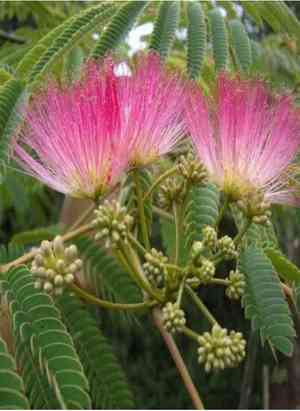
Persian silk tree (Albizia julibrissin)
Also known as: Silk Tree, Pink siris, Bastard tamarind, Nemu Tree
Albizia julibrissin, commonly known as the Persian silk tree, is a deciduous plant recognized for its distinctive pink, fluffy flowers. Often grown for its ornamental appeal, this tree's mildly fragrant blooms attract butterflies, bees, and hummingbirds.
Attributes of Persian silk tree
Images of Persian silk tree
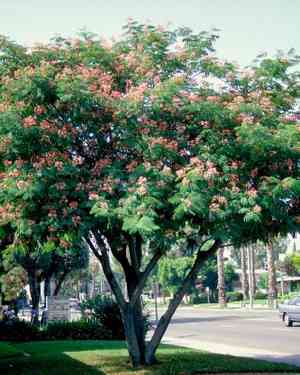
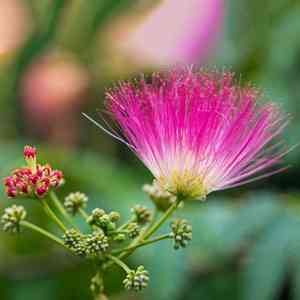
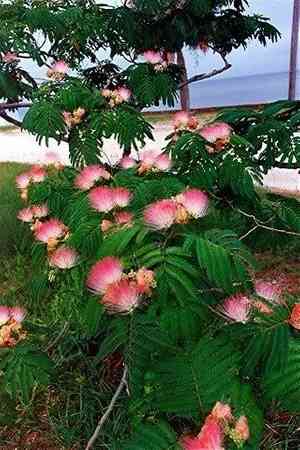
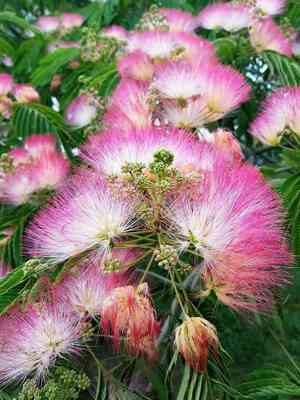
Quickly Identify Persian silk tree
Scientific Classification of Persian silk tree
Planting and Growing of Persian silk tree
 How to Water Persian silk tree?
 What Are the Sunlight Requirements for Persian silk tree?
 What Is the Ideal Temperature Range for Persian silk tree?
 What Soil is Best for Persian silk tree?
 How to Fertilize Persian silk tree?
 How to Prune Persian silk tree?
 How to Propagate Persian silk tree plant?
 How to Repot Persian silk tree plant?
Toxicity of Persian silk tree
Is Persian silk tree toxic to cat?
The Persian silk tree presents a moderate risk of toxicity to cats. When a cat consumes the seeds of the Persian silk tree, which contain harmful substances, it may display signs of physical distress. In these situations, it is essential for the cat to receive prompt attention from a veterinarian to avert any additional health issues. Cat owners must be watchful and restrict their pets' access to the seeds of this plant to prevent possible poisoning events.
Is Persian silk tree toxic to dog?
The Persian silk tree presents a moderate toxicity risk to dogs. The primary way in which dogs can experience poisoning is through the consumption of this plant. In particular, the seeds of the Persian silk tree contain toxic substances that are detrimental to canines. If a dog ingests these seeds, it may show signs indicative of poisoning. Symptoms might involve gastrointestinal distress, vomiting, diarrhea, lethargy, or potentially more severe reactions based on the quantity ingested and the dog's individual sensitivity. It is essential for dog owners to vigilantly supervise their pets and restrict their access to the seeds of the Persian silk tree. Should a dog ingest any portion of this plant and begin to exhibit poisoning symptoms, it is vital to seek immediate veterinary assistance to guarantee appropriate treatment and care.



