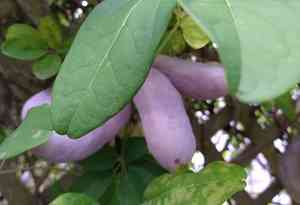
Chocolate vine (Akebia quinata)
Also known as: Five-leaf chocolate vine
The plant you're referring to is the chocolate vine (Akebia quinata). It earns its name due to the chocolate-like fragrance and the dark hue of its purplish-brown flowers, which bloom in spring. By summer, it produces eggplant-like fruits that contain edible pulp. In certain regions of North America, it is regarded as an invasive species.
In This Article
Attributes of Chocolate vine
Lifespan
Perennial
Plant Type
Vine, Shrub
Plant Height
10 m
Spread
1.8 m to 2.5 m
Leaf Color
Green Blue Purple
Flower Size
1.2 cm to 1.6 cm
Flower Color
Purple Red Pink Brown
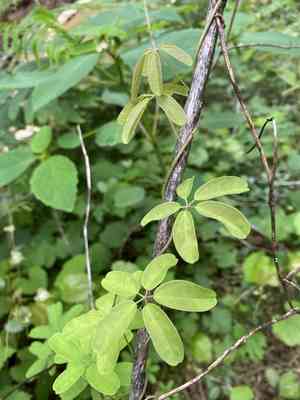
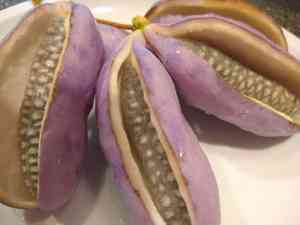
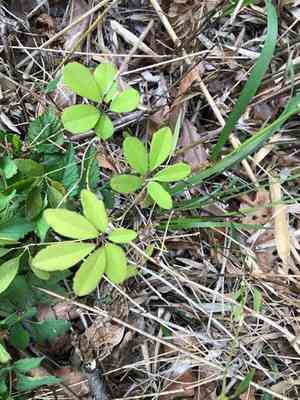
Images of Chocolate vine
Quickly Identify Chocolate vine
1
Woody twining growth up to 30 feet (9 meters)
2
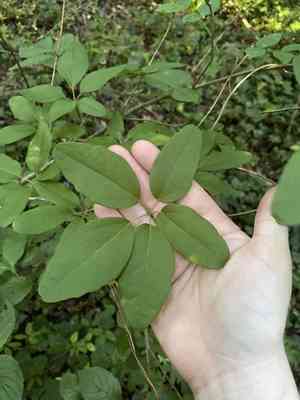
Palmately compound leaves with 5 leaflets, purple tinge
3
Fragrant purplish-brown flowers with 3 petal-like structures
4
Elongated, sausage-shaped fruit with purple skin and white flesh
5
Slender, twining stem with color change from green to brown
Scientific Classification of Chocolate vine
Phylum
Vascular plants
Class
Dicotyledons
Order
Buttercups, poppies and allies
Family
Lardizabala
Genus
Chocolate vine
Species
Chocolate vine
Planting and Growing of Chocolate vine
Care Difficulty
Easy
Watering Schedule
Every 2 days
Sunlight Requirements
Partial sun
Sunshine Duration
4-6 hours
Ideal Temperature
59-77℉
Soil Type
Potting Mix, Peat Mix
Soil pH
6.5-7.5
Fertilizer Type
Balanced
Pruning Season
Spring, Summer
Pruning Area
Branches, Leaves
Pruning Frequency
2 times a year
Repotting Season
Spring
Pot Type
Plastic, Ceramic
 How to Water Chocolate vine?
When watering Akebia quinata, aim to moisten the soil thoroughly without drowning the roots. Each watering session should involve about 500 ml of water, ensuring the soil is damp but not saturated. The goal is to maintain consistent moisture without allowing the plant to sit in waterlogged conditions.
What are the symptoms of an underwatered Chocolate vine?
›
What should I do if my Chocolate vine is not getting enough water?
›
What are the symptoms of an overwatered Chocolate vine?
›
How to save an overwatered Chocolate vine?
›
 What Are the Sunlight Requirements for Chocolate vine?
Half-day to full sun exposure is vital for Akebia quinata, promoting full foliage and fragrant flowers, thereby ensuring a robust and thriving plant.
More About Sunlight Requirements Techniques→
What is the best lighting condition for Akebia quinata?
›
How can you achieve the ideal lighting for Akebia quinata?
›
What benefits does ideal lighting provide Akebia quinata?
›
 What Is the Ideal Temperature Range for Chocolate vine?
The ideal temperature range for cultivating Akebia quinata is between 59°F and 77°F. Within this temperature range, the plant experiences optimal growth conditions, promoting healthy foliage and blooming. The temperatures support active photosynthesis and metabolic processes, essential for maintaining the plant's vigor and overall health.
 What Soil is Best for Chocolate vine?
Akebia quinata thrives in well-drained soil, preventing root rot and waterlogging. This assists in the healthy growth of roots, supporting the plant in nutrient uptake and overall development. The plant benefits from soil rich in organic matter, which improves soil texture and fertility. This organic content provides essential nutrients, fostering vigorous growth and a lush appearance. Soil with moderate moisture retention helps maintain adequate hydration without waterlogging. This balance is crucial in preventing dehydration in dry spells while avoiding excess moisture during rainy periods.
More About Soil→
 How to Fertilize Chocolate vine?
When fertilizing Akebia quinata, it is important to use a balanced fertilizer. For liquid fertilizers, use a diluted solution, about half the recommended strength, applied evenly. This ensures the plant receives all necessary nutrients without risk of nutrient burn.
 How to Prune Chocolate vine?
Begin by identifying and removing any dead, diseased, or damaged wood. Old growth can also be pruned back to encourage new shoots. Look for older branches that are less productive in terms of foliage and flowers. When making cuts, aim to cut just above a healthy bud to encourage new growth. The cuts should be clean and angled, preventing water from settling on the cut surface, which could lead to disease. Regular pruning helps control the size and shape of the plant, maintaining its desired form. Akebia quinata can become quite vigorous, so trim it back to keep it from becoming unruly and to fit the aesthetic of your landscape. Always use clean, sharp pruning tools to make precise cuts and prevent the spread of disease. Sterilize your tools before and after pruning, especially if dealing with infected plant material.
 How to Propagate Chocolate vine plant?
1
Harvest ripe seeds from fruit pods. Clean the seeds thoroughly to remove any pulp residue, which can lead to fungus or rot.
2
Choose healthy stems and cut them into sections, each with several nodes. Ensure that your cuts are clean and made at an angle to increase rooting area.
3
Choose a healthy branch and bend it down to the ground. Nick the branch slightly and cover the nicked area with soil to encourage rooting.
 How to Repot Chocolate vine plant?
1
Repot Akebia quinata when you notice roots circling the pot or coming out of drainage holes. Additionally, if the soil dries out too quickly after watering, it might be time to repot. Typically, this plant benefits from repotting every 2-3 years in early spring or autumn for optimal growth.
2
Choose a pot that's slightly larger than the current one, with sufficient drainage holes. Using a pot that's too large can lead to excess soil retaining water, which might cause root rot. A terracotta pot is a good choice as it allows excess moisture to evaporate, keeping the soil just right.
3
Opt for a well-draining loamy soil mix enriched with organic matter. This type of soil will allow roots to breathe, preventing waterlogging, while the organic content will provide essential nutrients to support vigorous growth. Avoid soils that retain too much moisture to protect the roots.
Learn More About Chocolate vine Diseases
Anthracnose
Bacterial Leaf Spot
Bacterial Soft Rot
Black Spot
Chemical Injury
Crown Gall
Damping-off
Downy Mildew
Drought Stress
Fusarium Wilt
Gray Mold
Leaf Curl
Leaf Spot
Mosaic
Nutrient Deficiency
Nutrient Toxicity
Powdery Mildew
Root Rot
Root-knot Nematode
Rusts
Sooty Mold
Spider Mites
Temperature Stress
Thrips Damage
White Mold



