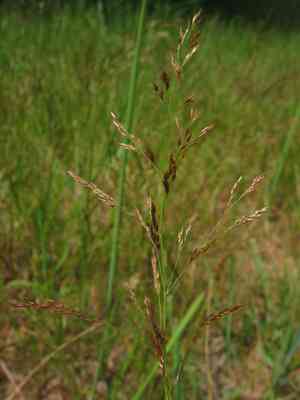
Colonial bentgrass (Agrostis capillaris)
Also known as: Common bent, Black couch, Colonial bent, Browntop bentgrass
**Kentucky Bluegrass (Poa pratensis)** hails from Eurasia and has become a favored choice globally. This grass is renowned for creating lush, attractive lawns and is a top pick for golf course turf due to its resilience and visual appeal.
In This Article
Attributes of Colonial bentgrass
Lifespan
Perennial
Plant Type
Grass
Plant Height
20 cm to 25 cm
Spread
10 cm
Leaf Color
Green
Flower Size
1 cm to 12 cm
Flower Color
Brown Yellow Purple Red
Images of Colonial bentgrass

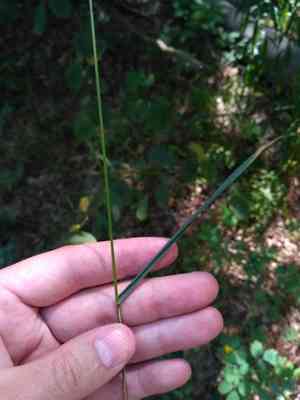
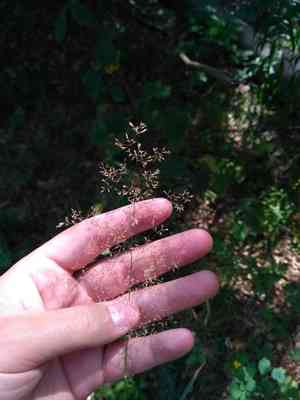
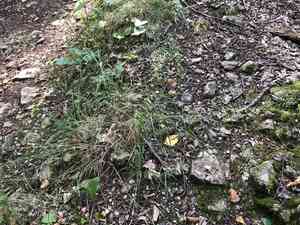
Quickly Identify Colonial bentgrass
1
Agrostis capillaris can be identified by its fine, thin leaves, and delicate, feathery flower heads. The plants often form dense, tufted swards, and the leaves are usually light green. The flower heads appear as loose, open panicles with tiny spikelets.
Scientific Classification of Colonial bentgrass
Phylum
Vascular plants
Class
Monocotyledons
Order
Poales
Family
Grass
Genus
Bentgrass
Species
Colonial bentgrass
Planting and Growing of Colonial bentgrass
Care Difficulty
Moderate
Watering Schedule
Every 2 days
Sunlight Requirements
Full sun
Sunshine Duration
4-8 hours
Ideal Temperature
59-77℉
Soil Type
Potting Mix, Peat Mix
Soil pH
6.5-7.5
Fertilizer Type
Balanced
Pruning Season
Spring, Summer
Pruning Area
Branches, Leaves
Pruning Frequency
2 times a year
Repotting Season
Spring
Pot Type
Plastic, Ceramic
 How to Water Colonial bentgrass?
Agrostis capillaris, commonly known as common bent or colonial bentgrass, requires moderate watering. It's crucial to ensure the soil is consistently moist but not waterlogged. Generally, provide about 500 milliliters of water to deeply saturate the root zone without leaving standing water.
What are the symptoms of an underwatered Colonial bentgrass?
›
What should I do if my Colonial bentgrass is not getting enough water?
›
What are the symptoms of an overwatered Colonial bentgrass?
›
How to save an overwatered Colonial bentgrass?
›
 What Are the Sunlight Requirements for Colonial bentgrass?
Agrostis capillaris prefers full to partial sun exposure. This range promotes healthy photosynthesis, resulting in lush and dense growth with vibrant foliage, enhancing the overall aesthetic and ecological benefits in its environment.
Optimal Light Hours
›
Seasonal Light Adjustments
›
Best Orientation for Light
›
 What Is the Ideal Temperature Range for Colonial bentgrass?
The ideal temperature range for Agrostis capillaris, commonly known as colonial bentgrass, is between 59°F and 77°F. This range supports optimal growth and health. The plant can perform best under these moderate temperature conditions, where metabolic processes occur efficiently.
 What Soil is Best for Colonial bentgrass?
Agrostis capillaris thrives best in soil that provides excellent drainage, preventing root rot and waterlogging. Well-drained soil helps maintain optimal moisture levels, ensuring healthy growth and vibrant color. For robust growth, Agrostis capillaris requires a nutrient-packed soil. Rich in organic matter, this soil type supports vigorous foliage and root development, making it resilient to pests and diseases. This plant does well in soils that are not overly fertile. A balanced nutrient level prevents excessive growth that can lead to disease problems, ensuring steady and manageable turf quality.
 How to Fertilize Colonial bentgrass?
For Agrostis capillaris, it's crucial to apply fertilizers conservatively due to its sensitivity. Use about 20 grams per square meter for each application to ensure balanced growth without overwhelming the plant's natural resilience.
 How to Prune Colonial bentgrass?
To prune Agrostis capillaris, start by mowing it to a uniform height of about 2-3 inches. This height provides optimal growth conditions and minimizes stress. Use a mower with sharp blades to avoid tearing the grass. Begin mowing at one edge and work systematically to ensure even coverage. If you notice thatch accumulating, it's crucial to de-thatch the lawn. Use a dethatching rake to gently remove the dead organic matter. This process allows more sunlight, air, and nutrients to reach the roots, enhancing grass vitality and growth. In spring, focus on restoring vitality after winter dormancy by trimming weekly as grass begins to rapidly grow. During summer, raise the cutting height slightly to prevent heat stress. In autumn, gradually reduce the height to prepare for dormancy.
 How to Propagate Colonial bentgrass plant?
1
Ensure the soil is well-draining and nutrient-rich. Loosen the top layer and mix in some organic compost to support seed germination and root growth during division.
2
Distribute seeds evenly over the soil surface and lightly rake them in. Maintain consistent moisture levels without waterlogging the soil until the seeds germinate.
3
Gently dig around an established plant to remove it from the ground. Carefully separate clumps into smaller sections, ensuring each has a portion of roots before replanting.
 How to Repot Colonial bentgrass plant?
1
Agrostis capillaris should be repotted when its roots start encircling the pot or growth appears stunted. Early spring or summer is an ideal time, allowing it to acclimate to new conditions as the growing season progresses.
2
Select a pot with good drainage, preferably one size larger than the current pot. A slightly wider pot provides room for root expansion, ensuring the grass can establish a robust root system, which supports healthier growth.
3
Opt for a loamy, well-draining soil mix. This blend retains adequate moisture without waterlogging, promoting root health, and providing the necessary nutrients for robust growth.


