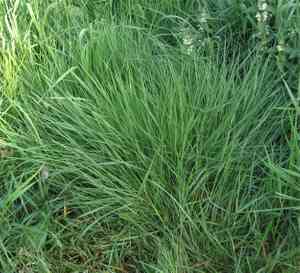
Bentgrass (Agrostis) (Agrostis)
Also known as: Bentgrass, Redtop, Rhode Island Bent
Bentgrass is a genus with numerous species distributed globally. These grasses are typically wind-pollinated and often form tufts. Their flowers are small spikelets clustered together, and they feature flat leaf blades.
In This Article
Attributes of Bentgrass (Agrostis)
Lifespan
Perennial
Plant Height
30-120 cm
Spread
Varies, generally forms dense mats
Leaf Color
Green
Flower Size
2-10 mm
Flower Color
Green, red, or purple
Images of Bentgrass (Agrostis)
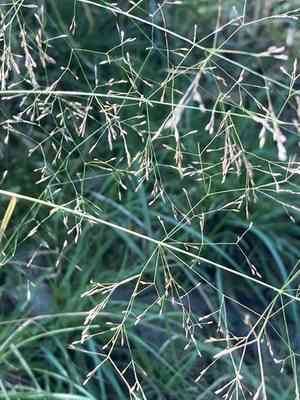
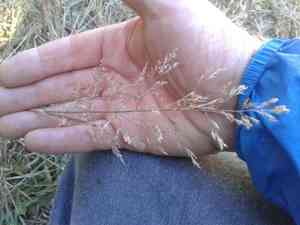
Quickly Identify Bentgrass (Agrostis)
1
Agrostis can be identified by its fine-textured leaves and dense, tufted growth habit. The flowering stems are often slender with an elongated, spiked inflorescence that can vary in color from green to red to purple.
Scientific Classification of Bentgrass (Agrostis)
Phylum
Magnoliophyta
Class
Liliopsida
Order
Poales
Family
Poaceae
Genus
Agrostis
Planting and Growing of Bentgrass (Agrostis)
Care Difficulty
Moderate
Watering Schedule
Every 4 days
Sunlight Requirements
Full sun
Sunshine Duration
4-8 hours
Ideal Temperature
65-75℉
Soil Type
Potting Mix, Peat Mix
Soil pH
5-7
Fertilizer Type
Balanced
Pruning Season
Spring, Summer
Pruning Area
Branches, Leaves
Pruning Frequency
2 times a year
Repotting Season
Spring
Pot Type
Plastic, Ceramic
 How to Water Bentgrass (Agrostis)?
Agrostis, commonly known as bentgrass, thrives with consistent moisture but not waterlogged conditions. Watering should simulate a gentle rainfall that thoroughly wets the soil to a depth of around 2 inches. This encourages deep root growth and resilience against drought conditions. Thus, approximately 100 milliliters per watering is ideal depending on the soil's drainage capacity.
What are the symptoms of an underwatered Bentgrass (Agrostis)?
›
What should I do if my Bentgrass (Agrostis) is not getting enough water?
›
What are the symptoms of an overwatered Bentgrass (Agrostis)?
›
How to save an overwatered Bentgrass (Agrostis)?
›
 What Are the Sunlight Requirements for Bentgrass (Agrostis)?
Agrostis thrives best in areas receiving partial to full sun. Adequate light ensures vigorous growth and enhances its natural color, promoting denser and more spread foliage.
Solution to Achieve Ideal Lighting
›
How to Implement Ideal Lighting Conditions
›
Benefits of Ideal Lighting
›
 What Is the Ideal Temperature Range for Bentgrass (Agrostis)?
The ideal temperature range for Agrostis species falls between 65°F and 75°F. Within this range, the plants experience optimal growth conditions, which include effective photosynthesis and nutrient uptake. It is a conducive environment where the plant's physiological processes are efficiently managed, promoting lush and vigorous growth.
 What Soil is Best for Bentgrass (Agrostis)?
Agrostis thrives in nutrient-rich soils, ensuring rapid growth and lush green coverage. High nitrogen and phosphorus levels in the soil contribute to robust root development and a healthy plant. Well-drained soil is crucial for Agrostis to prevent root rot and other water-related diseases. Ensuring that excess water efficiently drains away helps in maintaining a balanced moisture level. Consistently moist soil is necessary for optimal growth of Agrostis. Regular watering or rain helps keep the soil suitably damp, encouraging strong photosynthesis and overall health.
 How to Fertilize Bentgrass (Agrostis)?
Agrostis species generally require a balanced amount of fertilization to thrive. An application rate of about 1 pound of nitrogen per 1,000 square feet every couple of months during the growing season is typically sufficient. However, always follow specific recommendations based on soil tests.
 How to Prune Bentgrass (Agrostis)?
Begin by examining your Agrostis for dense or uneven growth, ensuring sharp and sterilized tools are on hand. Start by trimming back overgrown areas to maintain an even surface. Aim for an initial height of about 3-4 inches. This height supports root development and maintains aesthetic appeal. Regular trimming during growth seasons encourages lateral growth, resulting in a denser and healthier lawn.
 How to Propagate Bentgrass (Agrostis) plant?
1
Before sowing, soak the seeds in water for 24 hours to improve germination rates. This step helps soften the seed coat, encouraging quicker and more uniform sprouting.
2
Prepare a well-draining soil mix consisting of potting soil, sand, and peat moss. This combination ensures adequate drainage and aeration, which are critical for seedling health.
3
For division, carefully dig up the plant and use a spade to separate it into sections. Ensure each section has a good amount of roots and some foliage, and replant immediately.
 How to Repot Bentgrass (Agrostis) plant?
1
Your Agrostis signals its need for repotting through crowded roots peeking through drainage holes or a noticeable decline in growth. Ideally, repotting should be considered when these signs appear, ensuring the plant maintains healthy, lush foliage and continues to thrive.
2
Selecting a pot with adequate drainage is crucial to avoid waterlogged soil which can cause root rot. A pot that is 1-2 inches larger in diameter than the current one provides enough room for growth, allowing the roots to expand comfortably and support the plant's development.
3
Opt for a well-draining loamy mix that retains some moisture without becoming waterlogged. This type of soil ensures adequate aeration and provides essential nutrients, fostering robust root development and overall plant health, leading to a vibrant and flourishing Agrostis.

