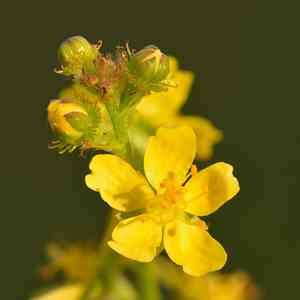
Agrimony (Agrimonia) (Agrimonia)
Also known as: Agrimony, Cocklebur
Agrimony plants, known for their vibrant flower spikes, are often included in herb and butterfly gardens. These plants serve as a key food source for certain butterfly larvae, such as the large grizzled skipper. Agrimony species typically propagate from seeds.
In This Article
Attributes of Agrimony (Agrimonia)
Lifespan
Perennial
Plant Height
50-150 cm
Spread
N/A
Leaf Color
Green
Flower Size
Approximately 1 cm
Flower Color
Yellow
Images of Agrimony (Agrimonia)
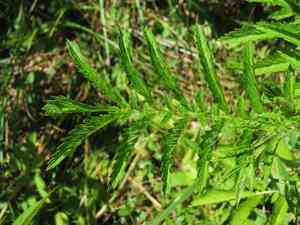
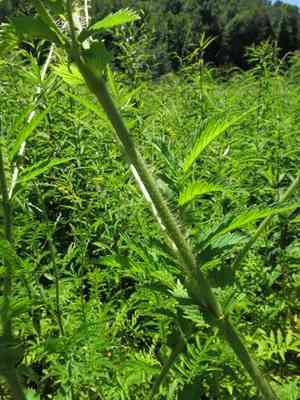
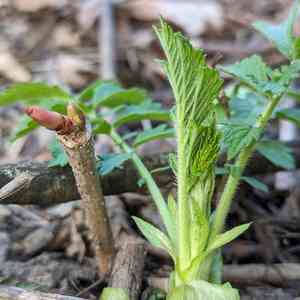
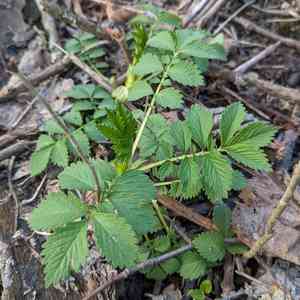
Quickly Identify Agrimony (Agrimonia)
1
Agrimonia plants can be identified by their pinnate leaves, each with serrated edges, and their distinctive spikes of small, five-petaled yellow flowers. The flowers give way to small, bur-like fruits covered in hooked bristles.
Scientific Classification of Agrimony (Agrimonia)
Phylum
Magnoliophyta
Class
Magnoliopsida
Order
Rosales
Family
Rosaceae
Genus
Agrimonia
Planting and Growing of Agrimony (Agrimonia)
Care Difficulty
Moderate
Watering Schedule
Every 3 days
Sunlight Requirements
Partial sun
Sunshine Duration
6-10 hours
Ideal Temperature
60-75℉
Soil Type
Potting Mix, Peat Mix
Soil pH
6.5-7.5
Fertilizer Type
Balanced
Pruning Season
Spring, Summer
Pruning Area
Branches, Leaves
Pruning Frequency
Once a year
Repotting Season
Spring
Pot Type
Plastic, Ceramic
 How to Water Agrimony (Agrimonia)?
Agrimonia thrives best when watered moderately, ensuring the soil is consistently moist, but not soggy. Aim for about 250 ml per session, or enough to dampen the top few inches of the soil without leaving it waterlogged.
What are the symptoms of an underwatered Agrimony (Agrimonia)?
›
What should I do if my Agrimony (Agrimonia) is not getting enough water?
›
What are the symptoms of an overwatered Agrimony (Agrimonia)?
›
How to save an overwatered Agrimony (Agrimonia)?
›
 What Are the Sunlight Requirements for Agrimony (Agrimonia)?
Agrimonia prefers partial sun, ideally receiving four to six hours of sunlight daily. This light condition fosters healthy growth, ensures vibrant foliage, and encourages prolific blooming without risking damage from intense sunlight.
What is the ideal lighting for Agrimonia?
›
How can you achieve ideal lighting for Agrimonia?
›
What benefits does ideal lighting bring to Agrimonia?
›
 What Is the Ideal Temperature Range for Agrimony (Agrimonia)?
The ideal temperature range for growing Agrimonia is between 60°F and 75°F. Maintaining this temperature range ensures optimal growth and flowering. It provides a conducive environment for photosynthesis and other metabolic activities, enhancing the plant's health and productivity.
 What Soil is Best for Agrimony (Agrimonia)?
Agrimonia thrives in well-drained soil to prevent root rot. Proper drainage ensures healthy root development, allowing the plant to absorb nutrients efficiently. Moderate fertility is essential to support Agrimonia's growth. A balance of nutrients helps the plant produce lush foliage without excessive growth leading to weak stems. While Agrimonia prefers well-drained conditions, it also benefits from soils that retain some moisture, providing a consistent water supply essential for steady growth.
 How to Fertilize Agrimony (Agrimonia)?
For Agrimonia plants, the fertilizer amount should be moderate. Use a balanced 10-10-10 liquid fertilizer and apply according to label instructions. Avoid over-fertilization, which can result in excess nitrogen that harms the plant.
 How to Prune Agrimony (Agrimonia)?
Begin your pruning session by removing any dead, diseased, or damaged branches. Cut back to healthy wood to prevent the spread of potential diseases. Once unhealthy branches are removed, focus on shaping the plant by cutting back overgrown areas. Keep the natural shape of the plant in mind and avoid cutting too much at once. To stimulate growth, make cuts just above a leaf node or bud. This will encourage branching and a fuller appearance in your Agrimonia as it grows.
 How to Propagate Agrimony (Agrimonia) plant?
1
Harvest seeds from mature Agrimonia plants in autumn when seeds are ripe. Dry them thoroughly before storing in a cool, dark place until you're ready to plant in early spring. Ensure seeds are fresh for the best germination rates.
2
Start seeds indoors in a seed tray filled with a seed-starting mix in early spring. Cover them lightly with soil, water gently, and maintain consistent warmth and moisture. Use a clear plastic cover or plastic wrap to maintain humidity.
3
In early spring or late autumn, dig up mature Agrimonia plants and carefully separate them into smaller sections. Ensure each section has roots attached. Replant divisions immediately in well-draining soil at the same depth as the original plant.
 How to Repot Agrimony (Agrimonia) plant?
1
Repot Agrimonia when you notice roots growing through the drainage holes or the soil dries out too quickly after watering. Ideally, this should happen in early spring or autumn when the plant is less stressed. Be sure to keep an eye on your plant for these signs to provide the best care.
2
Choose a pot that is one size larger than the current one, ideally with drainage holes. A slightly larger pot will prevent waterlogging while providing enough room for root expansion. This choice helps in maintaining the plant's health and ensures proper growth.
3
Select a loamy, well-draining soil mix that retains enough moisture while preventing waterlogging. The soil should support healthy root growth and nutrient absorption, ensuring your Agrimonia thrives in its new environment.

