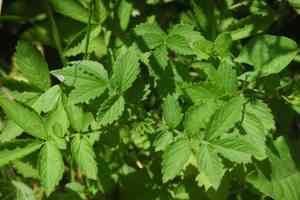
Hairy agrimony (Agrimonia pilosa)
Also known as: Hairy Agrimony, Ruddy Agrimony
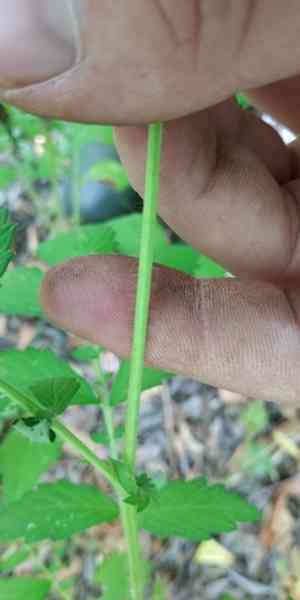
Hairy agrimony (Agrimonia pilosa) is characterized by the dense hairs on its stems and leaves. This flowering plant is predominantly found along roadsides and in meadows, where its bright yellow blooms are easily noticeable.
In This Article
Attributes of Hairy agrimony
Lifespan
Perennial
Plant Type
Herb
Plant Height
30 cm to 1.2 m
Spread
N/A
Leaf Color
Green
Flower Size
6 mm to 9 mm
Flower Color
Yellow
Images of Hairy agrimony
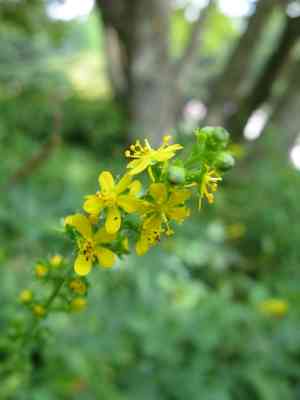
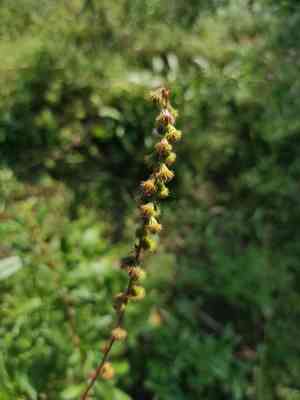
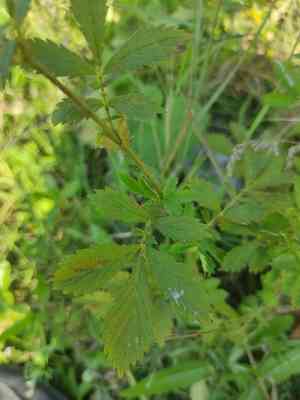
Quickly Identify Hairy agrimony
1
Identify Hairy Agrimony by its distinctive hairy stems and leaves, the elongated spikes of small yellow flowers, and its serrated pinnate leaves. In the fall, it produces burr-like seed pods that stick to clothing and fur.
Scientific Classification of Hairy agrimony
Phylum
Vascular plants
Class
Dicotyledons
Order
Roses, elms, figs, and allies
Family
Rose
Genus
Agrimony
Species
Hairy agrimony
Planting and Growing of Hairy agrimony
Care Difficulty
Easy
Watering Schedule
Every 4 days
Sunlight Requirements
Partial sun
Sunshine Duration
4-8 hours
Ideal Temperature
59-77℉
Soil Type
Potting Mix, Peat Mix
Soil pH
6.5-7.5
Fertilizer Type
Balanced
Pruning Season
Spring, Summer
Pruning Area
Branches, Leaves
Pruning Frequency
2 times a year
Repotting Season
Spring
Pot Type
Plastic, Ceramic
 How to Water Hairy agrimony?
For Agrimonia pilosa, each watering session should involve approximately 150 ml of water. This amount ensures the soil is adequately moist without becoming waterlogged. The soil should visibly soak in the water and retain moisture without pooling on the surface.
What are the symptoms of an underwatered Hairy agrimony?
›
What should I do if my Hairy agrimony is not getting enough water?
›
What are the symptoms of an overwatered Hairy agrimony?
›
How to save an overwatered Hairy agrimony?
›
 What Are the Sunlight Requirements for Hairy agrimony?
Partial sun exposure is ideal, providing balanced sunlight. This range fosters healthy growth, vibrant leaves, and optimal flowering by allowing adequate photosynthesis without overwhelming the plant.
More About Sunlight Requirements Techniques→
What is the ideal amount of light for Agrimonia pilosa?
›
How can you ensure Agrimonia pilosa gets its ideal light?
›
What benefits does ideal light bring to Agrimonia pilosa?
›
 What Is the Ideal Temperature Range for Hairy agrimony?
Agrimonia pilosa thrives best in a temperature range between 59°F to 77°F. This range provides an optimal environment for its cellular processes, leading to healthy foliage and blooms. Consistent temperatures within this range also help in minimizing stress and disease vulnerability in the plant.
 What Soil is Best for Hairy agrimony?
Agrimonia pilosa thrives in well-drained soils. Proper drainage ensures the roots don't sit in water, which could otherwise lead to root rot and negatively impact the plant's health. This plant prefers soil that is moderately fertile. Overly rich soil can lead to excessive foliage growth at the expense of flower production, which reduces its overall attractiveness. Incorporating organic matter into the soil supports aeration and nutrient availability. This enhances the plant's growth by maintaining a balanced nutrient cycle and supporting the soil's microbiome.
 How to Fertilize Hairy agrimony?
Agrimonia pilosa, a plant known for its hardy nature, requires moderate fertilization. Too much can harm it, while too little results in poor growth. Typically, a balanced liquid fertilizer diluted to half-strength is ideal for monthly applications during the growing season. For slow-release fertilizers, a small amount spread over three times a year ensures sustained nutrient supply without overwhelming the plant's system.
 How to Prune Hairy agrimony?
Begin by removing any dead, damaged, or diseased stems or leaves. This will not only improve the overall appearance but also the health of Agrimonia pilosa, as it allows for better airflow and light penetration. After clearing out the undesirable elements, focus on shaping the plant. This can involve trimming back overgrown branches or shoots to maintain a compact form. Try to maintain the plant's natural shape for optimal growth.
More About Pruning Techniques→
 How to Propagate Hairy agrimony plant?
1
Begin by filling seed trays with a well-draining potting mix. Sow Agrimonia pilosa seeds just below the soil surface and water gently to settle the soil. This method requires patience as germination may take several weeks.
2
Select healthy stems and cut 4-6 inch sections using pruning shears. Remove leaves from the lower half of the cutting, and dip the cut end in rooting hormone to encourage root development.
3
Carefully remove the plant from its pot or ground, and use a sharp knife to divide the root clump into sections. Ensure each section has a healthy root system before replanting.
 How to Repot Hairy agrimony plant?
1
Signs that your Agrimonia pilosa needs repotting include roots curling around the pot's edges, slow growth, or water draining too quickly. Ideal times for repotting are during spring or autumn when the plant is not in its active flowering phase, ensuring it adapts well to the new pot and soil environment.
2
Select a pot that is one size larger than the current one, ensuring it has ample drainage holes. This prevents waterlogging, encouraging strong root development. Avoid overly large pots, as they may hold excessive moisture, potentially leading to root rot.
3
Opt for a well-draining loamy soil mix, enriched with organic matter. The loamy soil provides the perfect balance of moisture retention and aeration, promoting healthy root growth while preventing waterlogged conditions that can lead to root diseases.
Learn More About Hairy agrimony Diseases
Anthracnose
Bacterial Leaf Spot
Crown Gall
Cyst Nematode
Damping-off
Downy Mildew
Drought Stress
Fusarium Wilt
Gray Mold
Leaf Curl
Leaf Spot
Mosaic
Nutrient Deficiency
Nutrient Toxicity
Powdery Mildew
Root Rot
Root-knot Nematode
Rusts
Sooty Mold
Spider Mites
Temperature Stress
Thrips Damage
White Mold



