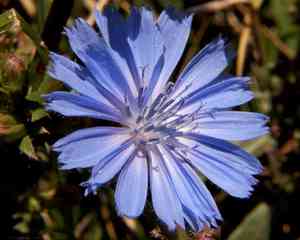
Prairie agoseris (Agoseris glauca)
Also known as: Palo agoseris
Prairie agoseris (*Agoseris glauca*) is a perennial flowering plant indigenous to western North America, ranging from Alaska in the north to Mexico in the south. Belonging to the sunflower family, it is often referred to as "false dandelion" due to its resemblance to the common dandelion.
In This Article
Attributes of Prairie agoseris
Lifespan
Perennial
Plant Type
Herb, Shrub
Plant Height
20 cm to 51 cm
Spread
15 cm to 30 cm
Leaf Color
Green
Flower Size
2.5 cm
Flower Color
Yellow
Images of Prairie agoseris
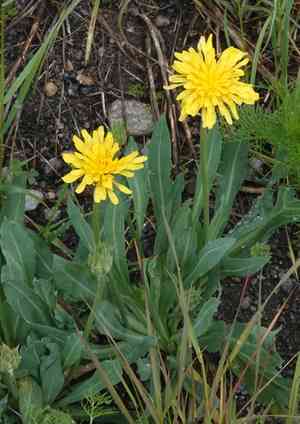
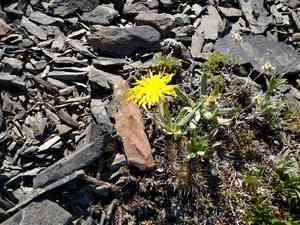
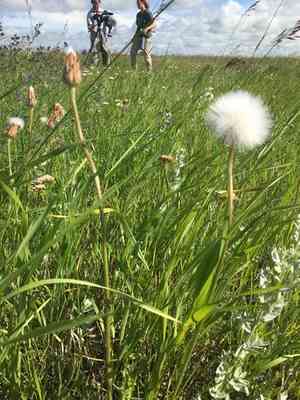
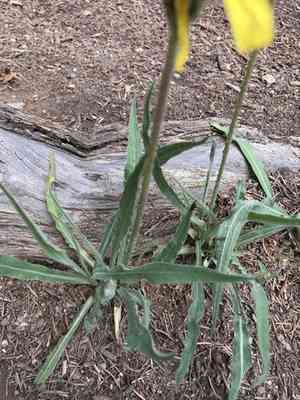
Quickly Identify Prairie agoseris
1
This plant can be identified by its basal rosette of narrow, elongated leaves and its yellow, dandelion-like flower heads. The stems are usually leafless, and the flowers close at night.
Scientific Classification of Prairie agoseris
Phylum
Vascular plants
Class
Dicotyledons
Order
Asterales
Family
Daisy
Genus
Mountain dandelions
Species
Prairie agoseris
Planting and Growing of Prairie agoseris
Care Difficulty
Easy
Watering Schedule
Every 2 days
Sunlight Requirements
Full sun
Sunshine Duration
4-8 hours
Ideal Temperature
50-70℉
Soil Type
Potting Mix, Peat Mix
Soil pH
6.5-7.5
Fertilizer Type
Balanced
Pruning Season
Spring, Summer
Pruning Area
Branches, Leaves
Pruning Frequency
2 times a year
Repotting Season
Spring
Pot Type
Plastic, Ceramic
 How to Water Prairie agoseris?
Agoseris glauca is adapted to dry conditions, so it prefers to be watered deeply but infrequently. The key is to soak the root zone, allowing the water to penetrate deeply into the soil. Water until 500 ml per session per plant is typically adequate, ensuring the soil becomes thoroughly moist but not waterlogged.
What are the symptoms of an underwatered Prairie agoseris?
›
What should I do if my Prairie agoseris is not getting enough water?
›
What are the symptoms of an overwatered Prairie agoseris?
›
How to save an overwatered Prairie agoseris?
›
 What Are the Sunlight Requirements for Prairie agoseris?
Agoseris glauca's ideal light range is full to partial sun, supporting robust growth, vibrant foliage, and excellent flowering. Ideal light enables optimal energy absorption, critical for photosynthesis.
More About Sunlight Requirements Techniques→
What is the ideal setting for Agoseris glauca?
›
How can you achieve the ideal light conditions for Agoseris glauca?
›
What are the benefits of ideal light exposure for Agoseris glauca?
›
 What Is the Ideal Temperature Range for Prairie agoseris?
The ideal temperature range for growing Agoseris glauca is between 50°F and 70°F. This range supports optimal metabolic activities and healthy growth. Providing temperatures within this range ensures the plant can efficiently conduct photosynthesis and other physiological processes, leading to robust development.
 What Soil is Best for Prairie agoseris?
Agoseris glauca prefers well-drained soil conditions. This need ensures that the roots are not sitting in water, which can lead to root rot. A well-drained environment helps the plant absorb nutrients efficiently and enhances its overall health. The plant benefits from moderately fertile soil, providing just enough nutrients without overwhelming it. This balance allows Agoseris glauca to grow steadily and produce its characteristic yellow flowers more vigorously. Agoseris glauca can tolerate slightly alkaline soil conditions. This requirement helps in maintaining the structure of the soil and ensures that the plant's nutrient uptake is optimal, supporting healthy growth.
 How to Fertilize Prairie agoseris?
Agoseris glauca thrives with a balanced approach to fertilization. For liquid fertilizers, use a diluted solution, around 1/4 to 1/2 the recommended strength, to prevent root burn and promote healthy growth without overwhelming the plant.
 How to Prune Prairie agoseris?
Begin by removing any spent or dead flowers. This not only tidies up the plant's appearance but also prevents seed heads from diverting energy away from new growth. Next, inspect the leaves for any that are dead, yellowing, or damaged. Prune these at their base to encourage new, healthy foliage to take their place. After cleaning up dead material, shape the plant by trimming back excessive growth. This helps maintain a compact form and ensures the plant doesn’t become too leggy.
More About Pruning Techniques→
 How to Propagate Prairie agoseris plant?
1
Select mature seeds from healthy plants and soak them in water overnight to enhance germination. Ensure they are clean and free from any debris.
2
Fill a planting tray with fine seed compost and scatter the seeds evenly on the surface. Lightly cover them with a thin layer of compost or vermiculite.
3
Gently water the tray using a fine mist spray to avoid disturbing the seeds. Maintain consistent moisture but avoid overwatering to prevent rot.
 How to Repot Prairie agoseris plant?
1
Agoseris glauca should be repotted when its roots begin to outgrow the current container or when water drainage becomes visibly inconsistent. These signs typically indicate the plant's roots need more space and healthier soil conditions. Spring is the ideal time, as the plant is entering its active growth phase, which facilitates quicker adaptation to a new pot.
2
Select a pot that is one size larger than the current one, with ample drainage holes at the bottom. This ensures that excess water can escape, preventing root rot. A breathable material like terracotta allows roots to air out, promoting healthier growth and reducing the risk of overwatering.
3
Use soil that maintains good aeration and drainage, like sandy loam mixed with perlite or coarse sand. This promotes healthier root systems by preventing waterlogging, allowing nutrients to reach the roots more effectively and ensuring that the soil doesn't compact over time.
Learn More About Prairie agoseris Diseases
Anthracnose
Bacterial Leaf Spot
Bacterial Wilt
Chemical Injury
Crown Gall
Cyst Nematode
Damping-off
Downy Mildew
Drought Stress
Fusarium Wilt
Gray Mold
Leaf Spot
Mosaic
Nutrient Deficiency
Nutrient Toxicity
Powdery Mildew
Root Rot
Root-knot Nematode
Rusts
Sooty Mold
Spider Mites
Temperature Stress
Thrips Damage
White Mold



