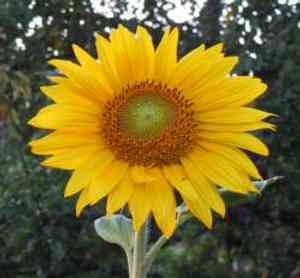
Southern mule-ears (Agnorhiza ovata)
Also known as: None
Arnica montana is a resilient perennial known for its sturdy, elongated oval leaves marked by prominent veins. Its daisy-like yellow blossoms perch atop robust stems, frequently rising above the foliage. This sun-loving plant flourishes in well-drained soils and is a common sight in wildflower meadows and rocky slopes.
In This Article
Attributes of Southern mule-ears
Lifespan
Perennial
Plant Type
Herb
Plant Height
30-60 cm
Spread
20-50 cm
Leaf Color
Green
Flower Size
5-7 cm
Flower Color
Bright Yellow
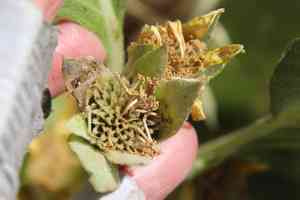
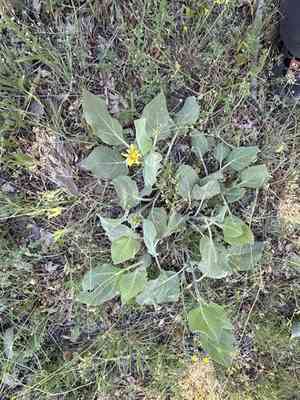
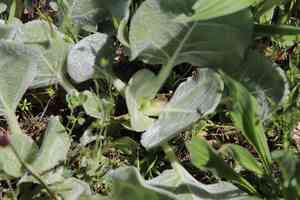
Images of Southern mule-ears
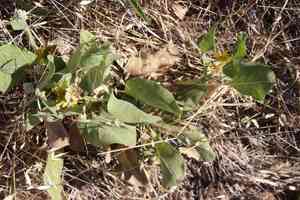
Quickly Identify Southern mule-ears
1
Agnorhiza ovata can be identified by its ovate to lanceolate leaves, which are thick, leathery, and usually somewhat hairy. The plant produces bright yellow, daisy-like flowers and typically grows close to the ground.
Scientific Classification of Southern mule-ears
Phylum
Vascular plants
Class
Dicotyledons
Order
Asterales
Family
Daisy
Genus
Mule-ears
Species
Southern mule-ears
Planting and Growing of Southern mule-ears
Care Difficulty
Moderate
Watering Schedule
Every 2 days
Sunlight Requirements
Full sun
Sunshine Duration
6-10 hours
Ideal Temperature
60-75℉
Soil Type
Potting Mix, Peat Mix
Soil pH
6.5-7.5
Fertilizer Type
Balanced
Pruning Season
Spring, Summer
Pruning Area
Branches, Leaves
Pruning Frequency
2 times a year
Repotting Season
Spring
Pot Type
Plastic, Ceramic
 How to Water Southern mule-ears?
Agnorhiza ovata, also known as the California Rockflower, requires about 250 milliliters of water per watering session. The rule here is to water until the soil is evenly moist but not soggy, ensuring the roots are nourished without drowning them. This plant prefers soil that can hold some moisture but doesn't remain wet for too long.
What are the symptoms of an underwatered Southern mule-ears?
›
What should I do if my Southern mule-ears is not getting enough water?
›
What are the symptoms of an overwatered Southern mule-ears?
›
How to save an overwatered Southern mule-ears?
›
 What Are the Sunlight Requirements for Southern mule-ears?
Agnorhiza ovata flourishes under full sun exposure, ideally in environments offering 6-8 hours of sunlight. This not only supports vigorous growth but also enhances its natural beauty and structure.
How much light does Agnorhiza ovata ideally need?
›
How can I provide ideal light conditions for Agnorhiza ovata?
›
What benefits does ideal light offer to Agnorhiza ovata?
›
 What Is the Ideal Temperature Range for Southern mule-ears?
Agnorhiza ovata thrives best within a specific temperature window that promotes optimal growth and health. The ideal temperature range for this plant is between 60°F and 75°F. Staying within this range ensures that the plant's metabolic processes occur efficiently, supporting vivid blooms and robust foliage.
 What Soil is Best for Southern mule-ears?
Agnorhiza ovata thrives in well-drained soil conditions, which prevent root rot and ensure adequate access to nutrients. This aspect aids the plant by promoting healthy growth and reduces the likelihood of waterlogged conditions that can be detrimental. The plant prefers soil with moderate fertility, which ensures it receives sufficient nutrients without the risk of over-fertilization. This balance of nutrients supports optimal growth and flowering. A neutral to slightly acidic soil pH provides an environment that enhances nutrient availability for Agnorhiza ovata, ensuring robust health and promoting vibrant blossoms.
 How to Fertilize Southern mule-ears?
For Agnorhiza ovata, applying too much fertilizer can harm its growth. It’s best to use a diluted liquid fertilizer, following the package's recommended rate, usually around 1 tablespoon per gallon of water. For slow-release granules, sprinkle a small handful, or approximately 1 ounce, around the base of the plant annually in early spring.
 How to Prune Southern mule-ears?
Begin by identifying and cutting away any dead or diseased leaves, stems, or flowers. This encourages the plant to direct energy toward healthy parts and prevents the spread of potential diseases. Carefully trim around the edges to maintain a compact and appealing shape. Prune outward-growing stems to encourage a more upright and bushy growth. This enhances the plant's overall appearance and promotes healthy growth patterns. After the blooming season, remove spent flowers to redirect energy back into the plant. Doing this will not only tidy up the appearance of the plant but also prepare it for a more prolific blooming in the next cycle.
More About Pruning Techniques→
 How to Propagate Southern mule-ears plant?
1
Collect seeds from the mature flower heads of Agnorhiza ovata when they dry out and turn brown. Make sure to gather them before they fall to the ground naturally.
2
Prepare a well-draining soil mixture by combining equal parts of peat moss, perlite, and sand. This mixture ensures sufficient aeration and moisture retention for seed germination.
3
Sow the seeds in the prepared trays about 1/4 inch deep and lightly cover them with the soil mixture. Water gently to avoid washing away the seeds.
 How to Repot Southern mule-ears plant?
1
Observe your Agnorhiza ovata for signs such as roots growing out of the drainage holes, soil taking longer to dry, or visibly cramped roots. These indicators suggest it's time for a new home. Aim for repotting in spring or early summer when the plant’s growth is most active, giving it ample time to adjust and thrive in the new pot before the dormant season.
2
Select a pot that is 1-2 inches larger in diameter than the current one. The pot should have sufficient drainage holes to prevent water retention. A terracotta pot is often ideal as it allows for better air circulation around the roots, helping prevent root rot and encouraging healthier growth.
3
Use a well-draining sandy soil mix, which mimics the plant's natural habitat. A mix that provides excellent drainage prevents root rot and enables oxygen flow to the roots, facilitating better growth. The right soil ensures your Agnorhiza ovata can access the air, water, and nutrients it needs to thrive.
Learn More About Southern mule-ears Diseases
Anthracnose
Bacterial Leaf Spot
Bacterial Soft Rot
Bacterial Wilt
Black Spot
Chemical Injury
Crown Gall
Cyst Nematode
Damping-off
Downy Mildew
Drought Stress
Fusarium Wilt
Gray Mold
Leaf Curl
Leaf Spot
Mosaic
Nutrient Deficiency
Nutrient Toxicity
Powdery Mildew
Root Rot
Root-knot Nematode
Rusts
Sooty Mold
Spider Mites
Temperature Stress
Thrips Damage
White Mold



