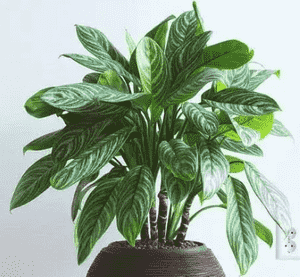
Chinese evergreen (Aglaonema modestum)
Also known as: Lily of China
The Chinese evergreen (Aglaonema modestum) is native to tropical South Asia and has been cultivated in China for hundreds of years. This popular houseplant is known for its vibrant leaves, which display a mix of pink, blue, and green hues.
Attributes of Chinese evergreen
Images of Chinese evergreen
Quickly Identify Chinese evergreen
Scientific Classification of Chinese evergreen
Planting and Growing of Chinese evergreen
 How to Water Chinese evergreen?
 What Are the Sunlight Requirements for Chinese evergreen?
 What Is the Ideal Temperature Range for Chinese evergreen?
 What Soil is Best for Chinese evergreen?
 How to Fertilize Chinese evergreen?
 How to Prune Chinese evergreen?
 How to Propagate Chinese evergreen plant?
 How to Repot Chinese evergreen plant?
Toxicity of Chinese evergreen
Is Chinese evergreen toxic to humans?
All portions of the Chinese evergreen plant are moderately toxic if consumed, especially its sap. It contains calcium oxalate crystals, which can lead to intense burning sensations or irritation in the mouth, lips, and tongue. The swelling of the throat may result in difficulties in breathing. Additional symptoms may include skin irritation, rashes, and discomfort of the mucous membranes. This popular houseplant can also thrive outdoors when planted in containers. Extra caution is advised around this plant, especially for individuals with sensitive skin. It is particularly important to keep children away from this plant to prevent accidental ingestion.
Is Chinese evergreen toxic to cat?
The Chinese evergreen (Aglaonema modestum) is not advisable for homes with cats due to its moderate toxicity level. If a cat chews on the leaves, it may experience symptoms such as gastric discomfort, excessive salivation, diarrhea, and other issues. Although it is not classified as fatal, it is strongly advised to seek veterinary advice if your cat consumes more than a few bites.
Is Chinese evergreen toxic to dog?
Chinese evergreen exhibits moderate to severe toxicity to dogs, with the intensity of the reaction largely influenced by the amount of the plant the dog encounters. The entire plant is infused with sap that contains calcium oxalate, a harmful substance capable of irritating the skin or mucous membranes. Symptoms of poisoning from Chinese evergreen can include skin rashes, redness or discomfort around the mouth, swallowing difficulties, and throat swelling. In more critical instances, ingestion may lead to respiratory issues, kidney failure, coma, or even death.



