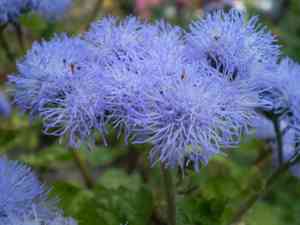
Flossflower(Ageratum houstonianum)

Flossflower (Ageratum houstonianum)

Also known as: Mexican paintbrush, Blueweed

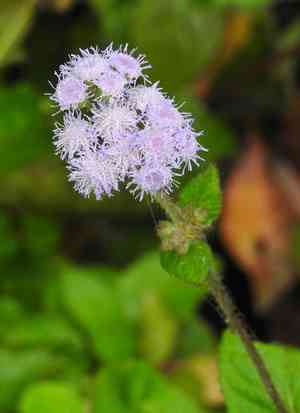
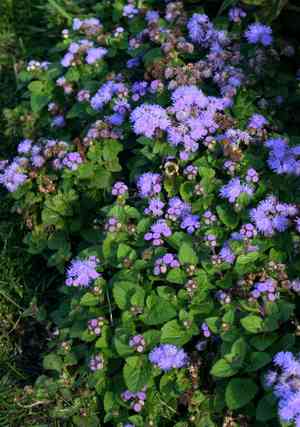
*Flossflower* (*Ageratum houstonianum*) is a short annual that draws in butterflies, bees, and birds. Its fragrant, aster-like blooms, which appear from spring through fall, come in vivid shades of blue, as well as white and pink. This plant thrives in full sun to partial shade and is known for its resistance to deer and rabbits. It typically grows to a height of 15 to 30 cm, making it a vibrant and colorful choice for any garden.

Attributes of Flossflower

Lifespan
Annual, Perennial
Plant Type
Herb
Plant Height
30 cm to 1 m
Spread
30 cm to 45 cm
Leaf Color
Green
Flower Size
2 cm to 4 cm
Flower Color
Pink White Blue Violet

PlantJoy - Identify plants with a snap

Identify and diagnose plants, get toxicity alerts, and explore safety guides for all types of fungi.

Try for Free

Images of Flossflower

Flossflower(Ageratum houstonianum)

Quickly Identify Flossflower

1
Fluffy, aster-like blue flowers in pom-pom clusters.
2
Distinctive black cypselas with 5-angled shapes.
3
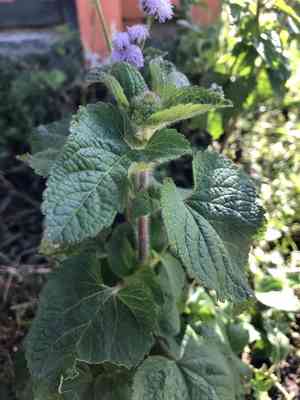
Alternate, ovate leaves with pilose surfaces and heart-shaped bases.
4
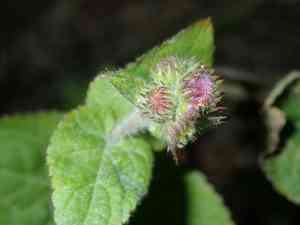
Semidecumbent stems with white tomentose or lanate hairs.
5
Bushy annual with mounding habit, reaching 6-12 inches in height.

Scientific Classification of Flossflower

Phylum
Vascular plants
Class
Dicotyledons
Order
Asters bellflowers fanflowers and allies
Family
Daisy
Genus
Whiteweed
Species
Flossflower

Planting and Growing of Flossflower

Care Difficulty
Easy
Watering Schedule
Every 4 days
Sunlight Requirements
Full sun
Sunshine Duration
6-10 hours
Ideal Temperature
68-77℉
Soil Type
Potting Mix, Peat Mix
Soil pH
6.5-7.5
Fertilizer Type
Balanced
Pruning Season
Spring, Summer
Pruning Area
Branches, Leaves
Pruning Frequency
2 times a year
Repotting Season
Spring
Pot Type
Plastic, Ceramic

water icon How to Water Flossflower?

Ageratum houstonianum, commonly known as floss flower, prefers consistently moist soil. It requires approximately 200 milliliters of water per session. The goal is to ensure the soil remains damp but not waterlogged; it should feel moist to the touch without pooling water at the base.
What are the symptoms of an underwatered Flossflower?
What should I do if my Flossflower is not getting enough water?
What are the symptoms of an overwatered Flossflower?
How to save an overwatered Flossflower?
More About Watering Techniques

sunlight icon What Are the Sunlight Requirements for Flossflower?

Sunlight Requirements: Full sun, Partial sun
Duration of light: 4 to 6 hours
Ageratum houstonianum needs partial to full sun exposure; this intensity spurs vibrant bloom, stronger stem growth, and overall healthier foliage. Proper light balance prevents typical growth issues and keeps the plant robust.
What is the best lighting condition for Ageratum houstonianum?
What solutions can enhance Ageratum houstonianum’s exposure to ideal light?
What benefits does Ageratum houstonianum receive from ideal sunlight?
More About Sunlight Requirements Techniques

temperature icon What Is the Ideal Temperature Range for Flossflower?

Ideal Temperature: 68 ~ 77℉
Ageratum houstonianum thrives best in a temperature range of 68°F to 77°F. This range ensures optimal metabolic and photosynthetic activity. Maintaining this temperature range provides the pest resistance and promotes healthy flowering, which is essential for decorative and ecological usability.

soil icon What Soil is Best for Flossflower?

Soil type: Loam, Sandy loam, Clay soil
Soil PH: 6.5 ~ 7.5
Ageratum houstonianum thrives in well-drained soil which prevents root rot. Good drainage ensures that the roots get enough oxygen and maintain optimal growth, giving the plant a robust appearance. This plant benefits from soil rich in organic matter, providing essential nutrients that boost its vibrant blooms. Organic-rich loam supports sustainable growth and enhances the health of the plant. The soil should retain moisture sufficiently without becoming waterlogged. Moisture retention ensures continuous nutrient absorption, particularly crucial during dry spells, keeping the Ageratum lush and flourishing. More About Soil

fertilize icon How to Fertilize Flossflower?

Fertilizer type: Balanced
For Ageratum houstonianum, the fertilizer amount is crucial for optimum growth. Use a balanced 10-10-10 liquid fertilizer at half strength, approximately 1 tablespoon per gallon of water when applying liquid fertilizers. Solid fertilizers should be applied with care, distributing about 2 tablespoons lightly around each plant, ensuring it is not in direct contact with the stems to prevent burn. More About Fertilizing Techniques

prune icon How to Prune Flossflower?

Pruning Time: Spring, Summer, Autumn
Regularly remove spent flowers throughout the growing season. This not only tidies up the plant but also prevents seed formation, allowing the plant to focus energy on producing more blooms. Trim back any overgrown or leggy stems to maintain the plant's compact shape. This is best done with sharp, clean shears to minimize plant stress and the risk of disease. If the plant has grown unevenly, carefully prune to maintain an even, round shape. This can be particularly aesthetic in border plantings and will promote even development of new growth. More About Pruning Techniques

propagate icon How to Propagate Flossflower plant?

Propagate Time: Spring, Early summer
1
Fill a seed tray with a sterile seed starting mix. The medium should be lightweight and have good drainage to prevent damping-off diseases during the germination of Ageratum houstonianum seeds.
2
Evenly distribute the Ageratum houstonianum seeds over the surface of the seed starting mix. Lightly press them into the soil without fully covering them, as they require light to germinate.
3
Select healthy, non-flowering stems from an Ageratum houstonianum plant. Use sharp pruners to cut 3-4 inch sections at a 45-degree angle, removing the lower leaves to reduce moisture loss.
More About Propagating Techniques

repot icon How to Repot Flossflower plant?

Repotting frequency: Annually or when root-bound
1
Ageratum houstonianum needs repotting when its roots outgrow the current container, or the soil becomes too compacted or depleted. The best time to observe these changes is during its growing season, primarily in spring or early summer. Look for roots protruding from drainage holes or decreased plant vitality as indicators.
2
Choose a pot that is 1-2 inches larger in diameter than the current one. It should have drainage holes to prevent waterlogging—a crucial factor for preventing root rot. The material, be it ceramic, plastic, or clay, should suit your watering habits and aesthetic preferences.
3
The ideal soil for Ageratum houstonianum is a well-draining potting mix. A mixture with perlite or sand will ensure good aeration and prevent water from accumulating around the roots, reducing the risk of fungal diseases. Organic components like peat can retain necessary moisture.

PlantJoy - Identify plants with a snap

Find the best spots for them to optimize their health, simply using your phone.

Try for Free

Toxicity of Flossflower

Is Flossflower toxic to cat?

Flossflower is known to be toxic to felines. If cats inadvertently consume any portion of flossflower, they face the danger of poisoning, requiring swift intervention at a veterinary clinic. Outcomes of such an event can manifest as various symptoms that reflect distress or health issues. Similar to any situation involving suspected poisoning, immediate professional assessment and treatment are crucial to safeguard the health of the impacted cat.

Is Flossflower toxic to dog?

Flossflower is known to be toxic to dogs. Canines might unintentionally consume various parts of this plant, resulting in poisoning. The entire plant, encompassing leaves, stems, and flowers, harbors toxic substances that pose a threat to a dog's well-being. When a dog ingests any portion of flossflower, it may show signs such as vomiting, diarrhea, excessive drooling, or lethargy. It is vital for dog owners to keep a vigilant watch over their pets and restrict access to flossflower. If a dog does ingest this plant, seeking immediate veterinary care is essential for effective management of the poisoning.

Identify toxic plants for your safety

Learn which plants are harmful to you and your pets, and make informed choices for a safer home!

Try for Free
WARNING
The judgment on toxicity and danger is for reference only. We DO NOT GUARANTEE any accuracy of such judgment. Therefore, you SHALL NOT rely on such judgment. It is IMPORTANT TO SEEK PROFESSIONAL ADVICE in advance when necessary.
More About Toxic Techniques