
Wright's snakeroot (Ageratina wrightii)
Also known as: Wright's snakeroot
Wright's snakeroot is a perennial plant known for its dense clusters of fluffy white flowers that bloom primarily in the fall. It has dark green, serrated leaves and thrives in rocky limestone areas. This plant is well-suited to dry, sunny environments and is commonly found in prairies and open woodlands, particularly in the southwestern United States.
In This Article
Attributes of Wright's snakeroot
Lifespan
Perennial
Plant Type
Shrub
Plant Height
30 cm to 91 cm
Spread
The crown can spread to about 60 centimeters (24 inches)
Leaf Color
Green
Flower Size
Approximately 1 to 2 centimeters (0.4 to 0.8 inches)
Flower Color
White
Images of Wright's snakeroot
Quickly Identify Wright's snakeroot
1
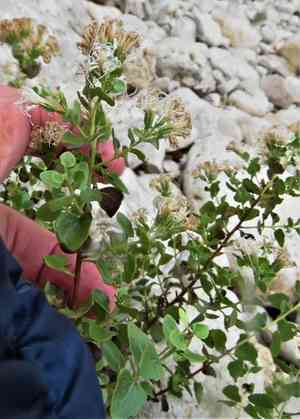
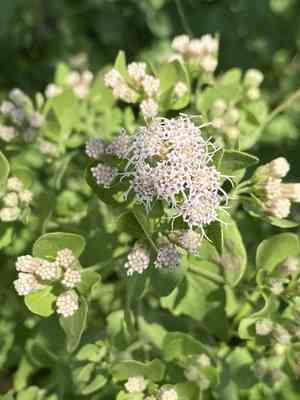
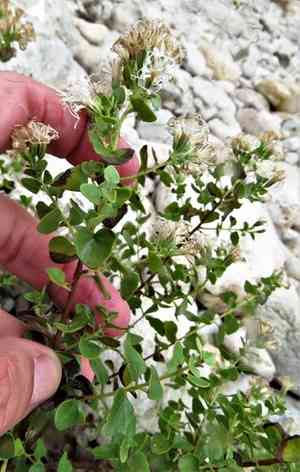
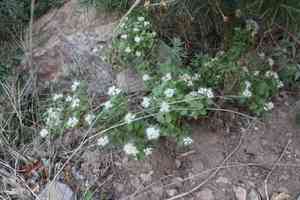
Ageratina wrightii can be identified by its small, white, fluffy flowers that appear in clusters. The leaves are opposite, triangular to ovate, and toothed. The plant typically has a woody base with herbaceous stems.
Scientific Classification of Wright's snakeroot
Phylum
Vascular plants
Class
Dicotyledons
Order
Asterales
Family
Daisy
Genus
Snakeroots
Species
Wright's snakeroot
Planting and Growing of Wright's snakeroot
Care Difficulty
Moderate
Watering Schedule
Every 2 days
Sunlight Requirements
Partial sun
Sunshine Duration
4-8 hours
Ideal Temperature
65-75℉
Soil Type
Potting Mix, Peat Mix
Soil pH
6.5-7.5
Fertilizer Type
Balanced
Pruning Season
Spring, Summer
Pruning Area
Branches, Leaves
Pruning Frequency
2 times a year
Repotting Season
Spring
Pot Type
Plastic, Ceramic
 How to Water Wright's snakeroot?
When watering Ageratina wrightii, ensure that the soil is soaked thoroughly, allowing the water to reach down to the roots. This plant prefers a deep watering approach, where 500 milliliters per session should reach sufficient depth. This method helps encourage deeper root growth and ensures the plant receives the moisture it needs without leaving excess water in its path.
What are the symptoms of an underwatered Wright's snakeroot?
›
What should I do if my Wright's snakeroot is not getting enough water?
›
What are the symptoms of an overwatered Wright's snakeroot?
›
How to save an overwatered Wright's snakeroot?
›
 What Are the Sunlight Requirements for Wright's snakeroot?
Partial sun to full sun exposure is optimal for Ageratina wrightii. Enjoys morning sun with afternoon shade provides the right balance for healthy growth and flowering.
Optimal Hours
›
Solution for Sunlight Needs
›
Benefits of Ideal Light
›
 What Is the Ideal Temperature Range for Wright's snakeroot?
Maintaining an ideal temperature range between 65°F and 75°F is critical for Ageratina wrightii because it promotes optimal growth and flowering. At these temperatures, the plant can efficiently perform photosynthesis and other metabolic processes. Deviating from this range can slow down its growth and reduce its resilience to diseases.
 What Soil is Best for Wright's snakeroot?
Ageratina wrightii thrives in well-draining soil to prevent waterlogging, which can lead to root rot. This type of soil ensures that the roots receive adequate oxygen and nutrients, promoting healthy growth and flowering. Incorporating organic matter into the soil can provide essential nutrients for Ageratina wrightii. This enrichment not only boosts plant health but also improves soil structure, allowing for better root development. While the soil needs to be well-draining, it should also be capable of retaining adequate moisture to prevent the plant from drying out. A balance of these properties supports consistent hydration and nutrient uptake.
 How to Fertilize Wright's snakeroot?
For Ageratina wrightii, applying fertilizer should be done judiciously. Use a balanced water-soluble fertilizer diluted to half-strength. Apply approximately 1 teaspoon per gallon of water when using the liquid fertilizer once every two weeks. For slow-release granules, use about 2-3 teaspoons per square foot annually, ideally in early spring and summer.
 How to Prune Wright's snakeroot?
Start by assessing the natural shape of Ageratina wrightii. Use sharp pruning shears to trim back any overly long stems that disrupt its form. Aim to maintain a rounded, bushy appearance to ensure even growth and optimal flower production. Always make cuts just above a leaf node to encourage new branching. Regularly remove spent flowers during its blooming season. This process, known as deadheading, encourages the plant to produce more blooms by redirecting energy from seed production back into flowering. Simply snip off the wilted flowerheads just above the first set of healthy leaves beneath them.
More About Pruning Techniques→
 How to Propagate Wright's snakeroot plant?
1
Harvest seeds from mature Ageratina wrightii plants in late autumn, ensuring they are fully ripe. Clean and dry seeds should be stored in a cool, dark place until planting.
2
Select healthy stems during the early summer for cuttings. Cut a 4-6 inch piece below a node and remove the lower leaves, leaving a few at the top to support photosynthesis.
3
Dip the cut end of your cutting in rooting hormone to enhance root development. Tap off any excess hormone powder to prevent over-application, which can harm the plant.
 How to Repot Wright's snakeroot plant?
1
Repot Ageratina wrightii in spring or autumn if you see roots protruding from drainage holes or the plant becomes top-heavy. These signs indicate that the plant needs more space to grow and thrive. Timely repotting ensures healthy growth and prevents root-binding issues.
2
Select a new pot that is one size larger than the current one. Ensure that it has drainage holes to prevent waterlogging, which can lead to root rot. A slightly larger pot provides the Ageratina wrightii with adequate space for root expansion while avoiding over-potting, which can retain excess moisture.
3
Opt for a well-draining potting mix to prevent water accumulation around the roots. Such soil provides good aeration, ensuring that roots receive the oxygen necessary for healthy growth. Additionally, it minimizes the risk of fungal infections and root diseases.
Learn More About Wright's snakeroot Diseases
Anthracnose
Bacterial Leaf Spot
Bacterial Wilt
Crown Gall
Cyst Nematode
Damping-off
Downy Mildew
Drought Stress
Fusarium Wilt
Gray Mold
Leaf Curl
Leaf Spot
Mosaic
Nutrient Deficiency
Nutrient Toxicity
Powdery Mildew
Root Rot
Root-knot Nematode
Rusts
Sooty Mold
Spider Mites
Temperature Stress
Thrips Damage
White Mold



