
Agaves (Agave) (Agave)
Also known as: Century Plant, Maguey
Agaves are ornamental plants perfectly suited for hot, dry climates and need minimal water. These plants feature rosettes of leaves and send up tall flower stalks. While they can take years to bloom and die after flowering, they typically produce offshoots at their base, ensuring the plant's continuation.
In This Article
Attributes of Agaves (Agave)
Lifespan
Perennial
Plant Height
1 m
Spread
1.5 m
Leaf Color
Green, blue-gray, sometimes variegated
Flower Size
Varies by species, typically large clusters of small flowers
Flower Color
Yellow, green, or white
Images of Agaves (Agave)
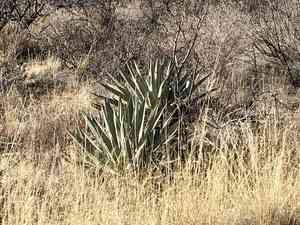
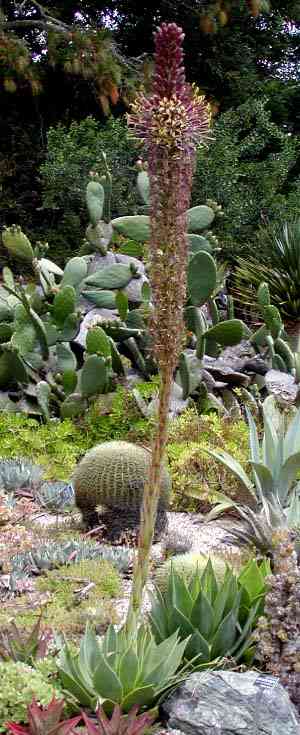
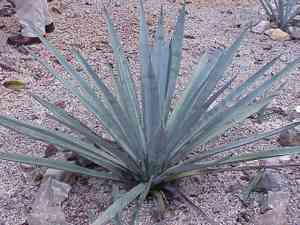
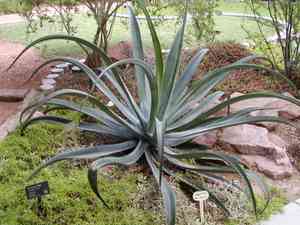
Quickly Identify Agaves (Agave)
1
Identify Agave by its large, thick, and fleshy leaves that often terminate in a sharp spine. The leaves usually form a rosette structure and can range in color from green to blue-gray.
Scientific Classification of Agaves (Agave)
Phylum
Angiosperms
Class
Monocots
Order
Asparagales
Family
Asparagaceae
Genus
Agave
Planting and Growing of Agaves (Agave)
Care Difficulty
Easy
Watering Schedule
Every 2 days
Sunlight Requirements
Full sun
Sunshine Duration
10-14 hours
Ideal Temperature
68-86℉
Soil Type
Potting Mix, Peat Mix
Soil pH
6.5-7.5
Fertilizer Type
Balanced
Pruning Season
Spring, Summer
Pruning Area
Branches, Leaves
Pruning Frequency
2 times a year
Repotting Season
Spring
Pot Type
Plastic, Ceramic
 How to Water Agaves (Agave)?
Agave plants require a modest amount of water. Aim for about 250 milliliters per watering session. The key principle is to water deeply but infrequently. Ensure the soil is thoroughly moistened, allowing all the water to reach the roots without soaking them for too long.
What are the symptoms of an underwatered Agaves (Agave)?
›
What should I do if my Agaves (Agave) is not getting enough water?
›
What are the symptoms of an overwatered Agaves (Agave)?
›
How to save an overwatered Agaves (Agave)?
›
 What Are the Sunlight Requirements for Agaves (Agave)?
Agave thrives best in full sun with six to eight hours of direct sunlight daily. This exposure ensures optimum photosynthetic activity and robust health, vital for its survival and aesthetic appeal.
Preferred Light Conditions
›
Solutions for Optimal Light
›
Benefits of Ideal Lighting
›
 What Is the Ideal Temperature Range for Agaves (Agave)?
For optimal growth, Agave plants thrive best in temperatures ranging between 68°F and 86°F. These warm conditions simulate the natural habitat of the plant, allowing it to maximize photosynthesis and growth. Maintaining consistent warmth encourages robust health and improves overall plant vitality.
 What Soil is Best for Agaves (Agave)?
Agave plants thrive in well-draining soil as it prevents water logging which can lead to root rot. The quick drainage is crucial for maintaining root health and ensuring the plant doesn't suffer from excessive moisture. While Agave is adapted to poor soils, some fertility can boost its growth. Ensuring the soil has enough organic matter can support healthy development, aiding robust leaf growth and a sturdy root system. Agave can tolerate a range of soil pH, from neutral to slightly alkaline, which aids in nutrient availability. This pH range ensures essential nutrients are readily accessible, supporting optimal plant health.
 How to Fertilize Agaves (Agave)?
For Agave plants, use a balanced liquid fertilizer diluted to half strength. Apply approximately 1/4 cup per plant during active growth.
 How to Prune Agaves (Agave)?
Look for dead, damaged, or yellowing leaves at the base of the plant. These leaves no longer contribute to the plant's health and should be removed to improve air circulation. Carefully cut the targeted leaves as close to the base as possible without damaging the main plant stem. Make sure your cuts are clean and even to facilitate faster healing. After pruning, check the plant for any signs of pests or disease. It is recommended to apply a mild fungicide on the pruned areas to prevent infection. Continue to monitor the plant and provide adequate sunlight and water.
 How to Propagate Agaves (Agave) plant?
1
Identify healthy offshoots that have grown sufficiently large and have their own roots. Gently remove any soil from around them for a clearer view, ensuring not to damage the roots.
2
Using a clean, sharp knife, cut the offshoot away from the main plant as closely as possible without harming the main plant's root system, then allow the cut to dry and callous over a few days.
3
Once the cut has calloused, plant the offshoot in a pot with well-draining soil. Water sparingly until new growth begins, indicating that the roots have established in the new pot.
 How to Repot Agaves (Agave) plant?
1
Agave should be repotted when you notice the roots beginning to outgrow the pot, evident through roots emerging from drainage holes. It's also time to repot if the soil has become depleted and compacted, inhibiting growth.
2
Select a pot that's marginally larger than the current one, with ample drainage holes. Agave prefers a snug fit, so look for a pot that just accommodates the expanded root mass. Good drainage is crucial to prevent root rot.
3
Utilize a well-draining soil mix suitable for cacti and succulents. This blend allows excess water to escape quickly, thus reducing the risk of root rot. Adding elements like sand or perlite can enhance drainage.
Toxicity
Ingestion, Dermal contact
WARNING
The judgment on toxicity and danger is for reference only. We DO NOT GUARANTEE any accuracy of such judgment. Therefore, you SHALL NOT rely on such judgment. It is IMPORTANT TO SEEK PROFESSIONAL ADVICE in advance when necessary.
Learn More About Agaves (Agave) Diseases
Anthracnose
Bacterial Leaf Spot
Bacterial Soft Rot
Chemical Injury
Crown Gall
Cyst Nematode
Drought Stress
Fusarium Wilt
Gray Mold
Leaf Spot
Mosaic
Nutrient Deficiency
Nutrient Toxicity
Powdery Mildew
Root Rot
Root-knot Nematode
Rusts
Sooty Mold
Spider Mites
Temperature Stress
Thrips Damage
White Mold

