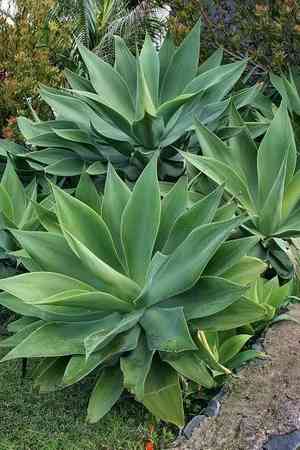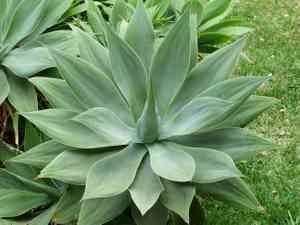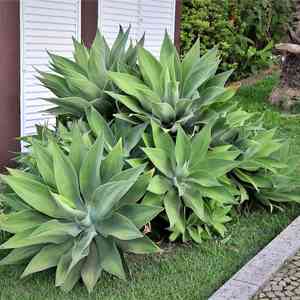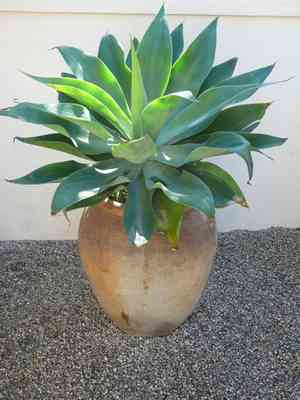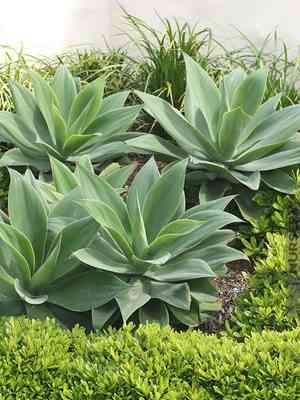
Foxtail agave(Agave attenuata)

Foxtail agave (Agave attenuata)

Also known as: Swan's neck, Dragon-tree agave

Foxtail agave (Agave attenuata) is an agave species originating from Jalisco, Mexico, and is widely admired in subtropical gardens. It flourishes in well-draining soil, such as sandy or rocky types, and thrives in full sun to partial shade. While it can handle brief cold snaps, it should be shielded from prolonged frost to prevent damage.

Attributes of Foxtail agave

Lifespan
Perennial
Plant Type
Succulent, Herb
Plant Height
50 cm to 1.5 m
Spread
1.8 m to 2.5 m
Leaf Color
Green Gray Silver
Flower Size
2.5 m to 3 m
Flower Color
Yellow Green White

PlantJoy - Identify plants with a snap

Identify and diagnose plants, get toxicity alerts, and explore safety guides for all types of fungi.

Try for Free

Images of Foxtail agave

Foxtail agave(Agave attenuata)

Quickly Identify Foxtail agave

1
Stout, curving stem reaching 4 feet (1.2 meters) in height.
2
Rosette of pliable, wide, pale green leaves spanning up to 4 feet (1.2 meters) across.
3
Leaves arch gracefully from a central point, resembling an open green flower.
4
Dramatic flower stalk reaching 5 to 10 feet (1.5 to 3 meters) with greenish-yellow flowers.
5
Produces seed pods and numerous tiny offsets.

Scientific Classification of Foxtail agave

Phylum
Vascular plants
Class
Monocotyledons
Order
Asparagales
Family
Asparagus
Genus
Agaves
Species
Foxtail agave

Planting and Growing of Foxtail agave

Care Difficulty
Easy
Watering Schedule
Every 2 days
Sunlight Requirements
Full sun
Sunshine Duration
4-6 hours
Ideal Temperature
65-75℉
Soil Type
Potting Mix, Peat Mix
Soil pH
6.5-7.5
Fertilizer Type
Balanced
Pruning Season
Spring, Summer
Pruning Area
Branches, Leaves
Pruning Frequency
2 times a year
Repotting Season
Spring
Pot Type
Plastic, Ceramic

water icon How to Water Foxtail agave?

When watering Agave attenuata, aim to provide about 250 milliliters of water each time. This quantity ensures the soil is moistened thoroughly without being waterlogged. Allow the water to soak in deeply and reach the root zone to encourage healthy growth. The goal is to water enough to penetrate the soil without letting it remain soggy, as excess moisture can cause root rot.
What are the symptoms of an underwatered Foxtail agave?
What should I do if my Foxtail agave is not getting enough water?
What are the symptoms of an overwatered Foxtail agave?
How to save an overwatered Foxtail agave?
More About Watering Techniques

sunlight icon What Are the Sunlight Requirements for Foxtail agave?

Sunlight Requirements: Full sun, Partial sun
Duration of light: 4-6 hours sunlight
This plant prefers full to partial sun, ideally thriving with 4-6 hours of sunlight, which encourages robust growth and vibrant foliage.
What is the best location for Agave attenuata?
How to ensure optimal sunlight exposure indoors?
What are the benefits of ideal sunlight exposure?
More About Sunlight Requirements Techniques

temperature icon What Is the Ideal Temperature Range for Foxtail agave?

Ideal Temperature: 65 ~ 75℉
The ideal temperature range for Agave attenuata is between 65°F and 75°F. This range allows for optimal growth and health, providing the conditions needed for the plant to perform photosynthesis effectively and maintain its metabolic functions. Agave attenuata, native to warmer climates, thrives in temperatures that mimic its natural habitat, ensuring that the plant remains vigorous and visually appealing.

soil icon What Soil is Best for Foxtail agave?

Soil type: Sandy soil, Loam, Calcareous soil
Soil PH: 6.5 ~ 7.5
Agave attenuata thrives in well-draining soil, which helps prevent water from pooling around the roots. This is crucial to avoid root rot, making the roots healthier and the plant more robust. The plant prefers loose soil texture, which allows for sufficient air circulation and root expansion. This supports the overall vitality and growth of Agave attenuata by enabling roots to access air and nutrients effectively. The species can tolerate nutrient-poor soil, reducing the need for frequent fertilization. This matches its natural habitat conditions, promoting authentic growth patterns and reducing maintenance effort. More About Soil

fertilize icon How to Fertilize Foxtail agave?

Fertilizer type: Balanced
Agave attenuata thrives on minimal fertilization, needing just a light feed. When using liquid fertilizer, dilute it to half the strength of what is recommended for houseplants. Use about 1/4 teaspoon per gallon of water for potted plants. For ground plants, sprinkle the fertilizer gently around the base, avoiding over-application.

prune icon How to Prune Foxtail agave?

Pruning Time: Spring, Summer
Before starting, gather a pair of sharp, sterilized pruning shears to avoid any infections. Remove any unwanted debris from around the base of the plant to clearly see the leaves that require pruning. You should also wear gloves for protection against the plant’s sap. Begin by identifying leaves that are brown, damaged, or dead. Make clean cuts close to the base without harming the healthy parts of the plant. Avoid over-pruning; remove only a few leaves at a time to maintain the plant’s balance and shape.

propagate icon How to Propagate Foxtail agave plant?

Propagate Time: Spring, Early summer
1
Choose a healthy mother Agave attenuata plant that is mature and free from diseases. Check the plant for suitable pups or offsets near the base, as these will serve as your new plants.
2
Using sterilized pruning shears, carefully cut the offsets or take leaf cuttings from the parent plant. Allow the offsets or cut surfaces to dry and callous over for a few days before planting to prevent rot.
3
Plant the calloused cuttings or offsets in a well-draining succulent mix. Water sparingly until roots establish, ensuring the soil remains slightly moist but not overly wet to avoid rot.
More About Propagating Techniques

repot icon How to Repot Foxtail agave plant?

Repotting frequency: Every 2-3 years
1
Signs that your Agave attenuata needs repotting include roots growing out of the drainage holes, slow growth, or a pot that dries out too quickly after watering. Ideally, repotting should be done during the active growing seasons, spring and summer, when the plant can recover more rapidly from transplant shock.
2
Select a pot that is only slightly larger—about one size up—than the current pot to prevent over-watering issues. Ensure the pot has adequate drainage holes. A ceramic or terracotta pot is ideal as it allows for better aeration, reducing the risk of root rot and providing stability for the plant's naturally top-heavy form.
3
Opt for a well-draining cactus or succulent soil mix, usually a blend of sandy, gritty material that mimics the plant’s native habitat. Good drainage is crucial to prevent waterlogging and root rot, common issues for Agave attenuata when planted in dense, moisture-retentive soil.
More About Repotting Techniques

PlantJoy - Identify plants with a snap

Find the best spots for them to optimize their health, simply using your phone.

Try for Free

Toxicity of Foxtail agave

Is Foxtail agave toxic to cat?

Foxtail agave exhibits a mild level of toxicity in cats. Although cases of poisoning are relatively rare, they primarily happen when a cat ingests significant quantities of this plant. The leaves and sap of foxtail agave contain harmful compounds that, when swallowed by felines, may result in general signs of physical distress. Cat owners should remain alert and deter their pets from consuming this plant. If there is any suspicion that a cat has ingested parts of the foxtail agave, it is essential to promptly seek veterinary care as a precautionary step to safeguard the pet's health and well-being.

Is Foxtail agave toxic to dog?

Foxtail agave presents a mild toxicity risk to dogs. Although the plant is not considered highly toxic, consuming it in large amounts can lead to poisoning. The areas of foxtail agave that raise particular concern are the leaves and the sap, which could result in harmful effects if ingested by dogs. Symptoms associated with foxtail agave poisoning can include gastrointestinal issues, such as vomiting or diarrhea. It is vital for dog owners to keep a close eye on their pets and prevent them from chewing on or consuming these parts of the plant. If a dog does happen to ingest foxtail agave, seeking immediate veterinary assistance is essential to ensure appropriate treatment and management of any resulting symptoms.

Identify toxic plants for your safety

Learn which plants are harmful to you and your pets, and make informed choices for a safer home!

Try for Free
WARNING
The judgment on toxicity and danger is for reference only. We DO NOT GUARANTEE any accuracy of such judgment. Therefore, you SHALL NOT rely on such judgment. It is IMPORTANT TO SEEK PROFESSIONAL ADVICE in advance when necessary.
More About Toxic Techniques