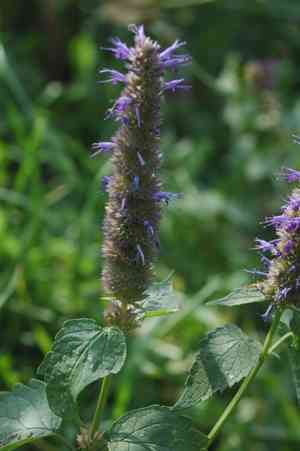
Indian mint (Agastache rugosa)
Also known as: Korean licorice mint, Wrinkled giant hyssop, Patchouli herb
Korean mint (*Agastache rugosa*) is a perennial flowering plant native to East Asia. Belonging to the mint family, this aromatic species features fragrant, attractive flowers that draw butterflies. Additionally, it is known for being deer-tolerant.
In This Article
Attributes of Indian mint
Lifespan
Perennial
Plant Type
Herb
Plant Height
50 cm to 1.5 m
Spread
45 cm to 60 cm
Leaf Color
Green
Flower Size
1.8 cm to 2.5 cm
Flower Color
Purple Violet
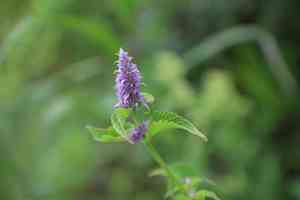
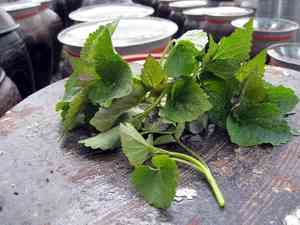
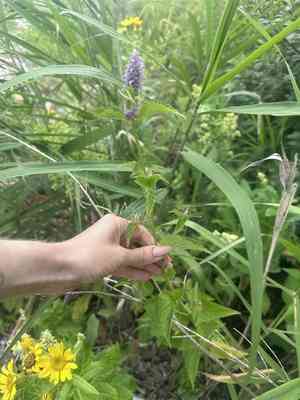
Images of Indian mint
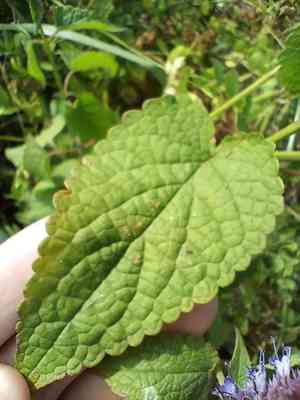
Quickly Identify Indian mint
1
Upright growth of 2-3 feet (60-90 cm).
2
Deep green, lance-shaped leaves with serrated edges.
3
Purple tubular flowers in whorled spikes with pleasant aroma.
4
Erect, square stems up to 3 feet (90 cm) tall.
5
Opposite, dentate leaves emitting licorice fragrance when crushed.
Scientific Classification of Indian mint
Phylum
Vascular plants
Class
Dicotyledons
Order
Mints plantains olives and allies
Family
Mint
Genus
Giant hyssops
Species
Indian mint
Planting and Growing of Indian mint
Care Difficulty
Easy
Watering Schedule
Every 4 days
Sunlight Requirements
Full sun
Sunshine Duration
4-6 hours
Ideal Temperature
65-75℉
Soil Type
Potting Mix, Peat Mix
Soil pH
6.5-7.5
Fertilizer Type
Balanced
Pruning Season
Spring, Summer
Pruning Area
Branches, Leaves
Pruning Frequency
2 times a year
Repotting Season
Spring
Pot Type
Ceramic, Plastic
 How to Water Indian mint?
Agastache rugosa prefers consistent moisture, so water it deeply with about 250 ml, aiming to keep the soil evenly moist but not waterlogged. Ensure good drainage to prevent standing water.
What are the symptoms of an underwatered Indian mint?
›
What should I do if my Indian mint is not getting enough water?
›
What are the symptoms of an overwatered Indian mint?
›
How to save an overwatered Indian mint?
›
 What Are the Sunlight Requirements for Indian mint?
Agastache rugosa ideally thrives in full sun to partial sun. Benefitting from 6 to 8 hours of light daily allows it to optimize energy for photosynthesis, resulting in vigorous growth and enhanced flowering performance.
More About Sunlight Requirements Techniques→
What type of light does Agastache rugosa prefer?
›
How can I achieve the ideal lighting for Agastache rugosa?
›
What benefits does ideal light bring to Agastache rugosa?
›
 What Is the Ideal Temperature Range for Indian mint?
Agastache rugosa thrives best in temperatures ranging from 65°F to 75°F. This range supports optimal growth by promoting healthy photosynthesis and nutrient uptake. The plant performs aptly during warm seasons, and its metabolic processes are most efficient when kept in this ideal temperature window.
 What Soil is Best for Indian mint?
Agastache rugosa thrives best in well-draining soil which prevents waterlogging. This is crucial as stagnant water can lead to root rot and adversely affect the plant’s health. This plant benefits from nutrient-rich soil that supports vigorous growth and vibrant blooms. A fertile soil provides essential nutrients that are pivotal for the plant's longevity and resilience. While it loves well-drained conditions, Agastache rugosa also requires soil that retains adequate moisture to prevent drying out. This balance helps in maintaining optimal growth and reduces stress on the plant.
 How to Fertilize Indian mint?
Agastache rugosa, commonly known as Korean Mint, benefits from a balanced approach to fertilization. Use a liquid fertilizer with an NPK ratio of 10-10-10 diluted at half the recommended strength. Apply about 500 ml per plant, ensuring not to oversaturate the soil.
 How to Prune Indian mint?
Begin pruning your Agastache rugosa in early spring once the danger of frost has passed. Use sharp, clean pruning shears to cut back any dead or damaged stems to encourage new growth. Throughout the growing season, regularly deadhead spent blooms to encourage more flower production and to keep the plant looking tidy. If the plant becomes leggy or overgrown, do a light trim to maintain its shape, cutting the stems back by one-third. To shape your Agastache rugosa, selectively prune stems that are disrupting the desired shape of the plant. Choose stems that are too long or are crossing over others and make your cuts above a leaf node to encourage side shoots. This will maintain a compact and aesthetically pleasing form while promoting a more robust display of foliage and flowers.
More About Pruning Techniques→
 How to Propagate Indian mint plant?
1
To propagate Agastache rugosa from seeds, begin by collecting mature seeds from existing plants. Prepare seed trays with a light mix of soil, ensuring that the seeds are sown thinly to allow space for germination.
2
For cutting propagation, select young, healthy shoots with no flowers. Cut them just below a node, remove the lower leaves, and dip the cut end in rooting hormone to encourage root development.
3
When plants are large enough, they can be divided. Gently remove the plant from its pot and separate root masses into smaller sections, ensuring that each section has a portion of the root system intact.
 How to Repot Indian mint plant?
1
It's time to repot Agastache rugosa when you notice roots growing out of the drainage holes, or the plant seems overly dry despite regular watering. These are signs that the plant has outgrown its current pot and needs more space to thrive.
2
Choose a pot that is 2-3 inches larger in diameter than the current one to allow for root expansion. Ensure the pot has adequate drainage holes to prevent waterlogging, which can cause root rot. A terracotta pot can provide breathability and balance moisture levels effectively.
3
Opt for a well-draining, fertile soil mix rich in organic matter. This type of soil aids in maintaining proper moisture balance, promotes root health, and provides essential nutrients for robust growth. A quality potting mix with added perlite or bark is ideal for Agastache rugosa.



