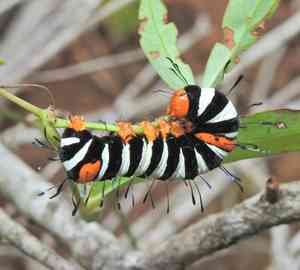
Agarista (Agarista) (Agarista)
Also known as: Heath, Ericaceae
Agarista is a genus of flowering plants in the family Ericaceae. Members of this genus are predominantly shrubs and small trees, known for their ornamental value and attractive foliage.
In This Article
Attributes of Agarista (Agarista)
Lifespan
Perennial
Plant Height
1 to 3 meters
Spread
1 to 2 meters
Leaf Color
Green
Flower Size
0.5 to 1 centimeter
Flower Color
White, cream
Images of Agarista (Agarista)
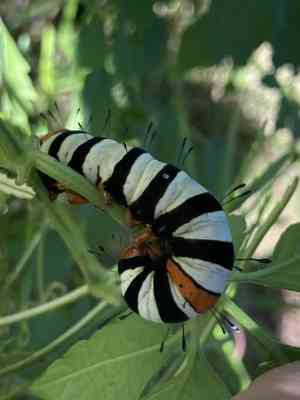
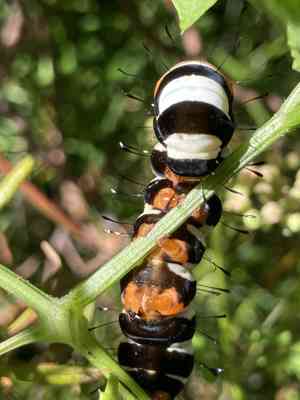
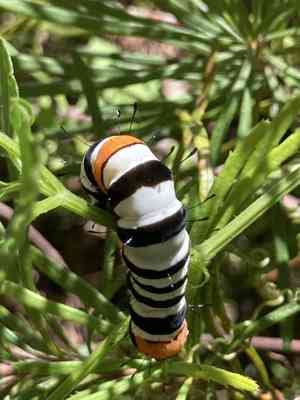
Quickly Identify Agarista (Agarista)
1
Agarista plants can be identified by their alternate, simple leaves that are often evergreen. The flowers are typically bell-shaped and found in clusters. They may also have a distinctive shrub-like appearance.
Scientific Classification of Agarista (Agarista)
Phylum
Magnoliophyta
Class
Magnoliopsida
Order
Ericales
Family
Ericaceae
Genus
Agarista
Planting and Growing of Agarista (Agarista)
Care Difficulty
Moderate
Watering Schedule
Every 2 days
Sunlight Requirements
Partial sun
Sunshine Duration
4-6 hours
Ideal Temperature
65-75℉
Soil Type
Potting Mix, Peat Mix
Soil pH
4.5-6
Fertilizer Type
Balanced
Pruning Season
Spring, Summer
Pruning Area
Branches, Leaves
Pruning Frequency
2 times a year
Repotting Season
Spring
Pot Type
Plastic, Ceramic
 How to Water Agarista (Agarista)?
Agarista needs approximately 500 ml of water per session. The goal is to moisten the soil evenly, ensuring it's damp but never soggy. The top inch should feel moist to the touch; if water pools, reduce the quantity.
What are the symptoms of an underwatered Agarista (Agarista)?
›
What should I do if my Agarista (Agarista) is not getting enough water?
›
What are the symptoms of an overwatered Agarista (Agarista)?
›
How to save an overwatered Agarista (Agarista)?
›
 What Are the Sunlight Requirements for Agarista (Agarista)?
Agarista flourishes in partial sun conditions, ideally enjoying moderate morning light. These conditions support its growth cycle, promoting rich foliage and ensuring optimal health and vibrancy.
What type of light does Agarista prefer?
›
How can you provide ideal lighting for Agarista?
›
What are the benefits of ideal lighting for Agarista?
›
 What Is the Ideal Temperature Range for Agarista (Agarista)?
For optimal growth, Agarista thrives best in environments where the temperature is consistently between 65°F and 75°F. This range provides a balance that supports key physiological processes such as photosynthesis, respiration, and transpiration. Avoiding temperature spikes or dips within this range ensures the plant can allocate resources efficiently, promoting robust growth and development. Sustaining this ideal temperature helps in maintaining healthy foliage and encourages vibrant offspring of flowering varieties.
 What Soil is Best for Agarista (Agarista)?
Agarista thrives in well-drained soil, preventing waterlogging that can lead to root rot. Ensuring good drainage allows roots to access oxygen, promoting robust growth and vibrant foliage. The soil should retain moisture but not stay soggy, providing consistent hydration without drowning the plant. This balance supports steady growth and helps the plant withstand short dry spells. Agarista benefits greatly from soil rich in organic matter, which enhances nutrient availability. It supports a thriving root system, contributing to overall plant health and vigorous growth.
 How to Fertilize Agarista (Agarista)?
For Agaista, apply liquid fertilizers at a dilution rate of 1 teaspoon per gallon of water, ensuring even distribution across the soil to provide balanced nutrients without overwhelming the roots.
 How to Prune Agarista (Agarista)?
Begin pruning before vigorous new growth in the spring or as growth begins to slow in summer. Cut back overly long or dead branches to a node for clean regrowth. Always make cuts at an angle to promote water runoff and prevent rot. Remove any dead, diseased, or damaged branches to keep the plant healthy. Thinning out dense areas will also improve air circulation, reducing the risk of mold or pest infestations.
 How to Propagate Agarista (Agarista) plant?
1
Begin by selecting healthy seeds from a mature Agarista plant. Soak them overnight in water to improve germination rates, and then sow the seeds in a well-draining seed tray filled with seed-starting mix.
2
Choose healthy stems and cut them into 6-inch segments. Remove the leaves from the bottom half of the cutting, and dip the cut end into rooting hormone to promote root development.
3
Select a low-growing branch still attached to the parent plant. Bend it gently to the ground and cover a portion of the stem with soil to encourage rooting at that point.
 How to Repot Agarista (Agarista) plant?
1
The best time to repot Agarista is during early spring or late autumn. Signs that your plant needs repotting include roots growing out of the drainage holes, water takes too long to drain, or the plant seems too big for its container. These indicate it's time for a new, spacious home.
2
Select a pot that is about 2 inches larger in diameter than the current one. This gives the roots enough space to expand without overwhelming them with too much soil, which can retain excess moisture. A pot with drainage holes is crucial to prevent waterlogging and root rot, ensuring the plant's health.
3
Choose a soil mixture that is acidic and well-draining, such as a blend of peat moss, perlite, and pine bark. This simulates the natural habitat of Agarista and prevents root rot by allowing adequate airflow and drainage. The acidic nature supports healthy growth and vibrant foliage.
Toxicity
Ingestion
WARNING
The judgment on toxicity and danger is for reference only. We DO NOT GUARANTEE any accuracy of such judgment. Therefore, you SHALL NOT rely on such judgment. It is IMPORTANT TO SEEK PROFESSIONAL ADVICE in advance when necessary.
Learn More About Agarista (Agarista) Diseases
Anthracnose
Bacterial Leaf Spot
Bacterial Wilt
Crown Gall
Damping-off
Downy Mildew
Drought Stress
Fusarium Wilt
Gray Mold
Leaf Curl
Leaf Spot
Mosaic
Nutrient Deficiency
Nutrient Toxicity
Powdery Mildew
Root Rot
Root-knot Nematode
Rusts
Sooty Mold
Spider Mites
Temperature Stress
Thrips Damage
White Mold

