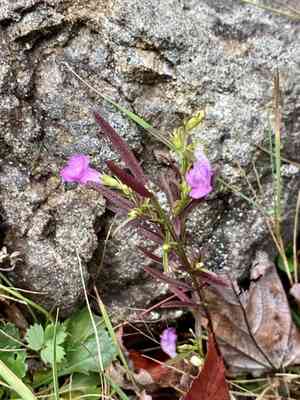
Middleton false foxglove (Agalinis neoscotica)
Also known as: New Scotland False Foxglove
Middleton false foxglove (Agalinis skinneriana) is an annual plant characterized by its slender form and narrow, opposite leaves. It produces striking pink to purple tubular flowers with yellow accents inside, typically blooming from late summer through early fall. This plant is commonly found in prairies, open woodlands, and savannas, preferring well-drained, sandy, or rocky soils. It flourishes in full sun to partial shade and is well-adapted to dry conditions. Notably, Middleton false foxglove serves as an important nectar source for pollinators.
In This Article
Attributes of Middleton false foxglove
Lifespan
Annual
Plant Type
Herb
Plant Height
91 cm to 1.8 m
Spread
N/A (Herbaceous plant)
Leaf Color
Green
Flower Size
1 to 2 cm (0.39 to 0.79 inches)
Flower Color
Purple Pink
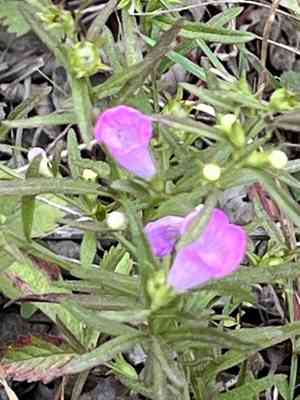
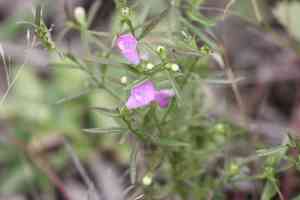
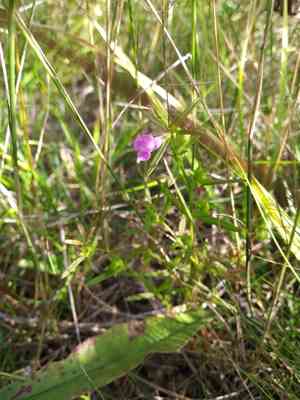
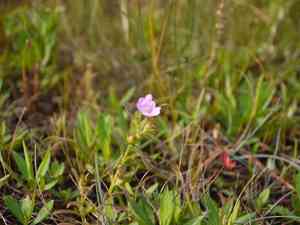
Images of Middleton false foxglove
Quickly Identify Middleton false foxglove
1
This plant can be identified by its slender stems, narrow leaves, and tubular, bilaterally symmetrical flowers. The flowers usually have a yellow patch on the lower lip, and the plant often grows in clusters.
Scientific Classification of Middleton false foxglove
Phylum
Vascular plants
Class
Dicotyledons
Order
Lamiales
Family
Broomrape
Genus
False foxgloves
Species
Middleton false foxglove
Planting and Growing of Middleton false foxglove
Care Difficulty
Hard
Watering Schedule
Every 3 days
Sunlight Requirements
Full sun
Sunshine Duration
4-8 hours
Ideal Temperature
65-75℉
Soil Type
Potting Mix, Peat Mix
Soil pH
6.5-7.5
Fertilizer Type
Balanced
Pruning Season
Spring, Summer
Pruning Area
Branches, Leaves
Pruning Frequency
2 times a year
Repotting Season
Spring
Pot Type
Plastic, Ceramic
 How to Water Middleton false foxglove?
Agalinis neoscotica thrives when watered moderately. Provide about 250 milliliters at each watering session, ensuring that the soil is evenly moist but not waterlogged. You should aim to see the top inch of soil become damp, yet avoid any standing water.
What are the symptoms of an underwatered Middleton false foxglove?
›
What should I do if my Middleton false foxglove is not getting enough water?
›
What are the symptoms of an overwatered Middleton false foxglove?
›
How to save an overwatered Middleton false foxglove?
›
 What Are the Sunlight Requirements for Middleton false foxglove?
Agalinis neoscotica ideally needs full to partial sun, translating to about 4-6 hours of light daily. Correct lighting ensures healthier growth, promoting vibrant flowering and fostering a resilient structure against pests and diseases.
Suitable Sunlight Exposure
›
Solution for Optimal Light
›
Benefits of Ideal Lighting
›
 What Is the Ideal Temperature Range for Middleton false foxglove?
Agalinis neoscotica thrives in moderate temperature conditions ideally between 65°F and 75°F. This range allows the plant's metabolic processes to operate efficiently, promoting robust growth and vibrant blooms. Maintaining this temperature range ensures that the plant's photosynthetic efficiency is maximized, leading to healthy leaf and flower development.
 What Soil is Best for Middleton false foxglove?
Agalinis neoscotica thrives best in well-drained soil, which prevents waterlogging and root rot. This condition ensures healthy root development and optimal nutrient uptake, facilitating robust growth. This plant doesn't require overly rich soil but does appreciate moderate fertility. This level maintains balance in nutrient availability, preventing deficiencies without promoting excessive growth that weakens the plant structure. Good soil aeration is vital for Agalinis neoscotica, as it ensures oxygen reaches the roots. Proper aeration aids in the breakdown of organic matter, which enhances nutrient availability and supports vibrant plant health.
 How to Fertilize Middleton false foxglove?
For Agalinis neoscotica, maintain a moderate fertilization routine. Use approximately 1/4 cup of liquid fertilizer diluted in a gallon of water per plant, ensuring not to exceed this quantity as it promotes optimum growth without overwhelming the plant with nutrients.
 How to Prune Middleton false foxglove?
Start by identifying dead or diseased stems and remove them first. Next, look for any crossing branches that can rub against each other, causing wounds. Trim these branches to maintain a clean and open structure. Finally, shape the plant by cutting back any stems that have grown too long or unevenly, ensuring an overall balanced appearance.
More About Pruning Techniques→
 How to Propagate Middleton false foxglove plant?
1
Fill the seed tray with a fine-textured, seed-starting mix, ensuring the soil is loose and well-draining. Lightly moisten the mix with a spray bottle, avoiding saturation.
2
Scatter the seeds evenly over the surface of the soil in the seed tray, pressing them gently into place without covering them completely, as some plants require light for germination.
3
Place the seed tray in a well-lit area, ensuring it receives indirect sunlight. Maintain the soil's moisture with regular misting, keeping it damp but not waterlogged.
 How to Repot Middleton false foxglove plant?
1
Look for signs that your Agalinis neoscotica needs repotting, such as roots circling the bottom of the pot or stunted growth. The best time to repot is during its active growing seasons in spring or summer, when it can recover quickly from any root disturbance.
2
Select a pot that is only one size larger than the current one to prevent excessive moisture retention. This ensures the plant has enough space to grow without the soil staying too wet, which could lead to root rot.
3
Opt for a sandy, well-draining mix tailored for Agalinis neoscotica's needs. This type of soil promotes proper drainage, preventing waterlogged conditions and maintains a balanced moisture level, crucial for this plant.
Learn More About Middleton false foxglove Diseases
Anthracnose
Bacterial Leaf Spot
Bacterial Wilt
Crown Gall
Cyst Nematode
Damping-off
Downy Mildew
Drought Stress
Fusarium Wilt
Gray Mold
Leaf Spot
Mosaic
Nutrient Deficiency
Nutrient Toxicity
Powdery Mildew
Root Rot
Root-knot Nematode
Rusts
Sooty Mold
Spider Mites
Temperature Stress
Thrips Damage
White Mold



