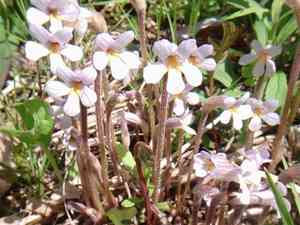
Plateau false foxglove (Agalinis edwardsiana)
Also known as: Plateau agalinis
The plateau false foxglove is a charming flowering plant known for its soft pink or purple, trumpet-shaped blooms. It flourishes in well-drained, sandy or rocky soils, commonly found in open prairies and woodlands. With its slender stems and delicate leaves, this plant is well-adapted to breezy environments, attracting various pollinators. Its seasonal presence and specific habitat contribute to its distinctive allure.
In This Article
Attributes of Plateau false foxglove
Lifespan
Annual
Plant Type
Herb
Plant Height
30 cm to 91 cm
Spread
Not applicable
Leaf Color
Green
Flower Size
1-2 cm
Flower Color
Pink to purple
Images of Plateau false foxglove
Quickly Identify Plateau false foxglove
1
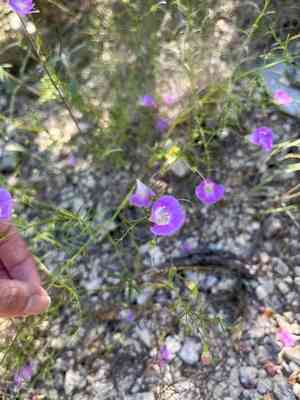
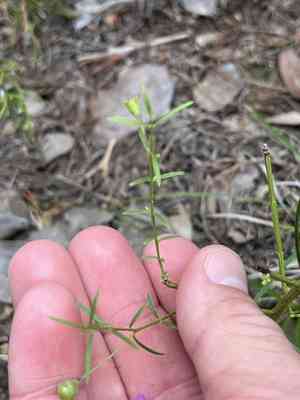
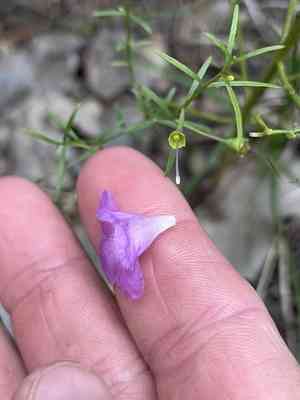
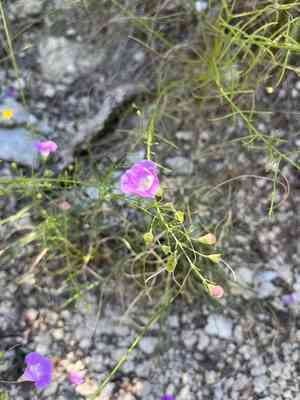
Agalinis edwardsiana can be identified by its slender, erect stems which can grow up to 60 cm tall. The plant has opposite, linear leaves and tubular, five-lobed flowers that are pink to purple in color. The flowers have yellowish markings and are usually about 1-2 cm in diameter.
Scientific Classification of Plateau false foxglove
Phylum
Vascular plants
Class
Dicotyledons
Order
Lamiales
Family
Broomrape
Genus
False foxgloves
Species
Plateau false foxglove
Planting and Growing of Plateau false foxglove
Care Difficulty
Hard
Watering Schedule
Every 3 days
Sunlight Requirements
Full sun
Sunshine Duration
6-10 hours
Ideal Temperature
60-75℉
Soil Type
Potting Mix, Peat Mix
Soil pH
6-7
Fertilizer Type
Balanced
Pruning Season
Spring, Summer
Pruning Area
Branches, Leaves
Pruning Frequency
2 times a year
Repotting Season
Spring
Pot Type
Plastic, Ceramic
 How to Water Plateau false foxglove?
Agalinis edwardsiana requires moderate watering, which means about 250 milliliters per session. The key to this is ensuring that the soil is consistently moist but not overly saturated. You should water until the soil is damp to the touch and appears dark from moisture, but avoid letting water stand in the saucer beneath the pot.
What are the symptoms of an underwatered Plateau false foxglove?
›
What should I do if my Plateau false foxglove is not getting enough water?
›
What are the symptoms of an overwatered Plateau false foxglove?
›
How to save an overwatered Plateau false foxglove?
›
 What Are the Sunlight Requirements for Plateau false foxglove?
The ideal light range for Agalinis edwardsiana is full to partial sun. Access to this light range ensures the plant realizes its full flowering capabilities, maintains deep leaf coloration, and sustains vitality.
How much sunlight does Agalinis edwardsiana need?
›
What are the challenges if the plant does not get enough light?
›
What benefits does ideal sunlight provide to Agalinis edwardsiana?
›
 What Is the Ideal Temperature Range for Plateau false foxglove?
Agalinis edwardsiana thrives best in temperatures ranging from 60°F to 75°F. This range provides the optimal conditions for photosynthesis and metabolic activities. Maintaining this temperature ensures the plant's growth and vitality, promoting healthy development of flowers and seeds.
 What Soil is Best for Plateau false foxglove?
Agalinis edwardsiana thrives in well-drained soils, which prevent root rot and maintain healthy root systems. Proper drainage allows for regular oxygen flow, which is crucial for root function and overall plant vigor. This plant requires a moderately nutrient-rich soil to support its unique growth structure and flowering potential. A balanced supply of nutrients enhances blooming and ensures vibrant colors in its blooms. With a preference for slightly acidic soils, maintaining a pH around 6.0-7.0 supports nutrient solubility and uptake, which are essential for optimal development and resistance to diseases.
 How to Fertilize Plateau false foxglove?
Agalinis edwardsiana, known for its delicate structure, requires a balanced approach to fertilization. Use a diluted liquid fertilizer mix in a ratio of 1:3 every two weeks. This ensures the plant receives necessary nutrients without overwhelming its system.
 How to Prune Plateau false foxglove?
Never remove more than a third of the plant at once, as over-pruning can stress the Agalinis edwardsiana, affecting its growth. Gradual pruning is key to maintaining plant health and encouraging robust flowering. Always sanitize pruning tools before and after use to prevent the spread of disease. Use a bleach solution or alcohol wipes on the blades to keep your Agalinis edwardsiana healthy and free from infections.
More About Pruning Techniques→
 How to Propagate Plateau false foxglove plant?
1
Begin by filling the seed tray with the chosen planting medium. Ensure it is moistened adequately but not soggy to provide the right environment for seed germination.
2
Scatter the Agalinis edwardsiana seeds evenly over the surface of the medium. Lightly press them into the soil as they require some light for optimal germination.
3
Cover the seed tray with a clear lid or plastic wrap to maintain humidity. Place it in a warm, well-lit area and ensure the medium stays evenly moist.
 How to Repot Plateau false foxglove plant?
1
Agalinis edwardsiana signals its need for repotting when you notice roots protruding from the drainage holes, slow growth despite proper care, or if the plant wilts shortly after watering. These signs indicate the plant has outgrown its current pot and would benefit from a fresh start in a new space.
2
Select a pot that's only slightly larger than the existing one, preferably with good drainage holes. This ensures there’s enough room for root growth but prevents water from being trapped at the base, which can lead to root rot. A pot made from porous material like terracotta can also aid in maintaining proper soil moisture levels.
3
Opt for a well-draining sandy soil mix, which is ideal for Agalinis edwardsiana. Such a mix prevents waterlogging while providing the necessary nutrients and structure for root support. Proper drainage helps mimic the plant’s natural habitat, thus promoting healthy growth and reducing the risks of diseases associated with overwatering.



