Yellowwood (Afrocarpus)(Afrocarpus)

Yellowwood (Afrocarpus) (Afrocarpus)

Also known as: Yellowwood

Yellowwood trees play a significant role in various industries due to their unique characteristics:

1. **Woodworking and Furniture**: The dense, durable wood of yellowwood is highly sought after for crafting fine furniture, cabinetry, and decorative woodwork.
2. **Ornamental Landscaping**: These trees are favored in landscaping for their aesthetic appeal, featuring attractive foliage and fragrant, showy flowers.
3. **Natural Dye Source**: Historically, the yellow heartwood has been a source of natural dyes.
4. **Pharmaceutical Research**: Certain species have been studied for potential medicinal benefits.
5. **Ecological Projects**: Yellowwood trees are utilized in reforestation and conservation efforts for their ecological value.

These applications underscore the yellowwood tree's versatility and importance across different fields.

Attributes of Yellowwood (Afrocarpus)

Lifespan
Perennial
Plant Height
10-60 meters
Spread
8-20 meters
Leaf Color
Dark green
Flower Size
N/A (Coniferous trees typically do not have flowers)
Flower Color
N/A

ForwardPlant - Identify plants with a snap

Identify and diagnose plants, get toxicity alerts, and explore safety guides for all types of fungi.

Try for Free

Images of Yellowwood (Afrocarpus)

Yellowwood (Afrocarpus)(Afrocarpus)

Quickly Identify Yellowwood (Afrocarpus)

1
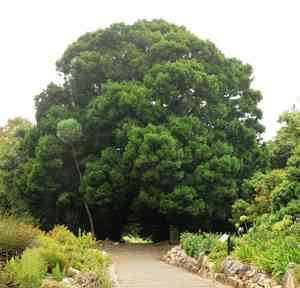
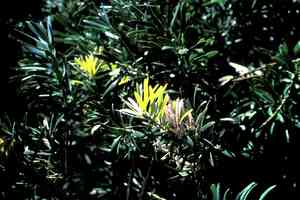
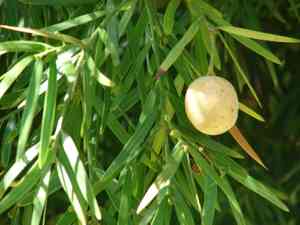
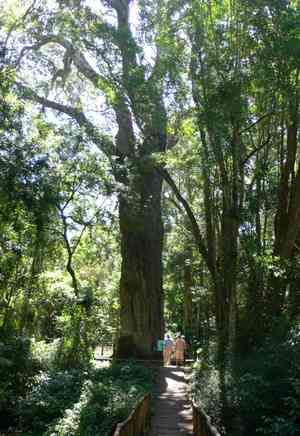
Afrocarpus species can be identified by their needle-like leaves which are usually arranged spirally or in two rows. The trees produce small, fleshy fruits with a single seed inside. The bark is typically rough and can vary in color from brown to gray.

Scientific Classification of Yellowwood (Afrocarpus)

Phylum
Coniferophyta
Class
Pinopsida
Order
Pinales
Family
Podocarpaceae
Genus
Afrocarpus

Planting and Growing of Yellowwood (Afrocarpus)

Care Difficulty
Moderate
Watering Schedule
Every 2 days
Sunlight Requirements
Partial sun
Sunshine Duration
6-12 hours
Ideal Temperature
50-77℉
Soil Type
Potting Mix, Peat Mix
Soil pH
6.5-7.5
Fertilizer Type
Balanced
Pruning Season
Spring, Summer
Pruning Area
Branches, Leaves
Pruning Frequency
2 times a year
Repotting Season
Spring
Pot Type
Plastic, Terracotta

water icon How to Water Yellowwood (Afrocarpus)?

Afrocarpus prefers its soil to be kept evenly moist, but not waterlogged. When watering, ensure that the soil is damp to a depth of about an inch. Use approximately 500 ml of water, and let any excess water drain out completely. This ensures that the roots receive enough moisture without sitting in excess water, which can lead to root rot.
What are the symptoms of an underwatered Yellowwood (Afrocarpus)?
What should I do if my Yellowwood (Afrocarpus) is not getting enough water?
What are the symptoms of an overwatered Yellowwood (Afrocarpus)?
How to save an overwatered Yellowwood (Afrocarpus)?

sunlight icon What Are the Sunlight Requirements for Yellowwood (Afrocarpus)?

Sunlight Requirements: Partial sun
Duration of light: 4-6 hours
Afrocarpus prefers partial sun exposure, optimizing photosynthesis and growth. This balance of light prevents overheating and supports lush, healthy foliage.
What is the best light condition for Afrocarpus?
How to achieve ideal light for Afrocarpus?
What are the benefits of ideal light for Afrocarpus?

temperature icon What Is the Ideal Temperature Range for Yellowwood (Afrocarpus)?

Ideal Temperature: 50 ~ 77℉
Afrocarpus thrives best in a temperature range of 50°F to 77°F. This range ensures optimal growth conditions, enabling the plant to photosynthesize efficiently and maintain strong metabolic functions. It is crucial that the environment remains relatively stable within this range to avoid stress that could stunt growth or damage the plant.

soil icon What Soil is Best for Yellowwood (Afrocarpus)?

Soil type: Loam, Sandy loam
Soil PH: 6.5 ~ 7.5
Afrocarpus thrives in well-drained soil to prevent root rot. Ensure your soil mixture includes components like sand, which enhances drainage and maintains aeration around the root system, improving plant health. Healthy growth demands a nutrient-rich soil blend. Organic matter such as compost enriches the soil, providing essential nutrients and maintaining optimal growth rate and vibrant foliage. The soil should retain enough moisture without becoming waterlogged. Sandy loam strikes a balance between retaining moisture essential for roots and draining excess water, ensuring consistent hydration.

fertilize icon How to Fertilize Yellowwood (Afrocarpus)?

Fertilizer type: Balanced
For Afrocarpus, a balanced approach to fertilization is crucial. This species requires moderate fertilization to thrive, typically using a 10-10-10 NPK formula. Apply liquid fertilizer diluted to half strength at least twice a month. For solid fertilizer, apply granules around the base of the plant and avoid contact with foliage to prevent burning.

prune icon How to Prune Yellowwood (Afrocarpus)?

Pruning Time: Spring, Summer
Begin pruning by removing any dead or diseased branches to prevent future health issues. Cut back to healthy wood, ensuring clean cuts. This promotes vigor and prevents unnecessary energy consumption by the plant. It is best to prune during the morning hours when the temperature is cooler and the plant is less stressed. This ensures quicker healing and reduces the chance of disease as the wounds dry more efficiently during daylight hours.

propagate icon How to Propagate Yellowwood (Afrocarpus) plant?

Propagate Time: Spring,Summer
1
Start by collecting mature seeds from an established Afrocarpus tree. Clean them thoroughly and let them dry completely before sowing. This ensures that any pulp or residue is removed, preventing mold growth during germination.
2
Choose healthy, young stems and use pruning shears to cut 4-6 inch long sections just below a node. Remove lower leaves to prevent rot when inserted into the soil or propagation medium.
3
Select compatible rootstock and scion material. Ensure both are of similar thickness. Make a clean diagonal cut on both and join them, securing tightly with grafting tape to allow proper bonding and growth.

repot icon How to Repot Yellowwood (Afrocarpus) plant?

Repotting frequency: every 2-3 years
1
Afrocarpus exhibits signs of needing a new pot when its roots start outgrowing the current container, or when the plant becomes top-heavy and tips over easily. Another indication is slow growth even during the growing season, suggesting the roots lack space to expand and access nutrients.
2
Select a pot one size larger than the current one, ideally made of terracotta or ceramic which ensures breathability, allowing moisture and air to move through the soil efficiently. This helps prevent root rot and ensures the plant's roots get the oxygen they need.
3
Use a well-draining potting mix specifically formulated for conifers. This kind of soil minimizes the risk of waterlogging while providing the right balance of moisture and nutrients – critical for healthy Afrocarpus growth. The right soil also promotes advantageous microbial life, benefiting root health.

ForwardPlant - Identify plants with a snap

Find the best spots for them to optimize their health, simply using your phone.

Try for Free